Blog
Cat Spay Incision Explained: Tips, Facts, and Vet-Insights”

Spaying is a procedure that is carried out on female cats and offers several advantages from a physical and psychological perspective. Nonetheless, a lot of owners worry when observing their felines recover from surgery, particularly concerning the incision. It is very important for pet parents to know how a cat spay incision looks like because proper aftercare will play a decisive role in the process. Though most felines recover without any problems, having information about the signs that point at a complication can be extremely helpful.
What Is a Cat Spay Incision?
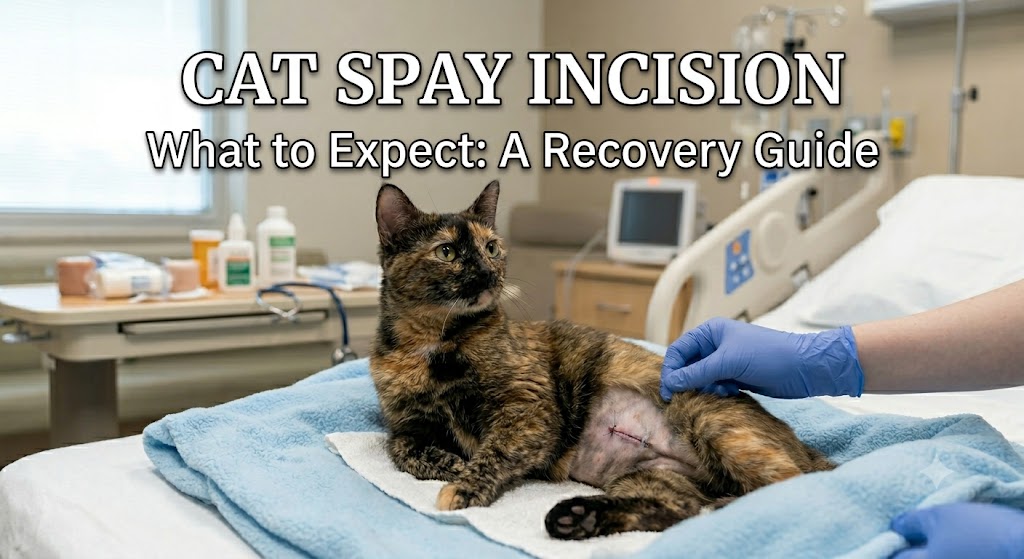
Spay incision refers to a wound made by the veterinarian in order to remove the cat’s reproductive organs. The incision is made on the abdominal part of the body and closed up through the use of stitches, surgical glue, or even staples. Modern veterinarians take great care in minimizing the damage to the cat’s tissues while carrying out the procedure. Therefore, the recovery period will generally be short for a feline patient.
Cat Spay Incision Operation Understanding
First, cats undergoing this operation are put under anesthesia before the start of the procedure. Doctors create an incision in the abdominal region to get access to the internal organs. As soon as ovaries and uterus are excised, the wound undergoes multiple closures, both external and internal. In addition, different sutures are used to enhance the process of the wounds’ closing.
Why Spaying Is So Important to Cats
There is no doubt that cat spaying can provide various benefits for your feline pet, and not only because of the absence of future litters. This surgical method also ensures the reduction of uterine infections and even some types of cancer in the long run. Moreover, cats that have been spayed do not exhibit behavior related to heat periods.
Types of Spaying Surgery Cuts
The process may differ according to the age, condition, and other features of the cat being operated on. The most common technique includes a cut along the midline of the abdomen. In some cases, veterinarians may make flank cuts, which are made in the sides of the body. Nevertheless, no matter what techniques are used, the main idea is always the same: to remove the reproductive organs and ensure recovery.
Size of a Typical Spay Cut
Modern surgery allows performing operations in the smallest possible incisions. Nowadays, most spays are performed with the help of cuts which are a few centimeters long. Of course, their actual size depends on certain conditions, such as the age or pregnancy of the animal. Smaller cuts mean less pain, less swelling, and faster recovery.
How a Healthy Incision Looks
A healthy incision is generally clean, dry, and properly closed. Minor redness and swelling may be observed during the initial days after surgery. The skin around the wound is supposed to become better over time, not worse. Observations should be made on a regular basis but without undue manipulation of the site. Knowledge about how a healthy incision looks can help determine when there is something wrong that needs professional attention.
Healing Stages of a Cat Spay Incision
Observation of the healing stages of a cat spay incision is very useful in keeping track of the healing process. In the first few days, the wound may have some swelling and redness. After a week, tissues will be working on their repair and the inflammation will subside. Two weeks after the surgery, there will usually be notable improvement in the incision.
First Day Post-Surgery
The initial 24 hours post-surgery can be the most difficult for cats as they may act sleepy and disoriented from the effects of general anesthesia. There will be a little discomfort, but your cat must not experience any pain after that. Providing your cat with a calm and comfortable place, as well as ensuring that they have plenty of water and easy access to their litter box, is essential in monitoring how things go.
Swelling – What’s Considered Normal?
There may be some minor swelling in and around the surgical cut. This is a good sign as your cat’s body is doing its job in repairing itself through inflammation. Nevertheless, it must be contained in one specific area and eventually subside. Should you observe further changes or developments like enlarged swelling and increasing redness, consult your vet immediately.
Reasons for Cats to Have Bruising
Sometimes, after surgery, cats experience some bruising around the surgery site. As the name suggests, bruising is an accumulation of blood underneath the skin because of injury to some small blood vessels. The bruise usually looks blue, purple, or yellow depending on the stage of healing. However, while minor bruising usually disappears without additional treatment, large bruising or bruising that rapidly spreads should always be checked by a vet.
Ways to Prevent Licking and Chewing
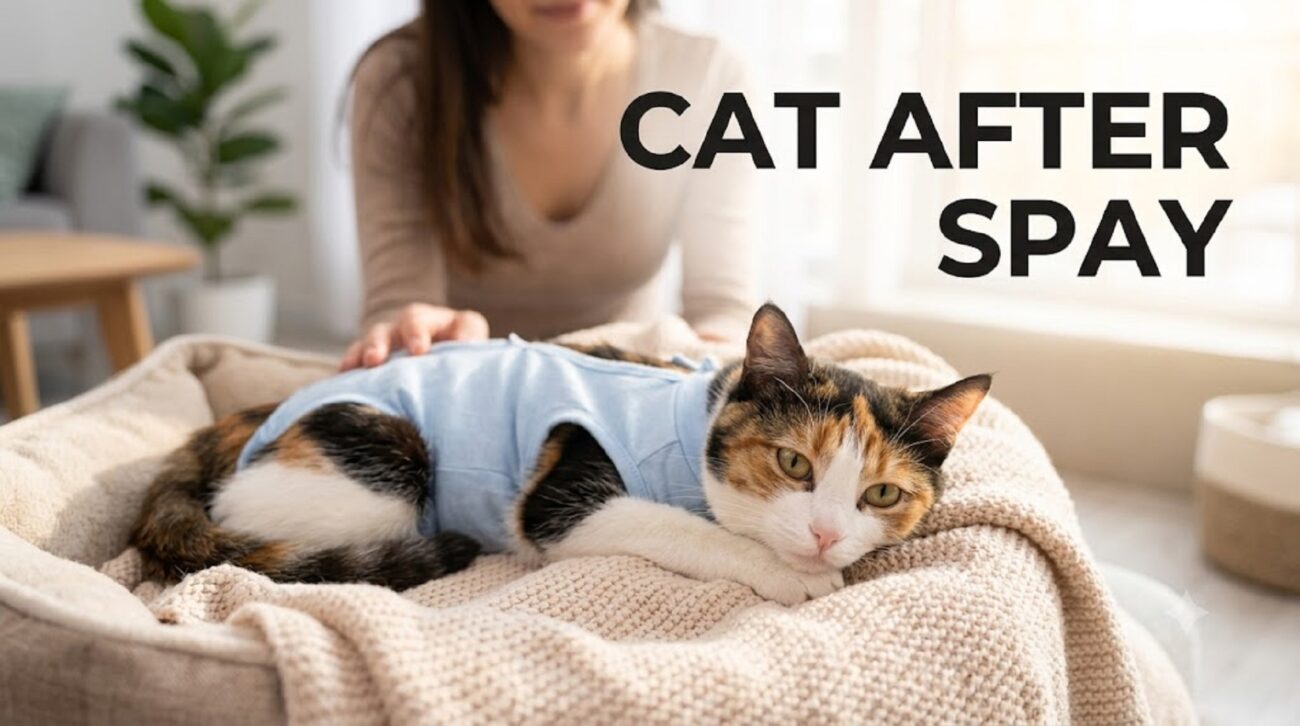
Since cats constantly clean themselves, licking a wound after surgery could have some negative consequences. Besides being irritating, licking introduces bacteria into the wound and can tear the sutures. That is why many veterinarians suggest placing special recovery clothing like E-collars or body suits to prevent your cat from accessing their surgery site.
Infection Indications
It is important to know that early detection leads to better results in treating cats with infections. Redness, heat, swelling, secretion, odor, and pain are symptoms of possible infection. The infected wound might also be wet instead of being dry. Some signs of cat infection are lack of appetite and fatigue.
Wound Discharge Issues
There is usually some clear wound discharge during the recovery period. Nevertheless, when there is any kind of yellow, green, bloodied, or malodorous discharge, you need to see a veterinarian because this is a serious matter. The wound may have an infection, be irritated by something, or separate.
Internal Sutures in Cats
Most veterinarians employ dissolvable sutures that are inserted internally and hence cannot be seen. The sutures help in holding together the wound as healing takes place and eventually dissipate. They do not have to be removed and hence lower stress levels for the cat and the owner. The sutures play a great role in the strengthening of the wound during the crucial initial phase of healing.
Complications of Cat Spay Incision to Watch Out for
While not all procedures have problems, there are several complications associated with the cat spay procedure that may arise. These complications range from infections, separation of the incisions, excessive swelling, blood loss, and sensitivity to suture material among others. By checking the site of the cut on the cat every day, any abnormality will be noted early enough to be treated before becoming a complicated problem.
Activity Limits
Proper control over activities is essential in the recovery process. Cats that need spay recovery advice from their owners should have a more thorough idea of how they behave during recovery. Jumping, climbing, and running during the first week and half are highly discouraged.
Feeding Post-Surgery
The majority of cats will be able to eat fairly soon after coming back from surgery. Yet, their appetite may stay low for a couple of days owing to the influence of the anesthesia used. The provision of small, light meals will likely stimulate the cat’s appetite. Water needs to be provided throughout the period. Refusal to eat and drink for more than twenty-four hours is a reason to consult a vet because proper nourishment is needed for recovery.
Time to Contact Your Vet
Cats’ owners should immediately seek advice from their vet if they see any of the following symptoms: swelling, bleeding, discharge, strong smell, intense pain, vomiting, weakness, wound separation. Problems related to breathing, sudden collapse, or problems with urination require urgent veterinary care.
Recovery Tips That Will Save You Time
A successful recovery process involves strict adherence to vet guidelines. Avoid all forms of physical activity, refrain from allowing your cat from licking the incision, ensure that the medication schedule is adhered to, and monitor the incision each day. The provision of a clean environment will also minimize the chances of infections. Additionally, making vet appointments will enable veterinarians to assess your pet’s recovery progress before complications develop.
Long-Term Prognosis After Spaying
Most felines will make a full recovery after undergoing spay surgery. After healing, the incision should become almost invisible. Your cat will be back to her regular activities within a couple of weeks and have better health outcomes in the future.
Concluding Words
Awareness about the cat spay cut enables the owner to be assured during the cat’s healing process. Although slight redness and puffiness in the first few days post-surgery is expected, it is vital to learn about symptoms that need attention. This way, the owner will be able to contribute to his/her pet’s quick recovery and benefit from the procedure’s positive aspects.