Blog
Cat Spay Recovery: Effective Options That Actually Work

Taking your pet cat home following a surgery might be nerve-racking, particularly when unsure of what lies ahead regarding recovery from cat spaying. Although spaying is quite a routine surgery with a minimal risk of adverse outcomes, effective post-operative care significantly contributes to a successful recovery of your pet. In addition, knowing about typical symptoms of recovery, physical limitations, and possible complications would help you avoid undue stress. Most cats recover quickly after spaying and resume regular activities in a matter of weeks.
Spaying Procedure Basics
To understand what recovery entails, one should familiarize oneself with what is done during a spaying procedure. As part of this surgery, veterinarians remove ovaries of a cat (and sometimes the uterus) while she is anesthetized. Besides being able to prevent unwanted pregnancies, such procedure reduces risks associated with developing reproductive conditions. Since surgery involves incisions through the abdominal wall, healing requires some time.
Recovery Is Important
It is not uncommon for owners to believe that their cat is recovered since the behavior becomes normal. In any case, internal structures need more time to heal compared to the skin. Also, engaging in active behavior too early increases the chances of complications. Recovery is needed to ensure that there is less pain, improved wound healing, and decreased chances of infection.
How Long Does It Take for a Cat to Recover from Spaying? Week by Week
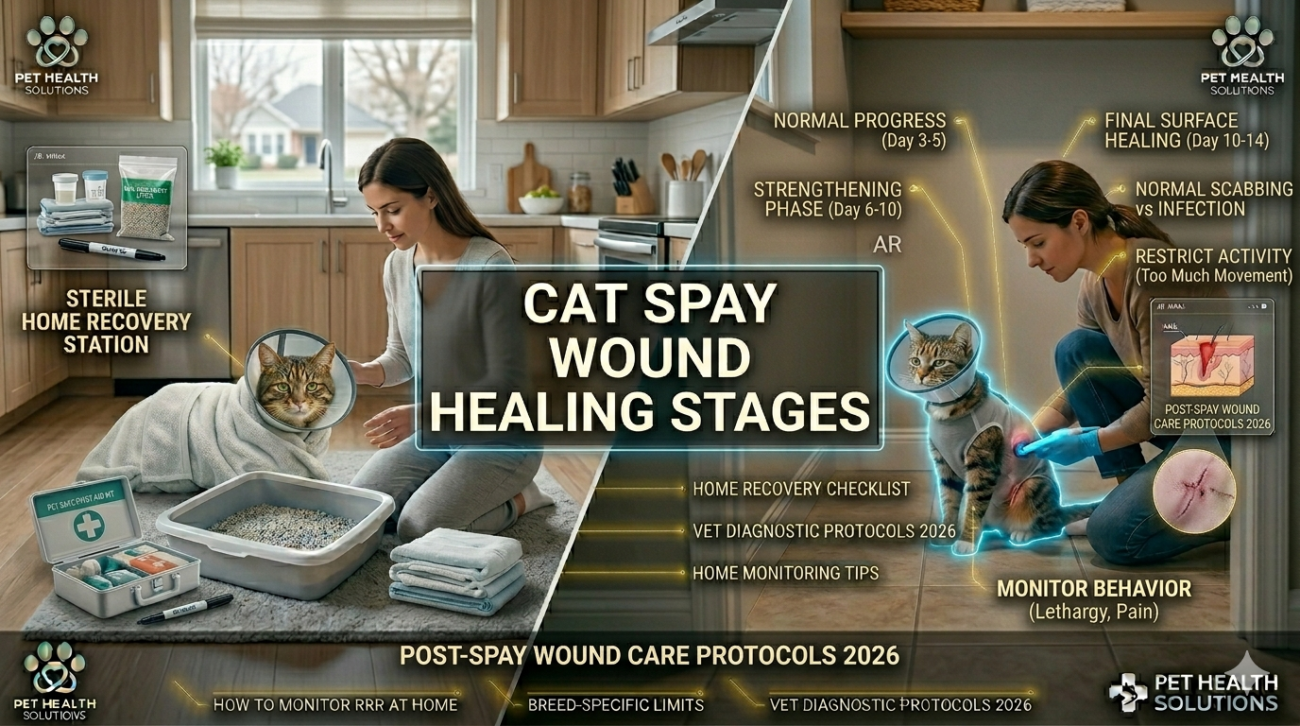
Knowing about the healing process timeline helps to distinguish between normal and abnormal things. Within the first 24 hours, it is common for cats to be lethargic since anesthesia is slowly being flushed out of the body. Also, there will be some pain and a decrease in the cat’s appetite. Energy levels tend to increase by the end of the first week. The majority of the healing will take place within ten to fourteen days.
The First 24 Hours Post-Surgery
The first 24 hours post-surgery can be challenging for pets. Cats may exhibit symptoms such as tiredness, weakness, and lack of interest in eating. Furthermore, due to anesthesia, some cats may become more anxious and secluded. The key to minimizing stress during this period lies in providing a comfortable and quiet environment for your pet.
Days 2 through 5
The majority of cats start returning to their usual behavior within several days. Improved appetite and increased physical activities can be expected at that point. Nevertheless, owners need to avoid running, jumping, and other strenuous activities until the cat heals properly. The sutures should also remain clean and not red nor have any leakage. Even though improvements can be expected, monitoring is crucial.
Typical Issues Associated with Cat Spay Recovery
Although the recovery process proceeds relatively quickly, some complications can arise nonetheless. Licking, changes in the animal’s appetite, unwillingness to wear the collar, and difficulty adapting to a sedentary lifestyle can be mentioned. The last issue becomes particularly relevant since some cats are especially active.
Handling Pain and Discomfort
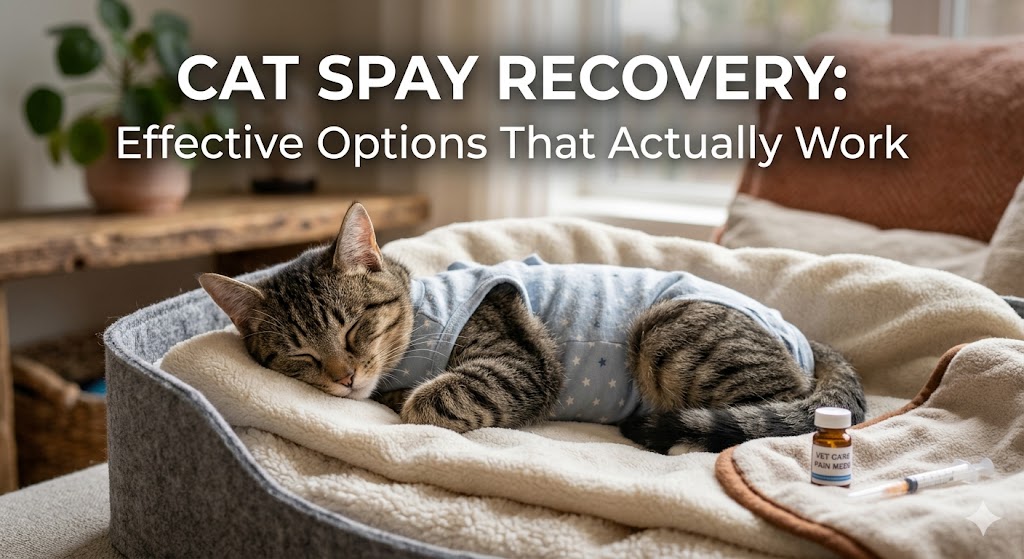
Another vital aspect to discuss is the issue of managing pain during the recovery period. Most veterinarians prescribe specific medications for cats. In no case, however, should human drugs be administered. Soft bedding and limited physical activity are recommended to minimize pain.
Symptoms Indicating that Your Cat is Suffering from Pain
Cats try to conceal their pain from others, which is why you have to monitor them. Some of the symptoms may include hiding, loss of appetite, excessive vocalization, abnormal posture, or unwillingness to move. Moreover, there are cats who become irritable when petted around their surgery wounds. It is always better to inform your vet in case you observe such behavior.
Careful Observation of the Incision Area
Effective incision care prevents numerous complications during the recovery period. Cat owners have to examine the operation wound on a regular basis to see any changes such as swelling, redness, secretion or detachment of the stitches. Furthermore, it is crucial to keep the wound dry to speed up the healing process. Basking in baths is prohibited until recovery is completed.
How a Normal Cat Incision Should Look Like?
Usually, a healthy incision area looks clean and slightly pink within the first several days. Swelling might appear as well; however, it should gradually subside over time. Also, a little bruising may occur, which is typical of certain cats. People interested in the healing process of their pets can visit this source and learn more about cat spay wound healing.
The Prevention of Licking and Chewing
A significant number of problems arise due to a cat licking or chewing at its stitches. Protection from this type of injury is provided by the use of protective collars and clothing and monitoring. The prevention is made easier by the engagement of a cat in various activities, thus avoiding licking.
Cat Spay Recovery and Activity Restriction Problems
This issue arises because many felines recover from surgery faster than they heal. Limiting the activity of a cat is necessary in order not to provoke internal stitches. Calm atmosphere discourages a cat from engaging in any activity.
Creating a Recovery Area
Recovery area is created in order to keep a cat protected from any injuries. Such an area must have food and drink resources as well as comfortable furniture. Furthermore, a recovery area should be far away from stairs and any high places where cats can climb up.
Maintaining an Active Cat’s Calmness
At times, some cats get very active right after surgery. Playful toys that allow for mild playing will stimulate their minds but not cause them to exert themselves too much. Besides, quiet games such as food puzzles will help avoid boredom. Proper regulation of energy level ensures no strain to the healing tissues.
Importance of Nutritional Needs during Recovery
Correct nutrition plays a significant role in aiding healing and supporting good immune system functions. Normally, cats regain their appetite a day after surgery; however, appetite loss may happen temporarily. Moreover, keeping hydrated continues to be essential during recovery as high-quality foods contain nutrients needed for good health.
Worrisome Cases of Loss of Appetite
Temporary loss of appetite is common after surgery. However, if appetite does not return within twenty-four hours, you should seek veterinary assistance. Furthermore, signs such as vomiting, laziness, or aggravation of symptoms suggest underlying health issues.
Warning Signs for Cat Spay Recovery Owners Should Not Ignore
Alertness of warning signs will help owners deal with any issue immediately once it arises. Excessive lethargy, unusual swelling, discharge, bleeding, and open stitches all require an urgent visit to the vet. Fever, vomiting, and refusal to eat may also suggest underlying complications.
Risk of Infection Following the Surgery
Even though the chances of infection are low, they cannot be entirely ruled out following surgery. Bacteria could invade the incision area causing inflammation and delays in healing process. Furthermore, excessive licking is one of the greatest sources of infection following the operation.
Lumps Around the Spay Incision Site
It is not uncommon for owners to find swelling around the spay incision area or even discover lumps following recovery. Some level of swelling is expected, but owners should seek a second opinion where they see unusual lumps developing. Understanding conditions associated with cat spay incision after lump removal surgery will aid owners in differentiating between normal recovery and other complications.
Subsequent Vet Appointments
Post-surgery exams help veterinarians monitor the healing process and any issues that arise. Furthermore, follow-up visits allow discussion of activity limitations, medications, and what to expect during recovery. Consistent vet care is important for successful outcomes and peace of mind for owners.
Recovery Involves More Than Healing
Not all recovery processes involve physical aspects only. In fact, some felines become withdrawn or clingy after going through surgery. Moreover, alterations in daily routines often lead to increased stress. Gentle handling, patience, and familiarity can make cats feel safe throughout the process. Psychological wellness plays an essential role in overall recovery.
Benefits Of Spaying Cats Long Term
Though recovery takes time and effort, the results are well worth the trouble. For one, spaying ensures there won’t be any accidental pregnancies. Secondly, the procedure eliminates chances of uterine infections and cancer development. In addition, spayed cats lead happier lives.
Recovery Support for Older Cats
It is worth noting that older cats usually heal slower than their younger peers. Moreover, other illnesses or health conditions in an animal may affect the healing process. Proper monitoring, administration of medication, and communications with veterinarians can contribute to effective recovery of an older feline patient.
Achieving Long-Term Success in Cat Spaying Recovery
After successful recovery, cats normally resume their regular activities without any side effects. Moreover, proper postoperative care will contribute to better results and prevent potential issues. Regular veterinary checks-ups should be continued afterwards in order to promote good general health of a cat.
Conclusion
The recovery process after undergoing a spay operation is very important for the well-being of your pet in the future. It is vital to know healing periods, monitor the wound, limit the cat’s activities, and identify red flags in order to prevent complications. Furthermore, with professional help from veterinarians, all potential risks will be reduced to zero, resulting in easy recovery from the surgery for the cat.