Blog
Cat Blood Pressure Machine Veterinary

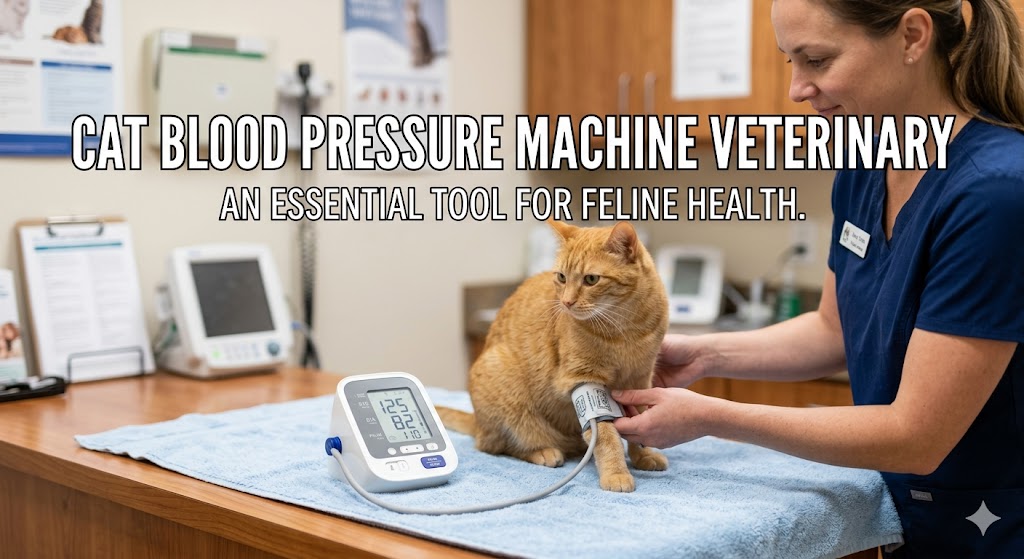
The importance of a cat blood pressure machine among veterinary professionals cannot be overemphasized since it can play a major role in checking health conditions. It is important that veterinarians perform a test to monitor blood pressure, which helps detect underlying conditions. High blood pressure in cats can have adverse effects on the heart, kidneys, eyes, and even the brain. Thus, monitoring of such vital functions is essential in the diagnosis and treatment of cats’ health problems. The majority of owners are interested in veterinary blood pressure machines due to the wish to learn more about such medical equipment.
What Is a Cat Blood Pressure Machine
This piece of veterinary equipment can measure a cat’s blood pressure using different tools and technologies. They enable veterinarians to monitor the level of systolic pressure and detect any deviations. Additionally, modern blood pressure machines minimize stress for both owners and their pets while performing a test. In particular, most clinics prefer specific veterinary monitors that cannot be replaced by common human machines. This type of machines is compatible with cat-specific small cuffs. Thus, due to the necessity of high accuracy, such machines are preferred.
Importance of Blood Pressure in Cats
The function of blood pressure is to maintain organs such as the heart, eyes, kidneys, and brain. If the blood pressure in a cat’s body is too high, there could be harm done to any of these organs. Early detection will prevent the development of significant issues. Low blood pressure is another reason why a veterinarian may need to measure a cat’s blood pressure. The absence of symptoms means that cats with hypertension have undiagnosed diseases, which makes the process of routine blood pressure checking essential.
Reasons Why a Veterinarian Checks Feline Blood Pressure?
There are several causes for a veterinarian to assess the blood pressure of a feline. Older cats have an increased risk of hypertension, making blood pressure screening part of their regular medical examination. Other cats require the measurement of blood pressure due to kidney disorders, thyroid disorders, or cardiac disease. Before any surgical procedures, veterinarians take the measurements to prevent further complications in a cat’s body. If a pet owner notices unexpected changes in his cat’s vision, he will immediately visit the veterinarian’s office.
Different Types of Cat Blood Pressure Machines at the Vet Clinic
Cat blood pressure machines come in different types. The first type is Doppler machine that is considered one of the best machines for obtaining readings in cats. Additionally, Oscillometric machines also exist and are used in some vet clinics to get quick readings. Moreover, the latest models of blood pressure machines are equipped with monitoring capabilities allowing obtaining repeatable measurements in the clinic. Each machine has its own advantages and, therefore, each machine should be properly selected in order to obtain accurate results.
Usefulness of Doppler Blood Pressure Machine in Cats
One of the most used methods for measuring feline blood pressure is the method based on using Doppler machine. It detects the ultrasound from a vessel and also measures the blood pressure. Most veterinarians prefer this method for measuring the feline blood pressure as it gives great results even with anxious patients. Moreover, Doppler method is useful for obtaining readings with automated blood pressure machines.
Blood Pressure Machines Using Oscillometric Technology
In such machines, blood pressure is measured by inflating the cuff and detecting changes in pressure levels. Such machines are very popular since they are easy to use and deliver readings instantly. Moreover, there are machines that record readings to be able to track any changes. Yet, some oscillometric machines are affected by movement in some felines, thus, readings should be repeated again. However, if the machines are operated properly and the correct cuff is used, they may produce reliable readings. Thanks to continuous technological progress, oscillometric blood pressure machines are still relevant in veterinary practice.
Operation Principles of Veterinary Blood Pressure Machines
There are several principles behind the operation of blood pressure machines for felines. Firstly, in order to measure blood pressure, the machine uses the cuff put on the cat’s leg or tail. The machine registers any pressure changes as the flow of blood passes through the artery. There are several techniques of measuring blood pressure. In oscillometric machines, blood pressure is detected automatically. Also, multiple readings are used since one reading may be wrong due to stress effects.
Significance of Using the Right Sizing Cuff
Using the right cuff sizing when measuring feline blood pressure is extremely significant because of its ability to affect measurement outcomes. For instance, using a cuff that is larger than what the individual requires may result in inaccuracies. Similarly, using a smaller than required cuff may also lead to distortion of measurement outcomes. As such, veterinarians base their decision regarding which type of cuff to use on the circumference of a cat’s limb or tail. Besides, correct positioning is equally important. No machine can overcome poor positioning. As a result, this small detail becomes highly significant due to the high level of accuracy required for feline blood pressure measurement.
Procedure Used by Veterinarians in Taking Feline Blood Pressure
When conducting feline blood pressure measurements, veterinarians may allow some time for relaxation to ensure that they obtain more accurate measurements. Instead of taking just one measurement, most veterinarians will take a few measurements and then average them. Furthermore, most veterinarians disregard the first measurement since it may be highly affected by the level of stress experienced by the patient. Additionally, many veterinarians will ensure that they take feline measurements using appropriate restraints.
Hypertension in Cats under Clinical Conditions
It is possible that your cat has developed high blood pressure in a clinical setting due to stress, which causes temporary elevation in the animal’s BP. This condition is sometimes referred to as white coat hypertension. As a result, one isolated instance of elevated blood pressure doesn’t necessarily indicate chronic hypertension in your pet. Instead, it might be necessary to repeat the measurement and conduct further tests in order to determine whether the increase in blood pressure was caused by stress or an actual medical issue.
Warning Signs of Hypertension in Cats
In most cases, high blood pressure in cats does not cause any symptoms until it starts causing complications. Nevertheless, some cats begin displaying certain warning signs as complications start developing. Your feline friend may experience issues with their vision, such as blindness or even dizziness and strange behavior. In addition, it is possible that your cat will become weaker than usual, especially if it is suffering from another disease.
Health Conditions Associated with Feline Hypertension
A number of health problems have been associated with feline hypertension. Chronic renal diseases have been identified as one of the most common causes. In addition, hyperthyroidism may be associated with high blood pressure. Certain heart diseases could also result in changes in blood pressure. These health conditions tend to be common among senior cats. It is therefore necessary to screen senior cats for such conditions. This will help ensure that organ damage is prevented. Moreover, management of the condition usually leads to better results.
Feline Blood Pressure Machines at Home
Cat owners who need to monitor their cats’ blood pressure at home often seek feline blood pressure machines. Though there are special veterinary instruments, home monitoring can be difficult. Cats do not enjoy being handled by humans. Improper use of the device might lead to wrong results. Cuff positioning and stress management are also important. This explains why most veterinarians recommend home monitoring of cats carefully. However, it might be necessary to consider home monitoring in certain cases.
Advantages of Blood Pressure Checks by a Veterinarian
There are some advantages of blood pressure monitoring. First, it makes it possible for veterinarians to uncover hidden illnesses. Moreover, blood pressure monitoring can assist with safe management of renal diseases, thyroid disorders, and cardiovascular illnesses. Besides, it is useful for assessing the effectiveness of medication. Additionally, monitoring can be helpful in identifying any patterns that cannot be observed through individual readings. As hypertension can be silent, its early detection becomes critical. Thus, blood pressure checks allow veterinarians to provide proper treatment, maintain organ function, and ensure the well-being of their patients.
Criteria for a Good Cat Blood Pressure Device
Some important factors should be considered when reviewing a blood pressure machine for cats used by veterinarians. The accuracy of the device is essential. Besides, the availability of feline cuff options is an important factor. Sometimes, a veterinarian may prefer a machine with a digital recorder to observe changes in readings. Some devices have a quiet mode to prevent stress in cats. Moreover, reliable calibration is necessary to obtain accurate results.
Maintenance of Blood Pressure Monitors
It is very important to ensure proper functioning of the equipment that monitors blood pressure. This involves performing calibrations regularly. In addition, one should check for any damage on the cuff and other parts such as tubes. Damages can lead to inaccurate measurements. Finally, cleaning of the monitor plays an important role in ensuring the device works optimally. The need for proper maintenance cannot be overstated because blood pressure monitors will not give accurate readings without it. Maintenance will help avoid errors in readings.
Cats That Need Regular Checking of Blood Pressure
Some cats are likely to have their blood pressure checked more often compared to others. Cats suffering from kidney diseases are likely to be among such patients. Similarly, cats with thyroid or high blood pressure will need repeat examinations. Some cats are likely to be examined frequently to check whether they are responding well to drugs prescribed by doctors. Older cats will need their blood pressure checked at least once in six months.
Can Blood Pressure Machines Assist in Formulating Treatment Strategies?
The information generated by blood pressure machines is valuable in treatment strategy formulation. If the values persistently stay elevated, the veterinarians may have to change the medication and possibly conduct further investigations into any underlying conditions. Moreover, lowering the values might prove that treatment is working and has become effective. Thus, besides diagnosing hypertensive problems, blood pressure machines can be used to formulate treatment strategies that can benefit the cats’ health in the long run.
Selecting the Appropriate Blood Pressure Machine for Felines
There are different factors to take into account when selecting an appropriate machine. While some practices would prefer Doppler devices, due to their high level of accuracy in measuring the blood pressure in cats, other facilities will opt for advanced oscillometric machines because of their digital nature and efficiency in providing results. However, it is important not to disregard the accuracy of a device when selecting one.
Conclusion
A cat blood pressure machine used in veterinarian clinics is crucial in identifying and controlling the health conditions of cats. The machines aid in the detection of hypertension, observation of chronic diseases, and decision-making in treating illnesses. Moreover, precise machines allow for the early identification of illnesses before serious complications occur. The correct cuff size, gentle handling of the cats, and multiple readings also enhance accuracy. It is also important to note that many cats lack visible symptoms; therefore, regular testing is critical.