Blog
Cat Won’t Eat Dry Food Suddenly

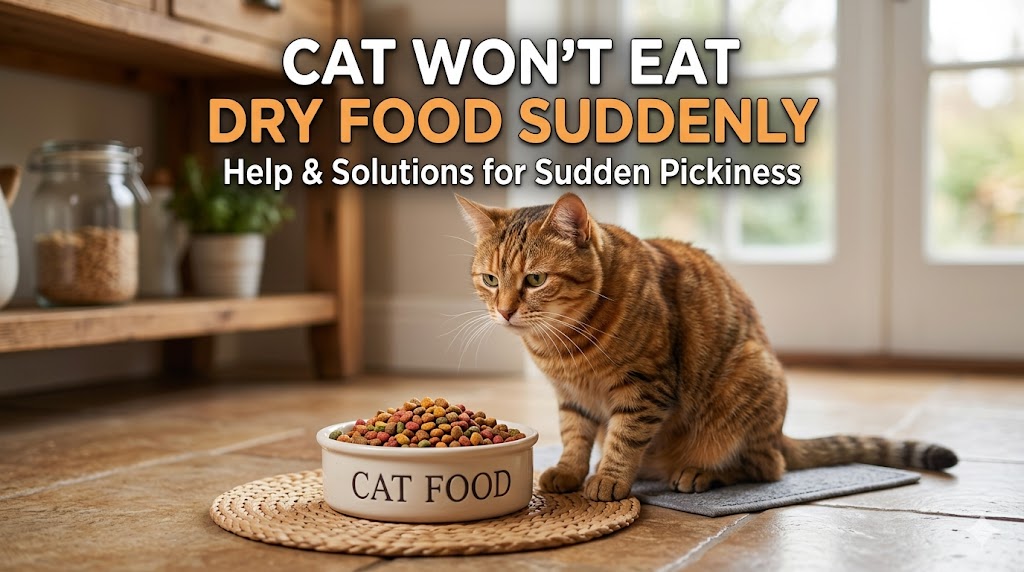
There are many reasons why cats refuse to eat dry food suddenly, and this situation causes serious concerns among pet owners. As it is known that cats tend to keep up with routine, any kind of food aversion can be considered as something that needs further analysis. For example, in some cases, it might be caused by taste preferences; however, there might be a variety of factors associated with the state of a cat’s health as well. That is why it is important to pay close attention to such an occurrence.
Refusal to Eat Dry Food Suddenly and Its Meaning
This problem seems not to be very critical, as it might occur for some quite innocent reasons. However, since cats do not show symptoms of any illness until it becomes serious, the refusal to eat dry food can be regarded as the only sign that the animal feels unwell. What is more, it is important to mention that cats are supposed to have their food in time because otherwise, they might develop health problems.
Dental Issues That May Result in Refusal to Eat Dry Kibble
It is common for cats to refuse their dry food because of painful teeth. Hard kibble needs to be chewed, and such action may cause additional discomfort due to inflamed gums, chipped or broken teeth, or other dental issues. Besides, mouth ulcers, infections, or other dental problems may make it hard for the pet to eat. For example, the animal may approach the food bowl, smell its contents, and then move away. Another option is that the cat will try to nibble the food and fail to eat. That is why cat owners need to pay attention to any symptoms associated with dental problems.
Senior Pets May Refuse to Eat Due to Old Age
In senior cats, there might be several reasons to give up on crunchy foods. As cats age, tooth enamel erodes, the mouth becomes irritated and sore. Moreover, as chewing gets painful for older animals, they will most likely try softer foods instead. Owners sometimes mistakenly take it for their pets’ stubbornness; however, it is a clear sign of discomfort. It is important to consult with a vet when your older cat refuses to eat its dry food.
Food’s Age Can Impact a Cat’s Interest in Food
It is important to remember that cats often have very high demands on food. Stale food can be less appetizing due to a lack of freshness. Moreover, poor storage conditions might lead to exposure to moisture or even contaminants. There is also a chance that the cat will refuse the food because it was taken out of a different formula bag than before. In this case, the owner should consider the age of the food and its proper storage.
Formulation Variations in Pet Foods Are Important
Different brands regularly introduce variations in their pet foods by adding some additional ingredients. It can be a change in taste balance or just a new protein source that makes the food less palatable. In addition, some manufacturers decide to slightly modify kibble’s shape or texture. All these minor differences can make food less attractive for the cat. Thus, the owner should take a look at the packaging and compare it to previous packages.
Stress May Influence Cat’s Appetite
Stress may be the reason behind abrupt changes in appetite for the animal. Household chaos, visits, introduction of another pet, or even relocation may influence the pet. Moreover, any loud sounds or change of the owner’s schedule may stress out the cat. As a result, some cats lower the amount of consumed food, while others simply stop consuming specific types. Thus, the owner is to think about whether there are any recent changes in the house. The simple repositioning of the plate might also make the cat not hungry anymore.
Cat No Longer Finds Dry Food Attractive
Sometimes, the cat just stops finding the texture of the dry food appealing. The animal may get tired of the same meal, which will make it choose softer food options. Additionally, the animal may become dehydrated and thus look for alternative food. For example, sometimes the owner notices that his cat continues eating treats but rejects the food in the plate. Such preference may be related to taste preferences. Yet, any preference shift requires careful consideration.
Disease May Be the Cause of Reduced Appetite
Internal disease may lead to an increased reluctance to eat or an aversion to certain foods. Feline diseases such as respiratory tract infections may impact appetite by reducing the cat’s sense of smell. Furthermore, digestive upset that causes nausea may result in a cat refusing dry food and preferring soft or wet food. Certain internal diseases may also cause appetite changes. Consequently, owners should observe their pet for lethargy, vomiting, or strange behavior. When combined with food aversion, owners may seek veterinarian assistance.
Digestive Problems May Be the Cause of Food Aversion
Digestive upset may be the cause of sudden food avoidance. Nausea, constipation, or even intestinal irritation may make it difficult for cats to enjoy food due to texture. For instance, some cats may approach food but then refuse it after sniffing. The cat’s body language may indicate digestive problems. Owners should keep an eye out for symptoms like vomiting, licking the lips, and crouching positions. Digestive issues may be minor to severe.
Kibble Can Be Too Hard for Some Cats
Other cats discontinue consuming kibble due to the texture of the dry food. This problem can be experienced even in the absence of any serious tooth disease in the cat. Sensitive gums and jaws, as well as minor discomfort while chewing, could be causing this problem. Furthermore, very large pieces of kibble can deter many cats from eating. Checking whether the kibble pieces are too big and tough will enable determining whether that is the cause of the problem. In case a cat starts to eat after softening kibble, the problem is probably related to its difficulty chewing the food.
Bowl Issues Could Also Influence Consumption
There are cases when cats refuse to eat not because of food quality but because the bowl is too deep. For example, some cats do not like to eat out of shallow bowls since the contact of their whiskers with the sides of a deep bowl causes unpleasant sensations. Additionally, cats may also avoid eating because of the location of the bowl, which may be too close to the litter box or an appliance making noise.
Dry Food and Unexpressed Pain
Since cats tend to conceal their pain, any appetite-related issues become significant. The cat might refuse dry food because chewing aggravates pain caused by invisible disorders. Also, arthritis and neck pain can make it painful to lean forward toward the dish. Some cats may appear fussy without being so; rather, pain motivates their actions. Consequently, owners need to contemplate the probability of unexpressed suffering. Observing postures, movements, and efforts during eating can provide insights. Consultation with a veterinarian will assist in determining hidden pain sources for a sudden rejection of dry food.
Are Cats Prone To Disliking Their Dry Food?
Yes, cats can become bored of consuming the same food due to constant exposure to it. Cats develop preferences easily, and boredom may lower the desire to eat a frequently consumed product. Moreover, certain cats prefer a mixture of different types of food as part of a healthy diet. Nevertheless, owners must pay attention to an abrupt change of preference since it may mirror symptoms of disease. Thus, the cat should be examined to see if it eats anything else normally.
Ways to Persuade Cats into Eating
There are various ways through which cats can be coaxed back into eating. Giving new pieces of kibble, heating up wet food smells, or soaking dry food might work. Furthermore, maintaining regular mealtimes promotes the routine. In some cases, changing the location of the bowl by placing it in a quiet place might work. As a result, minimal changes to the environment might assist. It is essential not to force the cat into eating or make quick alterations to its diet. Experimentation in a gentle manner is more effective. If the cat is still refusing the food despite minimal adjustments, more investigation is required to dismiss any possible underlying health complications.
When the Cat Eats Wet Food But Refuses to Eat Dry Food
Sometimes, cats might stop eating their dry food while still consuming wet food. This type of behavior usually results from problems with texture and chewing, or they simply dislike the food. Also, cats with poor smell sense might be attracted by the strong smell of wet food. Therefore, although this behavior might be an indication of the issue, it does not necessarily mean that the cat is healthy.
Time to Call the Vet
The cat owner should call a vet if the cat won’t eat anything at all, shows additional symptoms, or persists in refusing dry food for no reason. The presence of symptoms such as vomiting, lethargy, excessive salivation, unexpected weight loss, or behavioral changes is a clear signal to seek medical advice. Moreover, it is necessary to consult a doctor in the case of kittens or older cats that have started refusing dry food suddenly. So, it is worth taking care of the problem from the very beginning. This will help detect any possible diseases, including dental problems and pain, before they get worse.
Not to Do List
Sometimes, the owner’s actions can exacerbate the problem. First of all, it is not recommended to force-feed a cat, which will only cause additional stress and provoke it to reject its usual meal. Second, it is not worth changing the cat’s food abruptly, as it can negatively affect its digestive system. Third, giving too much junk food to your pet can also be harmful, since it does not contain enough nutrition and will eventually make the cat lose its appetite.
Preventing Sudden Dry Food Refusal in the Future
Many preventive measures include basic health practices and effective feeding habits. For example, dental exams can be used to identify any problems with the mouth. In addition, storing food properly is helpful for maintaining its freshness and appetizing qualities. Monitoring regular changes in appetite patterns can be very useful for catching them early. Thus, the problem will be detected at an early stage and will be much easier to solve. The use of quiet feeding environments can also play a role. In addition, visits to veterinarians can reveal underlying diseases.
Creating Comfortable Conditions for a Cat
When the cat has changes in appetite, it is necessary to pay attention to certain things. It will be useful to carefully observe your pet when eating. Besides, it is important to pay attention to your animal’s drinking. Observing behavioral patterns can also be useful in this situation. In general, predictable routines help reduce anxiety levels. Besides, constant pressure on a cat should be avoided, since it will have a negative effect. It will take time to find out why your cat stopped eating its dry food.
Conclusion
If a cat is not willing to eat the dry food all of a sudden, there could be multiple reasons behind the behavior. This might happen due to issues like dental pain, stress, sickness, stale food, etc. Hence, it is important for the owners to note any changes and act immediately to solve the matter. Knowing the reason can help the owners in finding the correct way of addressing the issue.