Blog
Cat After Spay Explained: Tips, Facts, and Vet-Insights

Spaying is among the most common and effective surgeries conducted on female cats. This operation helps to prevent unwanted pregnancy and reduces certain health risks, increasing the chances of living longer and better. However, owners usually experience anxiety when their cats have gone through this surgery, as they do not know which symptoms and behaviors should be considered normal. Knowing the recovery process of a cat after the spay surgery is essential to minimize stress and guarantee proper recovery.
What Is a Spay Surgery?
A spay surgery is the removal of the reproductive organs of a female cat. This surgery is performed on a cat under general anesthesia by veterinarians. Moreover, nowadays, the procedure of spaying cats is quite safe due to new technologies used in medicine. The main reason why a spay surgery is recommended is that it eliminates the possibility of future heat cycles and pregnancy in a cat.
Reasons to Spay Cats
Vets recommend spaying because it helps maintain good health conditions in cats and prevent overpopulation of pets. The reason is that cats will not experience the heat period anymore since it causes much stress and affects their behavior. Moreover, the spaying will help prevent uterine infections and greatly decrease the chances of developing mammary tumors when done at an early age. In this way, there are several medical and behavioral benefits from spaying. Thus, spaying is still one of the main preventive treatments among veterinarians.
Immediate After Surgery Effects
Cats usually feel sleepy for a day or two after being operated on because of anesthesia. It means that the animal can look sleepy, confused, and less active in comparison with its usual behavior. Also, it can have balance problems and loss of appetite for a couple of days. So, these symptoms are quite common after spaying and disappear in a few days after the operation.
Normal Behaviors for a Cat after Being Spayed
It goes without saying that all cats behave differently after being spayed. However, there are several typical reactions associated with post-surgical recovery. For instance, some animals may be especially quiet, whereas others are very cuddly. Also, one may expect appetite and activity to decline temporarily. Since healing takes time, a cat will need more sleep than usual. So, instead of waiting for quick behavioral changes, one should consider paying attention to the general state of an animal.
First Day after Surgery
During the first day after being spayed, a cat may be drowsy and not very active. Apart from that, the animal will have no appetite for the first few hours after coming home. Providing small amounts of food and fresh water will help stimulate hunger and proper hydration. Moreover, restricting physical activity is a good way to protect the healing area.
The Creation of Comfortable Recovery Area
A quiet atmosphere is favorable for healing and relaxation. The owner should select a secluded room where children, other pets, or household noises will not disturb the cat. Furthermore, soft bedding, easy access to food, water, and litter box should be provided. Raised surfaces are to be avoided since they may cause a temptation to jump. Due to the fact that much movement leads to tension of tissues that need to recover, this measure is one of the crucial steps that owners can do to facilitate recovery.
Checking the Surgical Incision
Observation of the surgical incision is necessary during recovery period. The ideal state of the incision site involves a clean wound, slight swelling, and no discoloration. Occasionally, there might be a little bruising at the site. However, the wound should be checked daily, but without much manipulation. Thus, timely discovery of problems will enable owners to seek veterinary help.
Signs of Healing Successfully
The process of healing occurs slowly over several days after the operation. Slight inflammation, redness, and pain might appear in the beginning but should subside gradually. Besides, the incision site needs to stay intact and drain little if any liquid. As every pet is unique, some variations in healing might be expected. In any case, continuous improvement is the key thing to show that healing goes right and without any complications.
When to Get in Touch with a Veterinarian
Some signs mean that you need help from the vet immediately. Severe swelling, bleeding, pus discharge, and an open wound are signs of something going wrong. Extreme lethargy, constant vomiting, respiratory problems, or refusal to eat can also signal about complications. Since the earlier the treatment starts, the better the result will be, owners cannot disregard any warning signs.
Activities Cats Should Not Have After Being Spayed
The most important aspect of taking care of a cat after spaying involves regulating the level of its activity. Vigorous actions such as running, jumping, and playing rough can be harmful to healing tissue and lead to complications. That is why vets usually advise limiting the level of activities for about ten to fourteen days. Even though a cat may look energetic immediately after the operation, limiting activity is essential for preventing problems with the surgical site and helping it heal properly.
Why Jumping Should Be Avoided
Cats love to jump and climb things. However, such actions can hinder their recovery. A sudden motion might cause straining of the sutures inside the body and swelling at the site of the incision. Also, vigorous activity increases the chances of reopening of the wound. For that reason, a cat owner needs to block a pet from reaching high places like furniture, tree or windowsill.
Management of Multiple Cats in the Same Home
Recovery is more difficult when there are many pets at home. Other cats can lead to games, hunting, and unnecessary interactions. Therefore, for a while, it is useful to isolate them to ensure that excessive actions do not occur and avoid any damage to the wounds. Moreover, it is easier to keep a cat away from other pets by providing them with different meals and litter boxes.
Changes in Appetite After Spaying
After the procedure, changes in appetite may occur. Some cats will consume less food because anesthesia negatively impacts their digestive system and general condition. However, appetite should return within twenty-four to forty-eight hours. Moreover, feeding your pet with familiar food can help her eat better. As good nutrition promotes recovery, food intake should continue to be controlled
Hydration and Recovery
Hydration is an important component of recovery, since it facilitates circulation and tissue repair. In order to do that, the owner should make sure fresh water is always available. Also, feeding the cat with wet food might assist in hydration, especially for those who dislike drinking. Dehydration hinders recovery and may lead to complications, therefore this simple but very useful element of recovery after the surgery should be considered by owners.
Pain Management
Today veterinary specialists pay a lot of attention to pain relief after surgery. The medication will be prescribed in order to alleviate pain and accelerate recovery process. All instructions should be strictly followed while giving it to the cat. Moreover, any medication should not be applied to the cat by its owner without a prescription, since some of the medicines might be toxic to the cat.
Recovery Time Frame Knowledge
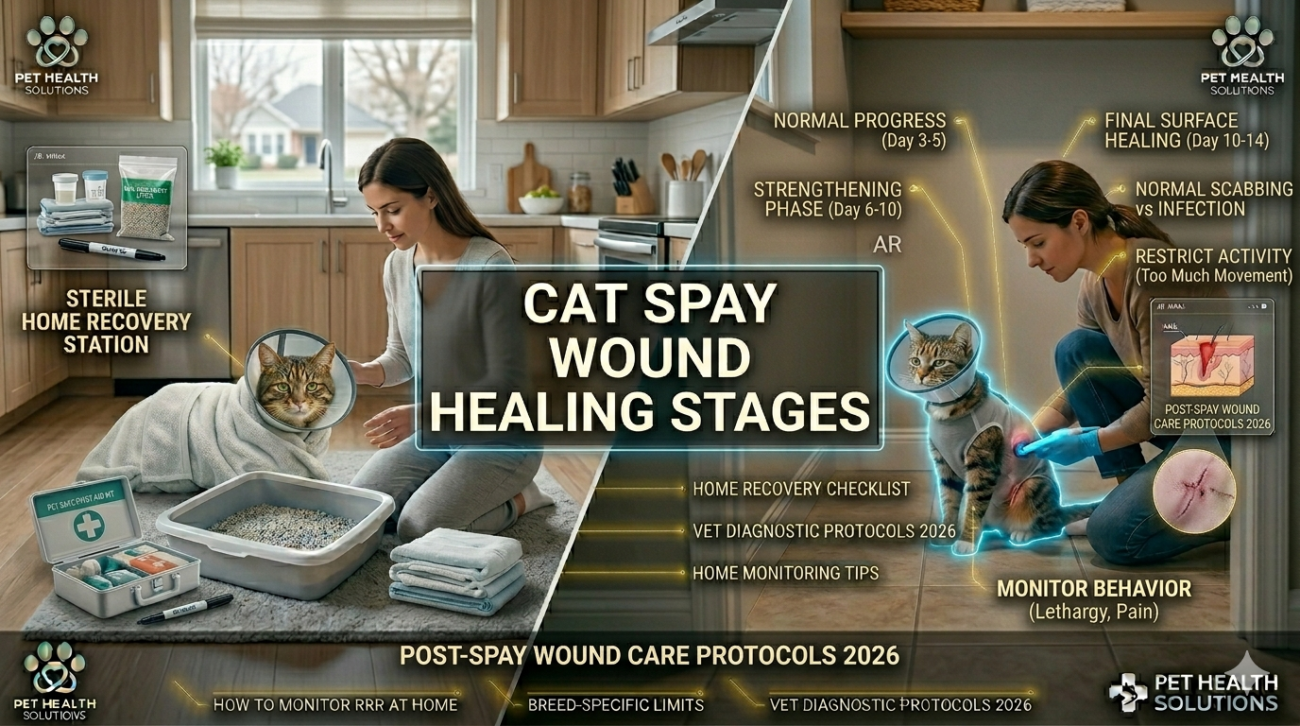
Spayed cats heal very quickly after this procedure. Rest is a primary focus during the initial days of recovery. After one week from the day of surgery, many cats show an increase in their energy level and appetite. Besides, wounds usually look healed after about ten to fourteen days. Thus, knowing the timeline can help owners understand whether there are any issues which should be discussed with a vet.
Spaying Myths and Facts
There are numerous myths related to cat spaying. It is claimed that cats’ personalities change dramatically or that spaying makes cats unhealthy. In fact, spaying removes reproductive behavior but does not affect personality traits. What is more, weight regulation in spayed cats is determined by food and exercise but not by the surgery itself.
Stopping Licking and Biting
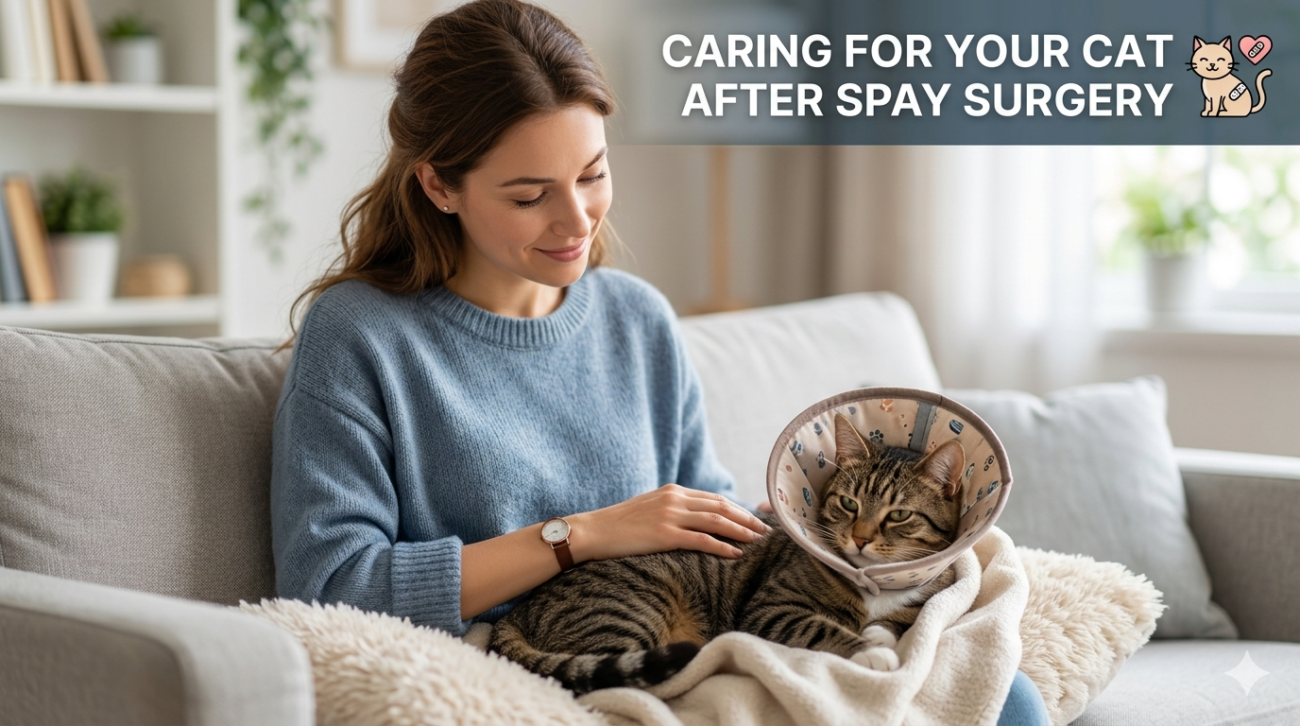
Cats will often try to lick their wounds during healing, thus causing problems. Overly licking causes infection, irritation, and can hurt any sutures. This is why veterinarians usually suggest using recovery collars or clothing. While using such things may seem uncomfortable at first, they are highly helpful in terms of reducing the risk of complications. Thus, protecting access to the area is an essential part of the process.
Knowing About Cat Recovery After Spaying
When searching the internet about the spay surgery, people who are interested in spaying cats may want to know more about cat recovery after spaying since every step of the healing is crucial. This is how one learns about milestones of healing, limitations, and other useful tips that help build confidence. This way, educational materials become extremely useful.
Complications That Can Be Expected
While complications are rare, they can happen. Infection, wound irritation, allergic reactions, and excessive swelling constitute just some examples. Moreover, sometimes internal complications will arise even though everything looks fine on the outside. Monitoring thus becomes important. Being able to identify any complications as soon as they arise will make the treatment process faster and more effective. It is thus vital for feline well-being.
Understanding of Cat Hernia After Spay
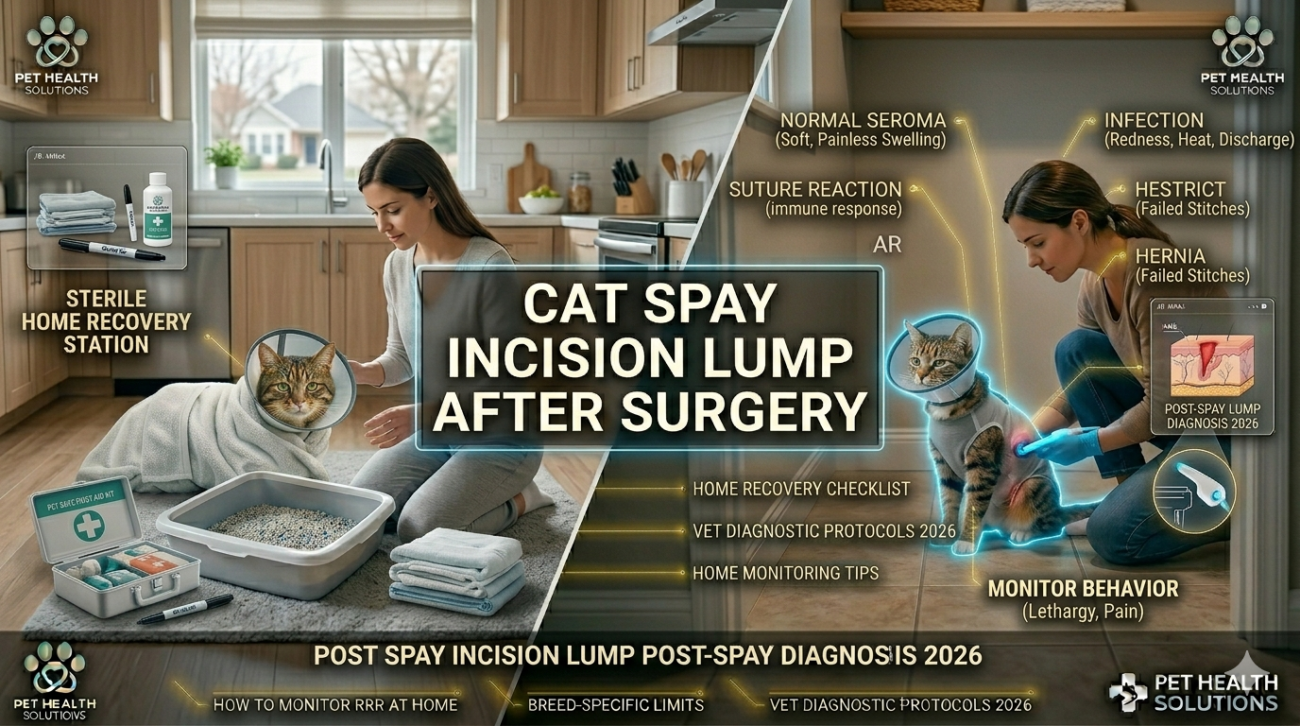
Cat hernia after spay is something that worries some pet owners, especially if swelling occurs around the surgical site. Even though hernias are rare, it still helps to understand the symptoms that will be present. In addition, in case of abnormal swelling and bumps, veterinary examination becomes necessary. Understanding about possible complications raises awareness and ensures proper actions are taken.
Long-Term Benefits of Spaying
Spaying comes with numerous benefits that go past the period of healing. First, the female cats will not experience any form of pregnancy anymore. They will also stop experiencing the process of going on heat. Also, the risk of having reproductive diseases significantly decreases; hence improving their long-term health. Due to the fact that spaying prevents several serious illnesses, it will be among the greatest investments that can be made regarding a cat’s health. In general, the benefits will last through the cat’s lifetime.
Supporting Emotional Comfort During Healing
It is crucial to pay attention to the physical comfort of cats; however, emotional comfort is equally important. One should show care towards the cat, maintain the same routine, and prevent stressing situations to make a cat feel safe. Besides, taking into consideration that cats like to get enough rest and sleep, it is better to respect the cat’s needs.
Conclusion
Taking care of a cat after the operation is a time-consuming process that involves careful observation and appropriate treatment. Although it is absolutely natural for a cat to undergo some behavioral changes, owners need to be vigilant in case their pet experiences any difficulties. With a correct course of action, which includes adherence to veterinarian’s recommendations and careful monitoring, most cats recover in a couple of weeks. It is necessary to keep in mind that spaying will benefit your cat in the long run.