Blog
Can I Put Coconut Oil on My Cat? What the Vets Actually Say

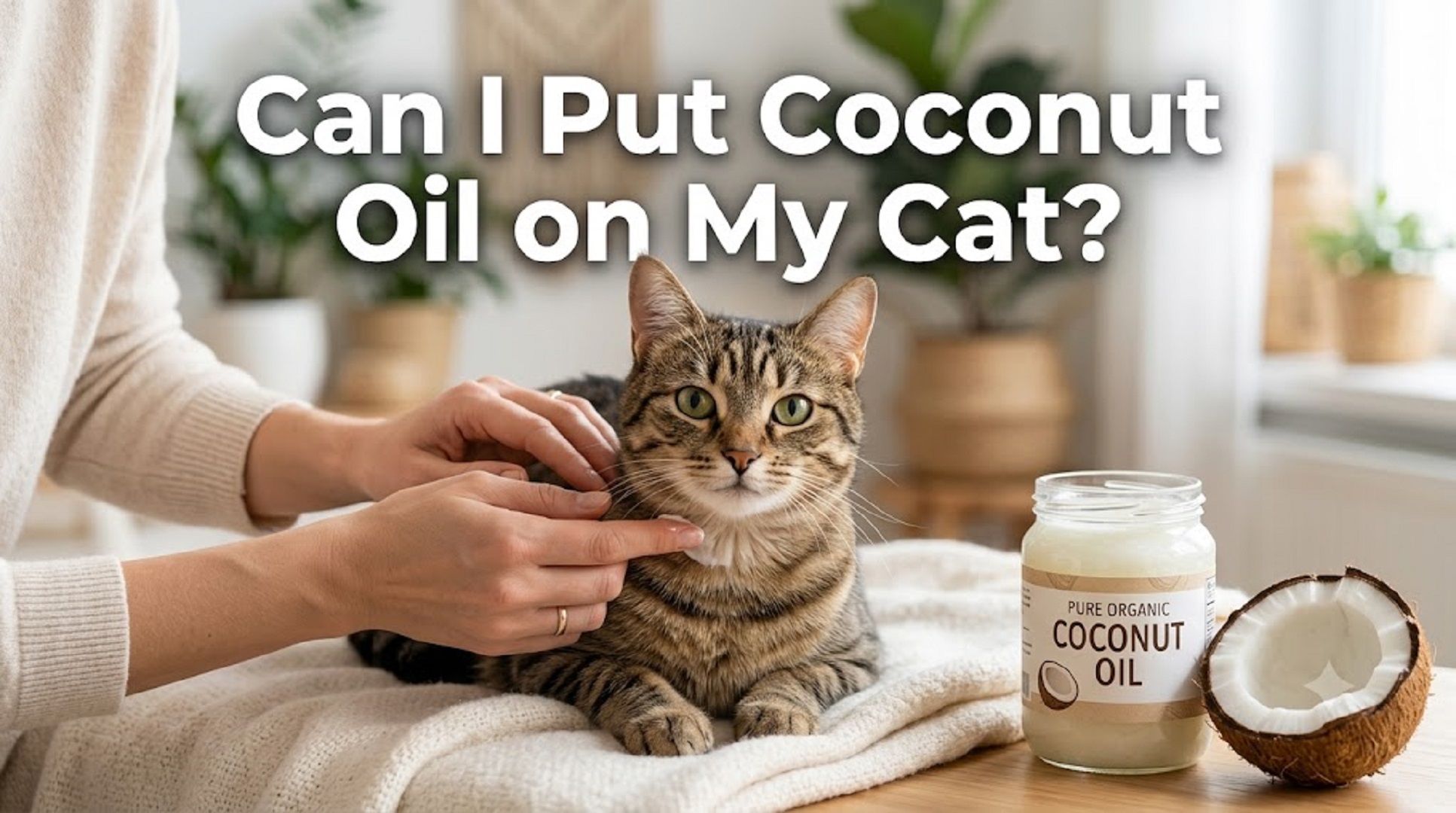
A lot of cat owners look for natural help to make their cats’ skin, coat and overall comfort better. One of the more popular choices is coconut oil, which has been touted for its moisturizing effects and health benefits. But, before applying any home cure, it is important to know what benefits and dangers it could have. Often, a veterinarian will be asked whether it’s safe to put coconut oil on a cat. It is not always easy to find out the answers. Coconut oil can be beneficial for some cats in certain situations, but should be used wisely and should not be a complete and total solution. When it comes to taking care of your pet’s health, it’s essential to be aware of what the experts have to say and what research is available.
Understanding Coconut Oil
Coconut oil is made from mature coconuts and has a lot of saturated fats, including medium-chain triglycerides. These fats have taken centre stage in the human and animal health world. Plus, coconut oil is readily available, not too expensive and easy to apply. Many pet owners use it as a moisturizer, as it is good for the skin. Natural products, however, are not always safe for all animals and knowledge is necessary before using.
Cat Owners Find Benefits Of Coconut Oil
Coconut oil is commonly used by pet owners as a remedy for dry skin, discolored coats, minor irritation and shedding. Also, social media and online communities often tout coconut oil as a natural alternative to commercial grooming products. While there is anecdotal evidence of benefit, there are some areas where there is limited scientific evidence. Therefore, it is important to understand realistic expectations and not expect natural products to be a substitute to veterinary attention when health issues arise.
Is it okay for cats to have coconut oil?
Yes, you can put coconut oil on your cat, but only under certain circumstances and with the right precautions. External use of small amounts of coconut oil is considered safe for healthy cats by many vets. Safety, however, relies on the cat’s health and skin condition, grooming behavior and amount applied. As a result, coconut oil should be considered a product that can be used for grooming, but not for curing any underlying medical issues.
What the Research Says about Coconut Oil
There are still not many studies that have been conducted on coconut oil and cats. There are however some animal studies that indicate that coconut oil could potentially benefit skin hydration and barrier function in certain animal studies. In addition to this, the acids that are present in coconut oil can help to lessen the loss of moisture from the skin. Despite the findings, veterinary experts recommend further studies to make general health statements. Thus, coconut oil needs to be used as a tool and not a cure.
Coconut Oil’s Impact on the Skin
The skin serves as a barrier to irritants, bacteria and allergens from the environment. If the skin is dry or injured, it can cause discomfort. Coconut oil is able to hydrate the outer layer of skin and prevent dryness. Furthermore, it could enhance the softness and appearance of the coat of the skin because of its emollient properties. Overuse can leave a greasy film or can collect debris, however. So, it is essential to use coconut oil in moderation for cats.
Potential Benefits for Dry Skin
Dry skin usually is one of the most frequent reasons that owners consider using coconut oil. Skin dryness can also be caused by environmental factors, seasonal shifts and grooming practices. When used properly, coconut oil can be used to restore moisture and enhance comfort. In addition, some owners have reported that their pets’ coats look better and are flaked less after using it in limited amounts. Results will differ from cat to cat, but in some cases, a topical application every so often can provide temporary relief from mild dryness.
Can I Put Coconut Oil on My Cat for Coat Health?
Many cat owners wonder if they can add coconut oil to their cats’ food to boost their coat’s quality. Sometimes, the answer is “yes. Coconut oil can help to keep the hair fibers smooth and prevent dryness that could cause frizzling, which may help create a shinier coat. Furthermore, if proper nutrition and grooming are practiced, this can help maintain the condition of the coat even more. While topical products are important, healthy fur is mostly a result of overall health and balance nutrition. Coconut oil thus should be used in conjunction with proper care not as a substitute for it.
Minor skin irritation and coconut oil
Coconut oil is sometimes used as a treatment for mild skin irritation in the absence of any actual medical problem. It has a moisturizing effect which can soothe minor discomfort due to dryness. But, coconut oil should never be used as a replacement for a veterinary diagnosis. If itching, redness or hair loss persists or if a skin lesion occurs, there is likely a problem that needs professional treatment. Then it is even more important to have a diagnosis of the underlying cause than to cover the symptoms using topical products.
Understanding Grooming Behavior
Cats lick and scratch themselves a lot during the day. Therefore, anything placed on their fur can be eaten later. This is a very cat-like trait and plays a role in product safety factors. Usually very little coconut oil is non-toxic, but when consumed in large quantities it can upset the stomach. Owners should therefore use the minimum amount necessary and watch their cats closely following the application to make sure there are no problematic reactions.
Risks from over application
Excessive amounts of coconut oil can cause a number of issues. One of the primary concerns is that greasy fur can attract dirt and debris, which can lead to a less clean and hygienic fur. Second, over-grooming can result in higher ingestion. Third, there could be a skin irritation or blocked follicles. More isn’t always more then, as a result. Small quantities and the cat’s reactions will reduce risk and enable owners to assess potential benefits in a safe way.
The digestive problem of ingestion
Ingestion is one of the biggest issues concerning the use of coconut oil in cats because cats groom themselves frequently. Eating too much can cause stomach upset, diarrhea or vomiting. Plus, some cats are more sensitive than others, and they may respond more. This means that coconut oil should be used sparingly and discontinued if digestive symptoms occur. If unusual reactions do occur after exposure, veterinary consultation is recommended.
Can I Put Coconut Oil on My Cat if They Have Allergies?
Owners may wonder, can i put coconut oil on my cat if he/she has allergies? This will depend on the situation. Allergies are frequently a complicated immune reaction that can only be diagnosed and treated by a physician. Although coconut oil can temporarily hydrate dry skin, it will not cure allergic reactions. Veterinary advice will therefore be required at all times if allergy is suspected. Home remedies are not sufficient for long-term relief; proper treatment will help with that.
When Coconut Oil Is Not Recommended
There are however, a number of situations where coconut oil is not the best choice. Topical treatments should not be used on cats with open wounds, infected skin, severe dermatitis or an undiagnosed skin condition without a veterinarians prescription. Also, if the cat is overweight or has digestion problems, it may need special attention due to possible ingestion issues. Thus, it is essential to know about each animal’s health before introducing new products, even coconut oil, to their body.
Veterinary Opinions about Coconut Oil
Veterinarians don’t consider coconut oil to be a harmful supplement, as long as it is used responsibly. But most professionals stress that it must not be a substitute for evidence-based therapies. Also, watch out for exaggerated online claims for miracle cures, according to veterinary experts. Some skin infections, allergies and serious medical disorders cannot be treated with coconut oil – it is not a cure for these problems, but rather it can help support the hydration and condition of the skin. For responsible use, therefore, realistic expectations are crucial.
Coconut Oil vs Commercial Grooming Products
Many commercial hair and skin products are made with an emphasis on the needs of a cat’s skin and coat. Many include balanced ingredients to clean, moisturize and protect, but do not leave a build-up. Also quality products are safety tested for grooming. Some people find that coconut oil can have certain benefits, but with special products, it can have more consistent effects. Owners should do their homework and consult with their veterinarian before deciding on grooming solutions, though, because of this.
Why Good Bathing Habits Matter
Wearing neat and tidy attire will help maintain the health of the skin and coat. Coconut owners often investigate the many other products associated with coconut oil, like feline shampoos. A suitable shampoo will get rid of dirt, allergens and excess oils without harming the skin barrier. Additionally, regular grooming will promote the spreading of natural oils over the coat. Home remedies may not always be as effective as safe grooming combined with help from a professional.
Symptoms when Cats may not tolerate Coconut Oil
In most cats, small amounts of cat repellent are not a problem when used topically. Owners should watch for any signs of problems, including scratching, redness, swelling, stomach upset, or behavioural changes. Also, too much grooming after application could be a sign of discomfort. Stop using immediately and consult a veterinarian if any symptoms are of concern. If adverse reactions are recognised early, small issues can be avoided escalating to more serious health issues.
Coconut Oil and Mouth Washings
Oral exposure should be considered as cats are known to ingest some oil during grooming. Low doses typically are not enough to cause significant toxicity in healthy cats. But frequent over consumption can cause stomach upset. If the GIT is irritated, the owner may see symptoms like cat drooling or nausea. However, proper application and monitoring still plays an important role in the safe use of coconut oil.
Myths about Coconut Oil
There are a lot of myths associated with coconut oil for pets. Some say it is a cure-all solution for all skin issues, and others say that it is entirely safe. Both of these assumptions are incorrect. While coconut oil can be helpful in some situations, it’s not the right choice for everyone. Also, the inappropriate use can cause complications. So, it is always best to take evidence-based information and veterinary advice over online trends and anecdotal claims.
Using Coconut Oil Safely
When used under the care of a veterinarian, begin at a very low dosage. Apply a thin layer to the affected area by rubbing it between your hands. Don’t use too much and don’t get in the eyes, nose, or mouth. Also observe your cat for a few hours since. Phases enable the discovery of sensitivities and reduced risk of potential hazards. This prudent strategy facilitates safe and effective utilization.
Alternative Solutions for Skin Problems
Coconut oil doesn’t work for all skin problems. Medicated grooming products, allergy management plans, specialized diets and veterinary-prescribed treatment can frequently be more effective for certain conditions. Furthermore, finding root causes is a key element to success in the long term. As such, coconut oil can be used as a single remedy in many situations, but not all, to help treat skin and coat problems.
Conclusion
The best answer to i put coconut oil on my cat is that it is actually safe to use for many healthy cats, however, when used responsibly on a small amount of the body. Coconut oil can be used to moisturize dry skin and help to enhance the look of coats, but it’s not a cure-all solution. Also, overuse can lead to digestive upset, greasy fur or irritation. Owners can determine if coconut oil is a beneficial addition to their cat’s grooming routine by using moderation, consulting a veterinarian and watching for any adverse reactions.