Blog
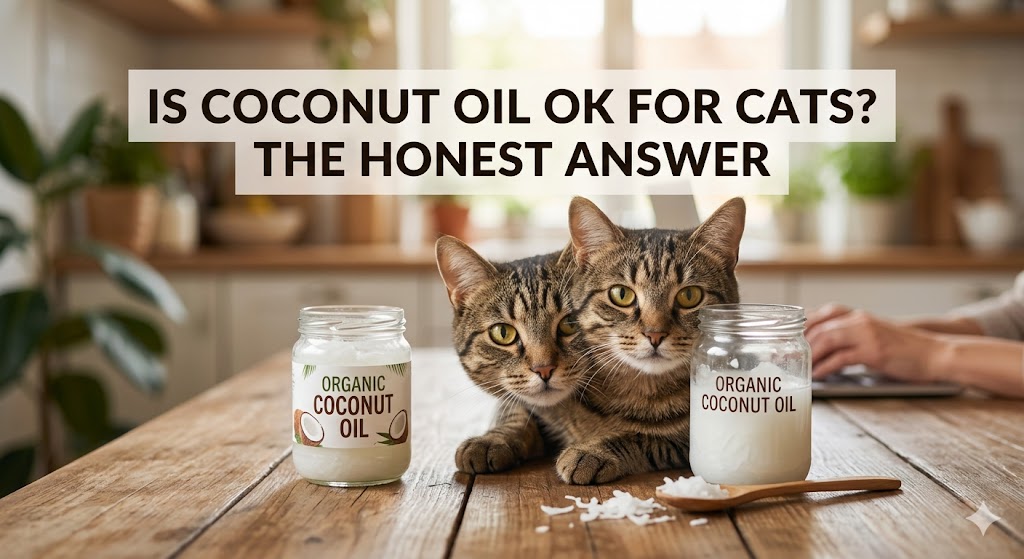
Is Coconut Oil Ok For Cats? The Honest Answer

Most people who have pets seek out natural supplements that can help them stay healthy, and coconut oil often tops the list. But before adding anything to your pet’s diet, you need to know all about the pros and cons of this supplement. Questions like Is coconut oil good for cats keep rising among pet owners, as they try to find out what is best to help their cat be healthy. Knowledge is power.
What Is Coconut Oil?
Coconut oil is an oil derived from mature coconuts. What makes this oil special is that it has medium chain triglycerides, or MCTs, which are fats that bring numerous health benefits. Another component is lauric acid, which is known as a fatty acid with antibacterial properties. People add coconut oil into their meals and use it for various reasons, but cat owners would like to learn more about its health benefits to their cats.
Why Cat Owners Are Recommended to Try Coconut Oil
People who own pets may turn to nature in attempts to deal with common pet health problems like dry skin or coat, formation of hairballs, or digestive complications. Often, they are encouraged to try using coconut oil to fix all these things. Some also believe that it is able to provide immune system support and anti-inflammatory properties. All these facts might be true, but one has to remember what is proven scientifically, not advertised.
Can Coconut Oil Be Used as a Supplement by Cats?
Yes, the coconut oil might be considered safe for many cats in case it is given in small amounts. Nevertheless, being a carnivore by nature, a cat needs a specific nutrition that differs much from that of a human. Moreover, high-fat diets are associated with health issues like obesity, digestive disorders, or pancreatitis. Therefore, coconut oil should be used only as an addition to the diet of a cat.
Nutrition Facts About Coconut Oil
First and foremost, coconut oil is predominantly made up of saturated fat content. In contrast to other plant-derived oils, it has unique medium chain fatty acids, which can be processed differently by the body. Furthermore, it can give an instant energy boost to the cat’s body. Nonetheless, one should note that coconut oil is deficient in vitamins and minerals required by cats through animal products.
Potential Health Effects on the Skin
A major benefit attributed to the usage of coconut oil is its effect on the health of the cat’s skin and fur. Cats having dry skin conditions can get improved skin health when using coconut oil correctly. On top of that, it helps to moisturize skin in dry regions. But the problem with skin diseases lies in their cause, which must be addressed effectively.
Appearance and Gloss
It is often said that a beautiful shiny coat indicates good health. There are many pet owners who have experienced an improvement in their cat’s coat texture due to adding small amounts of coconut oil. Besides, fatty acids help to keep the skin hydrated. Nevertheless, good cat food is sufficient to give a proper nutritional value. Coconut oil is optional.
Benefits for the Cat’s Digestion and Hairballs Removal
Many pet owners believe that coconut oil promotes cat’s digestion. Furthermore, due to the lubricating effects, it facilitates the elimination of the swallowed hair. Although there are many positive stories from pet owners, research evidence on this issue is scarce. If you want to try it out yourself, be careful and monitor your cat closely.
Is Coconut Oil Okay for Cats with GI Issues?
Cats experiencing problems with their digestion require extra care. Even though coconut oil does not have a negative impact on all cats’ health, some experience diarrhea, vomiting, or other adverse reactions. Besides, cats with sensitive stomachs are more susceptible to negative impacts of any supplements. Thus, be very cautious about introducing coconut oil to your pet’s daily routine.
Potential Risk Factors
Each product is likely to pose potential risks for the body, even if it is derived from natural sources. In the case of coconut oil, its high content of fat does not always benefit cats. Moreover, an overindulgence in such food may lead to obesity and gastrointestinal disorders.
Risks of Obesity
As coconut oil is quite calorie-packed, overeating can lead to weight issues for your pet. Although it takes just a little of it, those calories do get added to your cat’s diet and can result in obesity. Overweight cats are prone to developing diabetes and arthritis, among other health complications.
Risk of Pancreatitis
Pancreatitis implies inflammation of the pancreas that can develop into a very dangerous condition. Sometimes, fatty products can lead to such inflammation. Moreover, cats that have ever had pancreatitis must follow a very strict diet plan. Such pets are advised not to consume coconut oil.
Allergies and Sensitivities
While rare, there is a possibility that your cat may not tolerate coconut oil. This can result in digestive problems, irritations, or changes in behavior after consumption. Moreover, every pet responds differently to different substances, and introducing supplements slowly helps in identifying such sensitivities early.
Is Coconut Oil Okay for Cats when Used Topically?
The external application of coconut oil is another popular method of usage. Some people rub a little amount of the oil on patches of dry or flaking skin, paw pads, or other areas. Additionally, coconut oil may serve to hydrate the area and make it more comfortable. Nonetheless, since cats groom themselves constantly, topical products tend to be consumed. Hence, even externally applied coconut oil needs to be used cautiously.
Coconut Oil and Grooming
Cats are known to spend quite some time grooming themselves. Therefore, any substance rubbed into the fur will likely end up being ingested. Moreover, too much use of a substance topically may make the fur greasy and attract dirt. Hence, while you can use small amounts, moderation is still key.
How Can Coconut Oil Help Hairballs?
Hairballs develop when ingested hair collects inside the digestive system. Some people believe that coconut oil could help prevent hairballs from developing. On top of that, the lubrication properties of coconut oil could contribute to better hair movement through the digestive tract. Nevertheless, proper grooming and sufficient hydration will be more effective measures against hairballs.
Other Natural Supplements for Cats
However, there are other supplements besides coconut oil that could be considered. It all depends on what your cat needs, and thus there might be supplements that would suit it better. Another issue that people often consider when looking for alternative foods is can cats eat seaweed. This foodstuff is gaining popularity in pet nutrition nowadays.
Finding Quality Coconut Oil for Your Cat
When opting for using coconut oil for your feline friend, pay attention to product quality. As mentioned previously, virgin coconut oil will probably go through less processing than refined coconut oil. Furthermore, try to purchase products without any additives.
What Amount of Coconut Oil Can Be Given to Cats?
The amount of coconut oil depends on the cat’s size, current state, and other factors. In most cases, cats need very small amounts of the product. Moreover, introducing the oil gradually will help reduce the risk of any digestion issues. Too quick an increase in dosage can cause some negative effects, including diarrhea.
Observing the Effects of Coconut Oil on Your Pet
In case of adding any supplements, your pet should be carefully observed for several days. Any change in behavior or diet should be considered a red flag. In case any adverse effects are noticed, it is recommended that you stop giving coconut oil and seek medical advice immediately.
Is Coconut Oil Good for Cats Compared to Other Supplements?
Some people who care for their pets often wonder about coconut oil’s advantages compared to other products. While coconut oil can offer some health benefits, other supplements can be much more beneficial because of their protein content. In addition, some treats like dried minnows for cats are better suited to felines’ dietary requirements.
General Recommendations by Veterinarians
Balanced nutrition should be a priority. Coconut oil may be used occasionally as an additive but should not be the basis for a cat’s diet. Also, a veterinarian’s opinion can help in deciding whether coconut oil is appropriate for specific cats considering their age, weight, and health background.
Myths Related to Coconut Oil and Cats
There are various online opinions concerning the curative properties of coconut oil for cats. Nonetheless, most of these claims do not seem to be grounded on science. In addition, excessive reliance on coconut oil at the expense of proper treatment may postpone necessary action.
Older Cats and Coconut Oil
Seniors often have special nutritional requirements. For example, although older cats might benefit from coconut oil consumption, there may be underlying health problems in some individuals that call for particular dietary restrictions. Age-related factors such as obesity and pancreatitis matter too.
Kittens and Coconut Oil
Kittens need to have perfectly balanced nutrition for proper development. The addition of any other products will only unbalance them. Moreover, the stomachs of small animals are still very sensitive to any external factors. In general, it is best to consult a veterinarian before administering coconut oil to kittens.
When to Stop Using Coconut Oil
Coconut oil must be stopped being consumed if digestion disturbances occur, the animal shows signs of digestive issues such as vomiting, change in behavior, diarrhea, or loss of appetite. Furthermore, if the problem with skin becomes worse, then it is likely something else that needs to be done. Regular observation will help identify any unwanted symptoms from the introduction of coconut oil to cats.
Conclusion
So, Is coconut oil ok for cats? Yes, but again, there are a few things that need to be considered before making up one’s mind. In general, coconut oil will bring minimal benefits to a feline’s skin health, improve coat and hairball elimination. However, it won’t be a miraculous product and will have a number of disadvantages, for instance, weight gain. To prevent negative consequences, the introduction of the product should be done with extreme caution.