Blog
Cat Hernia After Spay Explained: A Complete Guide

Spaying is one of the most widely and most helpful surgeries that can be done on female cats. It can help prevent unwanted pregnancies, decrease the risk of some diseases and can have a positive impact on overall health. But, as with any surgery, there are risks of complications sometimes. There is one issue that is a concern to most cat owners: cat hernia after spay. This is a fairly rare complication, but being aware of the risk factors, signs and symptoms, treatment and prevention can help cat owners respond promptly and keep their feline friends safe and comfortable following surgery.
Cat Hernia After Spay?
A hernia is an area of weakness in the wall of the abdomen or groin that allows the tissue or an organ to protrude through. A cat hernia after spay is a condition that can develop after spay if there are problems with the healing of the surgical wound. Sometimes, abdominal tissue may bulge through the weak spot at the surgical site. While the vast majority of cats will heal without any problems, the owner should keep a close watch on the incision area during the healing process to see if there are any problems that might arise before it gets too serious.
Understanding Why Cat Hernia After Spay Can Occur
After spay, a cat hernia typically occurs if the abdominal wall does not heal properly. This may occur from over activity, infection or poor healing of surgical incisions or from unanticipated stress on the incisions. In addition, there may be parts of the cat’s body that have underlying medical issues that can impact tissue repair. While every possible measure is taken by a veterinarian during a surgical procedure, there is no surgery that is entirely without risk. When owners are aware of these factors, they can take preemptive steps and help ease the recovery process.
What is the incidence of hernias after a spay?
Luckily, hernias post-spary surgery are fairly uncommon. In most cats, there is no complication of healing within a few weeks. Even uncommon risks should not be overlooked, however, because they can be treated more successfully if detected early. After surgery, veterinarians will give a lot of information about what you can do to prevent complications. Careful adherence to these guidelines by the owner can greatly reduce the risk of a hernia developing during the post-operative recovery period.
The Healing Process After Spay Surgery
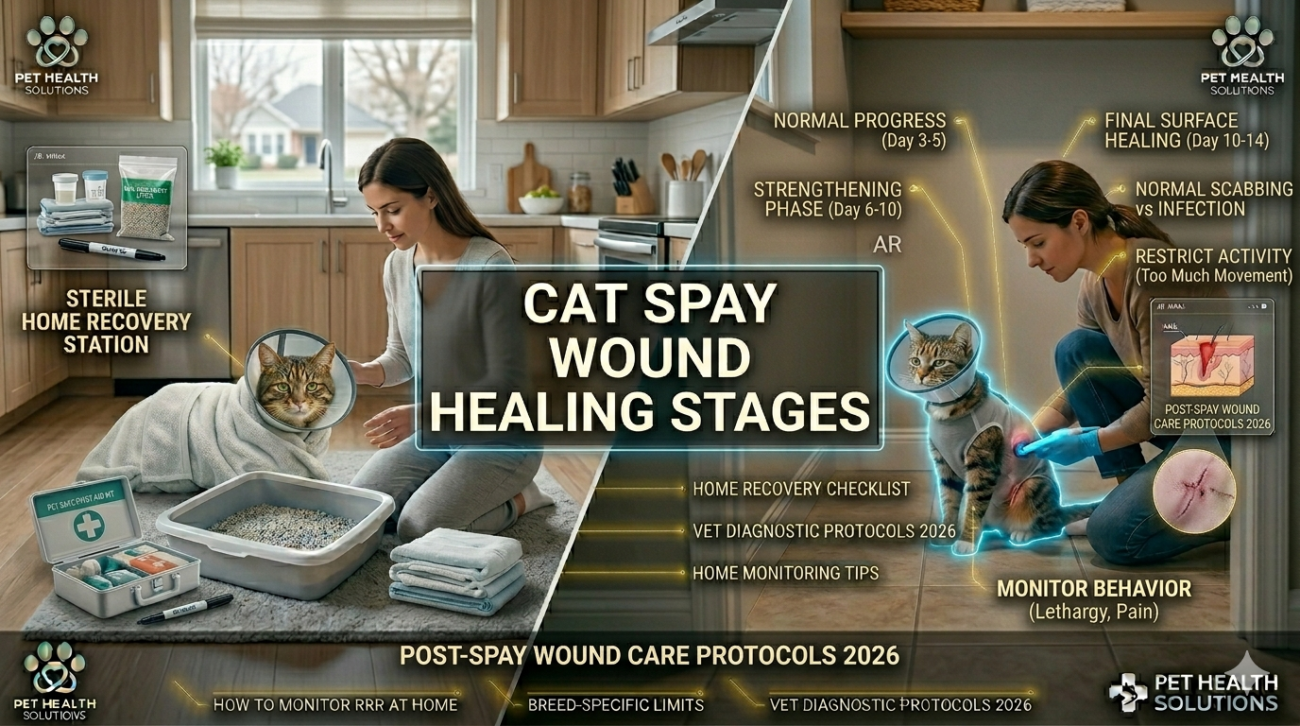
It helps to understand how hernia develops if it is known how the healing of wounds is supposed to take place. Once the operation is completed, the body starts the healing of the damaged tissues right away. The healing process of the incision involves blood clotting, inflammation, growth, and remodeling. In this time it is a risk to stress and damage to the surgical area. Therefore, it is essential to restrict physical activity and avoid too much jumping. Healing establishes a robust tissue barrier to stop abdominal organs from coming through weak spots.
There are a number of common reasons for post-spay hernia
Several reasons for a hernia to develop after a spay. Avoid overuse, as it can compress healing tissues, such as running, jumping, climbing, or rough play. Also, when the incision is licked or chewed, it can lead to a weaker point of the surgery. An infection may also disrupt the normal healing process and raise the likelihood of complications. In addition, obesity can cause additional stresses to the abdominal wall. When you know what to look out for, you can set up a safer recovery environment for pets.
Signs and symptoms cat owners need to be aware of:
It’s important to identify early signs and symptoms so that treatment can be given early. A soft or firm bulge around the surgical scar is one of the most common symptoms. The swelling can come on suddenly or slowly grow larger. A few cats might feel pain, have a poor appetite, be lethargic or touchy when the region is touched. Also, if there is any redness, discharge or remarkable swelling around the incision, it should never be ignored. When there is some abnormal healing signs, immediate veterinary evaluation is recommended.
It is important to distinguish Normal Swelling from Hernia
Small swelling following an operation may be a normal section of recuperation. But sometimes it is not easy to tell if the swelling is normal or a hernia developing. Most swells will be normal and will diminish with time and will stay fairly steady. Unlike this, a hernia can form a bulge that can grow and soften or harden. Also, hernias may be soft and movable under the skin. When in doubt, it is best to consult a veterinarian rather than risk any additional problems.
Early diagnosis is critical because:
Early diagnosis will help the treatment to be effective and will help to avoid the complications from getting worse. A small hernia might not need the same level of intervention as a larger-sized hernia. Also, untreated hernias can lead to increased risk of tissue damage, pain, and even health complications. Veterinary examinations can help identify the severity of the condition and recommend treatment. So, it is best to seek immediate veterinary care when symptoms occur, to help keep a cat healthy.
Veterinary Examination and Assessment
The veterinary will conduct a full physical check of the suspected hernia. They examine the dimensions, position and severity of the protrusion, looking for any symptoms of infection or damage to tissues. Furthermore, they analyze the cat’s medical history and recovery. This is a thorough evaluation in order to find the best course of action for treatment. Because it’s crucial to differentiate between a hernia and other bumps found around a surgery site, an accurate diagnosis is a must.
Diagnostic Tests Used to Confirm a Hernia
The Diagnostic imaging may be recommended for confirmation of diagnosis by a veterinarian. Internal tissue movement can be shown in an ultrasound examination and affected tissues can be detected. Sometimes radiographs are useful to assess the severity of the problem. These diagnostic tools can be used to gather valuable information that will help inform treatment planning. In addition, imaging can be used to differentiate hernias from fluid build up, inflammation, or other postoperative issues. Correct testing will lead to proper treatment for the cats condition.
Treatment Options for Cat Hernias
The treatment will depend on the severity of the hernia and the health of the cat. If the small hernias are not very dangerous, they might need to be watched. But, for many cases, surgery can be helpful. During corrective surgery, the vet will realign displaced tissues and reinforce the weakened abdominal wall. The procedure will restore the normal anatomy and the risk of future problems will be decreased. Treatment usually is effective and cats can go back to their normal habits.
Restoration of surgical procedures explained
The purpose of hernia repair surgery is to close the defect in the tissue and strengthen the wall of the abdomen. Carefully, veterinarians re-insert any tissues that have been displaced, and then repair the area that has been weakened. If the condition is serious, some special surgical methods can be used to provide extra support. Cats will need close supervision and limited movement after surgery to help heal the wound.
Recovery following Hernia Repair Surgery
After hernia repair, patients usually recover with rest, medication, and regular monitoring. Pain relief and, if indicated, antibiotics are regularly prescribed to aid healing. Owners should restrict or prevent strenuous activities and keep cats indoors during recovery. In addition, licking and scratching is still a problem that must be avoided. With good care, most cats will recover. Regular check-ups enable vets to track the patient’s progress and deal with any issues that may arise early on to prevent problems from worsening.
Potential Complications of Untreated Hernias
Failure to treat a hernia properly can cause major problems. As the defect gets larger, more tissue can bulge through the weak spot. In severe cases, blood flow to trapped tissues may be cut off. It can quickly turn into a medical emergency and need urgent attention. Further, untreated hernias could cause life-long discomforts and affect a cat’s quality of life. There are no good remedies for the severe complications if treatment is not given early.
Prevention of Hernias after Spay Surgery
The prevention process starts right after the surgery. All post-surgical veterinary guidelines should be strictly adhered to. One of the most crucial preventive measures is to limit the amount of physical activity on the healing process. Plus, an Elizabethan collar will help avoid excessive licking or chewing. Having a clean recovery area helps to ensure a proper recovery. This will decrease stress on the incision, and help the tissue heal properly, decreasing the chances of hernia formation.
Importance of Activity Restriction
Leaping and exploring are common feline behaviors and may make recovery difficult. However, restriction of activity is necessary following surgery. Too much movement can cause the tissues to be stressed, and lead to wound complications. Owners might need to temporarily restrict cats to a smaller area of the house to stop them climbing and running. While such limitations may seem cumbersome, they are essential for promoting effective healing and reducing the risk of complications after the surgery.
Nutrition and Healing Support
Proper nutrition plays a major part in healing and recovery. Protein, vitamins and minerals are provided from a balanced diet for wound healing. Also, weight control will help to alleviate stress on the abdominal wall. Fresh water should never be absent, since it can be used to help with hydration. Depending on the cat’s age, health and recovery needs, they may be advised to make certain changes to their diet. Good nutrition boosts the body’s own healing mechanisms and enhances the benefits.
Monitoring the Incision Daily
Owners can identify the abnormalities before the symptoms become severe by observing them every day. The wound should reopen properly, stay moist and dry and heal over time. If there is mild redness right after surgery, this is okay; however, if the redness gets worse, you need to take care of it. Swelling, discharge, strange odors or changes in behavior should also be looked for. Photographs can be useful to monitor healing. Regular check-ups are especially important for early detection of potential complications.
Questions to ask the veterinarian:
In order to recover, communication with veterinary professionals is crucial. Owners should inquire about the expected timeline for healing and what types of activity are okay, any medications to be administered, and any warning signs that would need to be treated right away. The knowledge of normal versus abnormal helps diminish anxiety and enhance decision making. Additionally, having a follow-up appointment discussion helps to monitor throughout recovery. Knowing the facts enables an informed owner to better care for the animal and act in case of problems.
Useful Health Monitoring Tools for Cats
Today’s pets’ health continues to be guided by new technologies. For instance, if a cat has a medical condition that needs constant monitoring, a cat blood pressure monitor might be suggested for certain vets. Although these gadgets have nothing to do with hernia formation, they illustrate the value of proactive monitoring in feline health care. Likewise, the knowledge of recovery signs following surgery can help owners recognize potential issues in a timely manner and get veterinary advice early on to prevent problems.
Learn more about cat health
Owners who take the time to learn about their cats’ health are more likely to offer preventive care. Discussions on nutrition, behavior, and exercise activities can help enhance long-term wellness. Moreover, the fast cat near me searches can assist pet owners in finding activities and education for their pets. The knowledge plus regular veterinary care is a solid foundation for feline health and a happier, healthier life for cats of all ages.
Conclusion
Once the cat hernia after the spay has occurred, it can be a worrying event, but knowing what is going on can help owners to act fast and effectively. Successful recovery depends on early diagnosis, timely treatment, adequate recovery and prevention. While hernias are relatively rare, it is still important to keep an eye on the area where the surgery was performed and to adhere to the surgeon’s advice. Most cats make a full recovery and live normal, healthy, active lives after being spayed with proper care and veterinary assistance.