Blog
Can Cats Have Coconut Oil? A Clear Vet-Backed Guide for 2026

It is perfectly okay for cats to eat coconut oil in small amounts, yet the amount needs to be kept under control all the time. The presence of medium-chain fatty acids in coconut oil can improve skin health and digestion and benefit coat condition as long as they are consumed in reasonable amounts. Yet, too much coconut oil can lead to an upset stomach in cats and to their gaining extra pounds, as the coconut oil itself is very rich in fat content. Moreover, not all cats have the same tolerance level to the product. So, careful usage of it is needed.
What Is Coconut Oil?
Coconut oil is derived from mature coconuts. It contains medium chain triglycerides also referred to as MCTs. As compared with other oils, MCTs are metabolized differently and help with quick energy release in the body. Furthermore, coconut oil contains lauric acid, which has certain antimicrobial properties and provides the skin with good hydration. That is why this product is widely used by individuals not only as an edible one but also as an ingredient to make beauty products.
Nutrient Composition of Coconut Oil
Coconut oil is primarily made up of saturated fats, hence its creamy texture at lower temperatures. Unlike cat food, which has a good balance of proteins and minerals, the oil does not have nutrients like vitamins and minerals. On the other hand, it is calorie-dense and loaded with fatty acids. The oil also has trace elements that may boost a cat’s health. For example, the oil has antioxidants and antimicrobial properties that may positively impact skin health and digestion. Since cats need protein-rich foods more than fatty oils, the former should not be a substitute for the latter.
Uses of Coconut Oil for Cat Skin and Fur
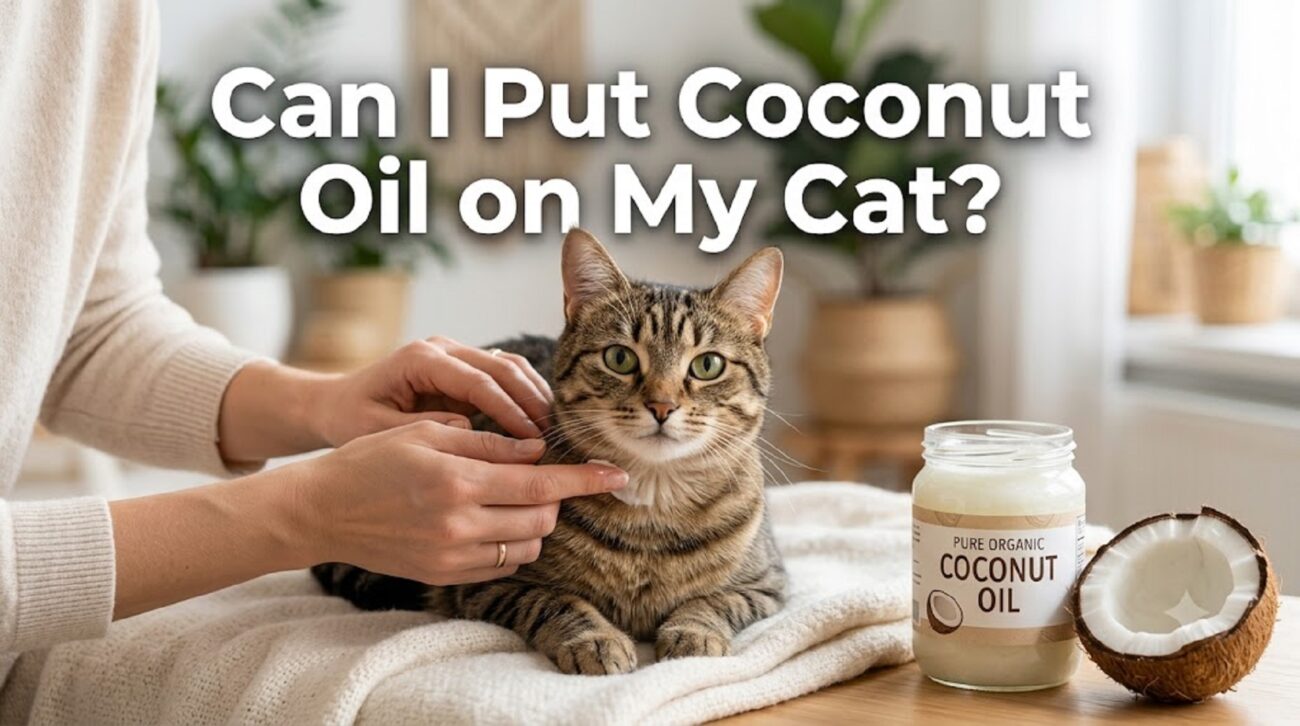
Coconut oil is commonly used to maintain cats’ healthy skin and fur. The fatty oils help to hydrate the skin and coat, thus reducing dryness and dandruff. Additionally, it helps to soften fur and minimize shedding if applied properly or in smaller portions. Finally, coconut oil can soothe mild irritation on the skin due to dryness. Too much application of the product can make fur greasy and cause it to attract dust easily.
Coconut Oil for Hairballs
Many individuals think that coconut oil is beneficial when it comes to reducing hairballs since the oil might serve as a good lubricant for the digestive tract. In this way, instead of being accumulated within the stomach, the swallowed hair would be able to pass through it without causing any issues. Also, coconut oil could potentially promote smooth digestion in cats who suffer from excessive grooming. It would be particularly useful for long-haired breeds since they are more prone to hairballs than others. Nevertheless, an excess of the oil could result in diarrhea and other stomach issues, which is why pet owners need to use only tiny amounts of it.
Can Coconut Oil Help Digestion?
Coconut oil could also aid digestion in some cats because it contains fats that are easier to digest than those present in other types of oils. Moreover, a small amount of the product could contribute to making stools easier to eliminate and prevent mild constipation in some instances. The owners have claimed that their pets also showed enhanced digestion and appetite after including the oil into their food. However, there is little evidence that supports these statements scientifically.
Coconut Oil for Skin Irritation in Cats
There are some people who give their cats a little bit of coconut oil for treating the symptoms related to skin irritation or allergic reactions. The oil may provide temporary relief because of its moisturizing properties, but it is important to remember that it will not cure your cat’s allergies or skin problems. It can even cause some skin irritations if your pet is sensitive to topical oils. In addition, you should never use coconut oil as the only remedy for skin irritations or other health issues in cats.
Does Coconut Oil Eliminate Fleas in Cats?
A lot of people say that coconut oil helps kill fleas, but there are no scientific facts to prove that statement. First of all, it will be much more difficult for the insects to travel through your cat’s fur because of the thick coating created by the oil. In addition, some people believe that applying coconut oil to the skin can relieve dryness and skin irritations in cats. However, it is not possible to remove fleas with this natural product.
Possible Hazards of Offering Cats Coconut Oil
Despite coconut oil seeming like something natural and harmless, there is also a possibility that this supplement may harm your cat in certain cases. Too much oil consumption may result in vomiting, diarrhea, oily stool, or even stomach pain because of a large number of fats. Besides, there may be additional health risks in case the cat is obese or suffers from pancreatitis. Finally, some cats can simply not like the flavor or consistency. As every cat reacts to fats in a slightly different way, you have to be careful about monitoring the results. Also, in case of already developed digestive or metabolic disorders, you have to get permission from your vet.
Coconut Oil for Kittens
In most cases, it will be better for kittens not to offer them coconut oil until a veterinarian gives the necessary advice on this matter. Kittens need balanced nutrition designed specifically for this period. Besides, there is also a risk of rapid dehydration because of oil consumption that may lead to diarrhea. Due to the fact that young cats’ digestive system is quite sensitive at this age, it would be better to wait before trying this kind of supplement.
How Much Coconut Oil Is Too Much for Cats?
Smaller amounts of coconut oil tend to be safer when considering its introduction to cats. Almost all vets suggest using a very small quantity initially, like a quarter of a teaspoon or even less, depending on the body size and overall health of the animal. Furthermore, it is advisable to blend coconut oil into pet food instead of making the cat drink it directly. Monitoring stool conditions and eating behaviors after trying this method allows early detection of digestive intolerances. Because of being highly caloric and containing concentrated fats, excessive use of coconut oil can cause tummy troubles and excessive weight gain.
What Kind of Coconut Oil Is Best for Cats?
In cases where owners want to apply coconut oil to their felines, finding the right type becomes crucial. Usually, virgin and organic coconut oil will contain far fewer chemicals compared to highly refined products. Moreover, unprocessed oils are considered to be less harmful and provide more benefits. Adding other elements, like flavoring, may irritate some cats. Thus, looking for natural coconut oil that does not contain any additional substances can make the process much safer.
Indications to Cease Coconut Oil Administration
Cats that show signs of vomiting, diarrhea, loss of appetite, and unusual sluggishness following coconut oil consumption must immediately cease usage. Other signs to be wary of include oily hair, increased body weight, or worsening skin irritation. Cats may sometimes also suffer from allergies to this product, but such situations are rare. Due to wide variations in the digestion abilities of individual felines, even low amounts can cause discomfort to sensitive cats. Observing changes in behavior or physical wellbeing is crucial in order to notice any potential side effects in time. Seeking professional veterinary assistance in such cases is also highly advisable.
Vet-Prescribed Substitutes for Coconut Oil
Alternative products prescribed by veterinarians can help address cats’ skin or digestion issues much more effectively than coconut oil does. Omega-3 fatty acids extracted from fish oil are likely to contribute to joint and skin wellbeing more positively than the product in question. Grooming and special diets are effective solutions to the problem of hairballs without any side effects. Allergic skin conditions are best addressed using prescription medicines rather than natural remedies. Considering that natural treatments do not work effectively on all cats, consulting with professionals is very beneficial.
Coconut Oil Introduction Tips for Safety
Cat owners need to be cautious about how to introduce their cats to coconut oil. To prevent digestive issues and ensure that any adverse reactions are observed, owners must start with tiny portions added to regular cat meals and not abruptly alter the diet. Furthermore, it is essential to pay attention to bowel movements, appetite, and energy levels in cats. Obese, overweight, cats diagnosed with pancreatitis or chronic gastrointestinal disorders should steer clear of coconut oil unless recommended by veterinarians.
Conclusion of Using Coconut Oil in Cats in 2026
In conclusion, coconut oil is safe for consumption in cats when used in small quantities. While this substance can promote skin hydration, improve digestion, and manage hairballs effectively, the scientific community lacks sufficient proof to back up other potential advantages. The excessive intake of coconut oil can lead to digestive disturbances and unnecessary harm to health. For these reasons, it is critical to consult veterinarians before adding supplements to felines’ diets in 2026.