Blog
Why My Cat is Drooling? Expert Answers and When to Worry

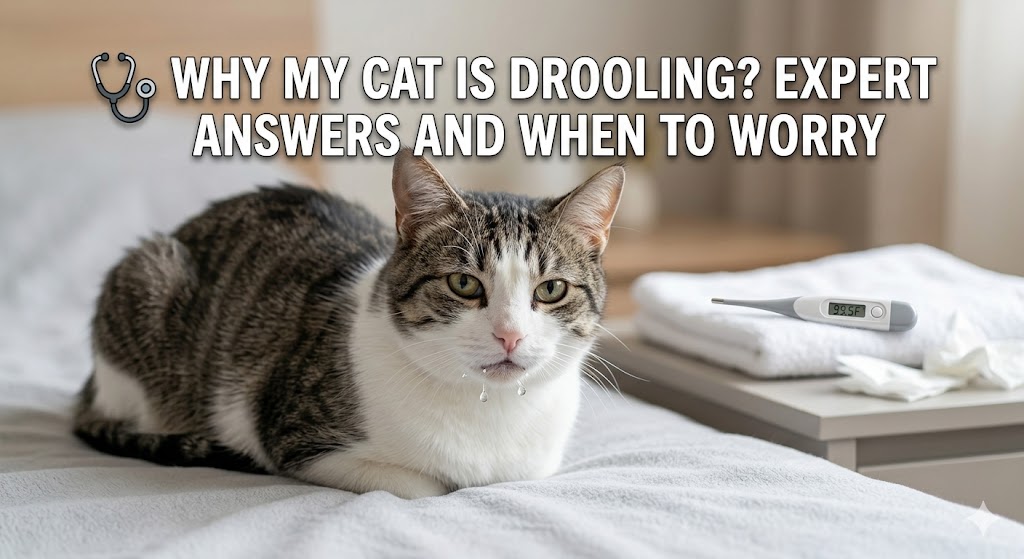
Although cats normally produce some saliva, any unusual drooling is a symptom that may point to a problem. Sometimes cats drool a little bit when they are very relaxed and purring, which happens when they are contented and comfortable. In any case, any sudden drooling that starts continuously cannot be ignored because it usually indicates some sort of pain, disease, or mouth problems. Moreover, a healthy cat does not normally salivate around its mouth. Knowing the differences between happy drooling and problematic salivation helps owners deal with a problem promptly.
Happiness versus Problem Drooling
While some cats drool as a sign of contentment and happiness, others suffer from health issues associated with excess saliva production. Indeed, many cats tend to salivate during petting, napping, and cuddling. However, problem drooling is usually accompanied by other symptoms such as bad breath, attempts to touch the mouth, and appetite disorders. In addition, the process of drooling tends to become increasingly more severe. As a result, one needs to understand the reasons why the cat begins to salivate heavily to make proper conclusions.
Cause Number One Is Dental Disease
The first reason behind excessive cat drooling is dental disease. Indeed, plaque and tartar cause irritation of the gums and teeth. As a result, cats have inflammation, experience pain, produce too much saliva, and face many other problems. For example, the gums may start to bleed, making it difficult for a cat to chew any food without pain. Bad breath is another issue connected with the condition. Many cats prefer soft food since their eating becomes painful due to infections. It is worth noting that the process of infection development usually takes place gradually, so people cannot identify the problem on time.
Mouth Ulcers And Oral Infections
Excessive drooling also happens because of the formation of ulcers and mouth infections. Various diseases, such as viral infections or immune conditions, cause significant tissue damage. In this way, cats begin to drool heavily and try to refuse from any eating activity. Moreover, swollen gums, mouth bleeding, and bad breath are additional symptoms. As mouth pain influences eating and drinking processes, veterinary attention becomes necessary. Thus, treatment is able to reduce swelling successfully.
Injuries and Broken Teeth
Drooling is quite common for broken teeth and injuries that occur inside the mouth because nerve endings are exposed and create a painful sensation for the pet. Cats often damage their mouths during playtime, when chewing on hard objects, and due to injuries suffered during falls. Also, damaged teeth increase the risk of infections because bacteria can move into surrounding tissue. Some cats start pawing at their mouths and refuse to eat anything after they receive an injury. The symptoms of oral pain in felines include excessive drooling.
Foreign Objects Inside the Mouth
Some foreign objects get stuck inside the cat’s mouth and cause severe pain to the animal, which leads to constant drooling. Foreign bodies like bones, string, grass, toys, and other small items get stuck and create irritation and inflammation of mucous membranes in cats’ mouths. Objects that get stuck between cats’ teeth can even lead to more dangerous problems like infection and problems swallowing. Pawing at the face and frequent attempts at gagging indicate that the cat has some object trapped inside the mouth.
Toxic Plants and Poisons that May Cause Drooling
It happens because poisons cause irritation in the mouth and digestive system. Household products, plants like lilies, pills, insecticides, and some foods are among those that may cause drooling and other issues for cats. Moreover, it is important to remember that poisoned animals frequently experience vomiting, trembling, weakness, etc., along with drooling. In addition, poisons may harm the vital organs quickly if the treatment is delayed. Thus, if a pet owner suspects that a cat is poisoned, he/she needs to take it to an emergency veterinary clinic immediately. It is also crucial not to let a cat come into contact with poisonous items.
Drooling Caused by Stress and Anxiety
Moreover, cats may start drooling because they are stressed or scared because nervousness has a huge impact on the animal’s physiology. A cat’s saliva production increases when it experiences any kind of stress: riding in a car, going to a veterinary office, being exposed to noises, etc. An anxious cat hides and shakes while making strange sounds at the same time that it starts drooling. Moreover, motion sickness makes the situation worse for sensitive animals during a car ride.
Nausea and Digestive Disorders
Cats that experience nausea tend to have excessive drooling since the saliva output is higher in preparation for vomiting. Conditions that lead to drooling related to nausea include digestive disorders, hairballs, ingesting spoilt food or having an ill stomach. Lip smacking, repeated swallowing, loss of appetite before vomiting can be experienced when suffering from digestive distress. Since nausea could point to a more significant problem, it is vital to seek medical assistance. Freshening up water intake will help in ensuring optimal digestion while avoiding consumption of spoilt foods.
Respiratory Problems
Cats might be forced to drool due to respiratory infections. Congestion and the discomfort that accompanies the infections affects swallowing hence increased salivation. Upper respiratory infections lead to coughing, discharge from the nose, sneezing, runny eyes, and fever among other symptoms. Infections that cause mouth ulcers can cause significant drooling. Both kittens and older cats may suffer the effects of such infections because their immunity levels are lower compared to healthy adult cats. Cats with respiratory infections spread rapidly hence need to be kept separately.
Symptoms of Heat Stroke or Overheating
Heat stroke or overheating can be another reason for excessive drooling since cats have difficulties regulating their body temperature when exposed to high temperatures. While dogs may start panting due to excessive heat, this is rather uncommon for cats unless there is severe stress involved. On top of that, cats with high body temperature may look weak, restless, or disoriented while drooling excessively. In such cases, prompt action is necessary since heat stroke is very dangerous and can lead to death. To protect cats from overheating, it is necessary to create appropriate conditions, like providing shady places and enough ventilation and water.
Dangerous Symptoms Accompanying Cat Drooling
Cat drooling may sometimes be not a sign of anything serious, but there are specific situations when one should contact the veterinarian right away. These include drooling accompanied by bleeding, breathing difficulties, swelling, severe weakness, seizures, and inability to eat. Moreover, if a cat has started drooling right after being poisoned or having experienced trauma, it will be necessary to get veterinary help quickly. Also, if the problem with drooling persists for several days, professional help is needed in order to prevent any complications.
How Diagnosing Drooling in Cats Is Done
Vets use thorough physical and mouth examinations when diagnosing drooling causes. Firstly, the mouth, teeth, gums, and throat need checking for any injuries, diseases, or foreign bodies that could be present there. Moreover, blood tests, dental X-rays, or other types of imaging may become necessary to detect some underlying condition affecting saliva production. Considering the diversity of possible causes of drooling, an accurate diagnosis becomes particularly important for successful treatment. Cat owners need to provide detailed descriptions of symptoms, meal times, and behaviors during appointments.
Methods for Treating Excessive Saliva Production
A lot will depend on the specific cause of excess drool. For example, the veterinarian might carry out dental cleaning, extracting diseased teeth, or prescribing medicines for infections and inflammation. In case of poisoning, the immediate treatment is essential. Moreover, if drooling occurs due to the presence of stomach problems or nausea, antinausea drugs and a special diet may help relieve symptoms. As stress may lead to salivation as well, certain calming measures may prove helpful as well.
Home Care and Prevention Suggestions
Proper home care practices can minimize the risk of excessive drooling in cats. First, it is essential to ensure that the animal has optimal oral hygiene. To do so, brush its teeth regularly, give dental treats, which will prevent plaque accumulation and gum pain. Second, it is important to eliminate any poisonous and potentially harmful elements from the household since cats love to explore their environment. Moreover, routine check-ups and preventive measures will allow noticing any problems in time. In other words, prevention is always considered to be the best solution.
Conclusion About Cat Drooling
It would seem that cat drooling is not particularly concerning at first glance. Nevertheless, it gives many hints regarding the condition of the pet and its welfare. On the one hand, some cats drool when feeling relaxed and happy. On the other hand, if excessive drooling appears, it indicates dental problems, poisoning, or a severe illness. In this way, it is necessary to pay close attention to possible symptoms and visit a veterinarian immediately if you suspect anything.