Blog
Why Is My Cat Sneezing So Much? Expert Answers

It is common for cats to sneeze at times, and most often, this is absolutely normal and not alarming for anyone. Nevertheless, if your cat starts sneezing constantly and excessively, you might want to consider the possible reasons behind it since sneezing can indicate a problem that needs addressing. There are certain symptoms that make cat owners worried because they are quite obvious, and that’s why you should familiarize yourself with the causes and treatment of excessive sneezing. This article will provide you with expert information on why cats sneeze so much and when you need to be alarmed.
What Is Normal Sneezing in Cats?
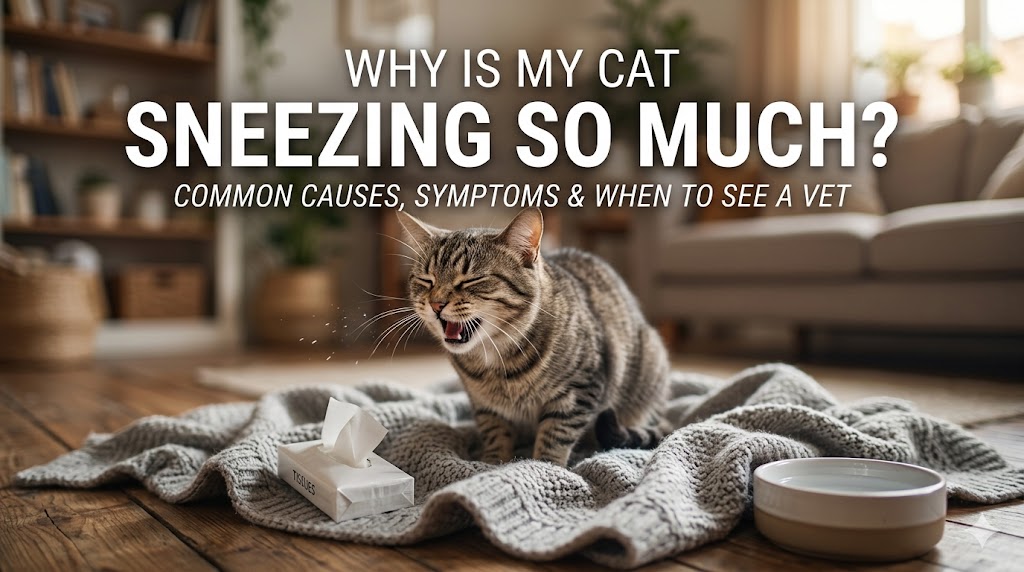
First things first, there is a difference between normal and abnormal sneezing in cats. When a cat’s nose responds to some stimuli (e.g., dust, some smell), the sneeze occurs naturally, but it is not constant, nor does it have any other symptoms. So, when your pet inhales pepper or dust in the room, a sneeze is expected and normal since it stops within seconds after the reaction occurs. But if your cat keeps sneezing every day for several days in a row, then there’s something wrong with your pet.
Reasons for Cats Sneezing Often
It is necessary to know the cause of a cat sneezing too much because there could be different causes, which need varied treatments. There are minor causes, but some sneezing can be severe enough to take a cat to the vet. For example, there could be environmental irritants, infections, allergies, dental issues, and other causes for cats to sneeze. Also, a foreign object in the nostrils can make a cat keep sneezing. This is why it is crucial to watch out for sneezing cats. Doing so will give you an idea about the problem and whether you should visit a vet.
Feline Upper Respiratory Infection
An upper respiratory infection is one of the frequent causes of sneezing among cats. Upper respiratory infections are like human common colds, which are highly contagious. They are caused by viruses and bacteria, which can lead to different symptoms. Some of the common symptoms include sneezing, runny nose, watery eyes, and mild fever. In addition, weak immune systems make cats more vulnerable to infections. It is imperative to see a vet if your cat exhibits other symptoms alongside sneezing.
Viral Infections (feline herpesvirus and calicivirus)
There are two types of viral infections that cause chronic sneezing in cats. These include feline herpesvirus infection and calicivirus infection. Both infections are very contagious and affect kittens or cats in multicat households. The infections are persistent in cats, and the affected cats shed the virus their whole lives. Symptoms usually manifest themselves when the cats are under some stressful situations. Symptoms include sneezing, running nose, and conjunctivitis. Additionally, the two infections impair the immunity of your cat in the long run. As a result, timely diagnosis and treatment are very important in such cases.
Cats and Allergies
Similar to people, cats are prone to allergic reactions and may suffer from allergies at some point in their lives. Allergic reactions usually happen due to allergens such as pollen, mold, dust mites, and other agents. Your cat will sneeze as a reaction to irritation caused by the allergens. In addition, cats experiencing an allergy episode may scratch themselves because of itching or exhibit watering of the eyes. It is essential to identify and remove the agent causing the allergy in order to eliminate sneezing in your cat.
Environmental Irritants
Environment is known to be one of the most common causes of sneezing in cats. It can be an unpleasant odor of perfume, cigarettes, or chemicals used for cleaning purposes. Also, your cat can react to dust accumulated in its box or poor air quality in general. The presence of irritants leads to sneezing immediately. Therefore, if you notice your cat sneezing, try to get rid of the irritating substances. In fact, eliminating irritants will help your pet stop sneezing.
Dental Issues Leading to Sneezing
Some cat owners believe that dental issues have nothing to do with sneezing. On the contrary, some dental disorders, which are associated with infections of upper teeth, are able to lead to sneezing because of the infection spread. Your cat may feel uncomfortable while eating due to inflammation. Apart from sneezing, dental problems may lead to unpleasant breath and inflamed gums. Regular visits to a veterinarian will allow you to take care of your pet’s dental health.
Foreign Bodies in the Nose
On occasion, something such as grass, dust particles, or other debris may become lodged inside a cat’s nasal passage. Sneezing may occur suddenly and repeatedly due to your cat trying to expel the irritant from his or her nasal passages. If this is the case, the sneezing should be quite severe and accompanied by pawing at the nose. Also, there may be nasal discharge and even some blood. As a result, it would be wise to have your cat examined by a veterinarian instead of attempting to solve the problem on your own.
Nasal Polyps/Tumors
There are also instances where polyps or tumors inside the nasal passage may cause chronic sneezing in felines. These abnormal growths may block the passage and irritate the cat’s nasal passages. Other symptoms include labored breathing and nasal discharge as well as a loss of appetite in cats. In addition, elderly cats have a higher risk of developing polyps or tumors compared to young cats.
When Should You Be Concerned?
Whereas sneezing is not always a cause for concern, some symptoms should put you on alert as they suggest an underlying condition. If sneezing is associated with thick discharge from the nose, fever, lack of energy, or loss of appetite, then it means that you need to worry. Also, any sign of bloody nasal discharge or inability to breathe normally requires immediate attention. Persistent sneezing over several days needs close monitoring too. Monitoring your cat’s behavior and general health is important since it helps in catching and treating any problems early enough.
Diagnosis of the Cause of Sneezing
In order to find out the underlying cause of your cat’s sneezing, veterinarians employ different diagnostic tools. First, they conduct a physical examination and analyze the cat’s medical records. Next, they choose specific diagnostic methods based on the symptoms your cat is exhibiting. They could include blood tests, x-rays, nasal swabs, or more complex tests like imaging and endoscopy.
Treatments of a Sneezing Cat
The choice of treatment for cats that sneeze depends on what causes such a condition. As an illustration, for bacteria-related sneezing, the use of antibiotics is necessary, while for those caused by viruses, supportive therapy is required. For allergic sneezing, either environmental modifications or giving antihistamine medicine may help. In case of dental problems, a tooth may be cleaned or pulled out. Foreign material in a cat’s nostril is extracted by a vet in the office. Thus, you have to strictly follow all recommendations from your vet.
Supportive Therapies of a Sneezing Cat
Apart from treating your pet professionally, there are some steps that you can undertake at home to aid in your cat’s recovery. Such measures include keeping your pet hydrated and feeding your feline properly to stimulate its immune system. The use of a humidifier can be beneficial since it prevents nasal congestion. Cleaning the nose and eyes of your cat might also help reduce discomfort in your pet. Do not forget about avoiding the usage of human medication without vet recommendation.
Prevention of Sneezing in Cats
Prevention is better than cure, and there are several ways that you can use to ensure that your pet doesn’t have sneezing problems. The first step is providing proper vaccinations, especially when it comes to preventing viruses such as herpes virus and calicivirus infections. Good hygiene practices, avoidance of irritants, proper feeding, and stress reduction can also contribute significantly to the prevention of respiratory disorders. In short, your pet will remain healthy, without having frequent sneezing problems.
Conclusion: Taking Care of Your Cat
Sneezing in cats may vary from mild annoyance to an alarming situation. In any case, all the cat owners should know everything related to the possible reasons behind sneezing and other warning signs. Even though some cats sneeze occasionally without being ill, frequent occurrence of this condition must not be neglected. On the whole, timely consulting with your vet and creating an ideal environment for your pet will ensure its excellent health and comfort.