Blog
Is Coconut Oil Safe For Cats? Facts, Myths, Safety Tips Explained

Coconut oil is one of those natural products that gained popularity among cat owners who try to apply alternative approaches towards their pets’ health and grooming. Indeed, there are many advantages associated with applying coconut oil as it has various fatty acids and moisturizing properties. Besides, some forums on the web recommend using coconut oil for treating different conditions affecting cats. Not everything discussed in such conversations has been proven and tested by science.
Ingredients of Coconut Oil
The main elements included in coconut oil are saturated fats referred to as medium-chain triglycerides or simply MCTs. They act as fast sources of energy and perform other metabolic functions within the organism. Another element included in coconut oil is lauric acid that can have both antimicrobial and moisturizing effects. However, as it was mentioned above, cats are different from humans and dogs in the way they digest fats.

Coconut Oil Safety for Cats
It seems that coconut oil may be beneficial to cats in small quantities as part of a balanced diet. Many veterinarians even advise cat owners to use coconut oil on their cats for treating minor issues like skin dryness, occasional constipation, or hairballs. However, consuming large amounts of this fat might lead to stomach irritation, obesity, or other problems. It might even be dangerous for some cats to consume any fat, depending on existing diseases.
Coconut Oil Myths for Cats
There is a lot of false information about coconut oil’s health benefits for cats nowadays, mostly spread via the Internet. Some websites declare that coconut oil treats almost any health problem from infections to digestive issues or can replace regular veterinary care at all. Moreover, coconut oil is definitely not able to treat serious diseases, like kidney disease, diabetes mellitus, or skin infections. There is another common myth, as well.
Possible Benefits For Skin Problems
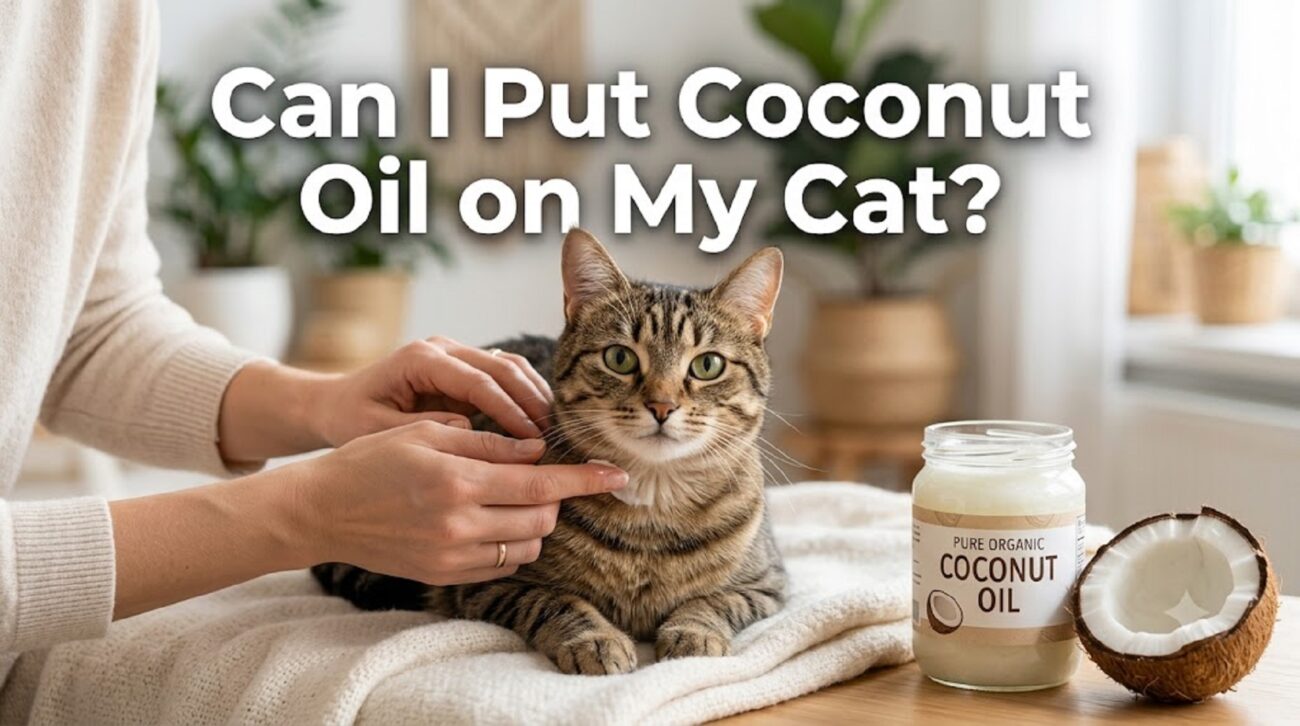
Many cat owners resort to using coconut oil externally for skin and irritations associated with the fur. It is likely that coconut oil can be helpful in decreasing flakes and mild itching experienced by some cats. In addition, coconut oil is known to make the coat shinier and softer when applied in an adequate way. Some vets suggest using the oil to treat dry paw pads or minor skin irritations but too much coconut oil may result in excessive fur licking.
Use Of Coconut Oil To Treat Dull Fur
When dealing with dull fur, coconut oil can help in a number of cases, especially when used in appropriate amounts as part of grooming. Applying external coconut oil on the coat can be very useful as it provides additional moisture and makes the fur less coarse. Moreover, grooming with coconut oil can lead to the removal of dead fur and prevention of matted coats. On the contrary, if too much oil gets stuck in the fur, it becomes greasy.
Does Coconut Oil Aid with Hairballs?
There is an opinion among owners that coconut oil is able to reduce hairballs because it can act as a light lubricant for the digestive tract. It is natural for cats to ingest their hair when grooming themselves. In some cases, ingesting too much hair leads to digestion problems or even vomiting. In addition, consuming small portions of coconut oil may help reduce hairball issues by promoting smoother digestion. Nevertheless, there is no solid scientific basis confirming this effect.
Digestion Issues from Coconut Oil Consumption
The impact of coconut oil on the digestive process of cats depends on the quantity of the product ingested and the animal’s overall health state. Small doses may facilitate the reduction of mild constipation, since fats can act as natural lubricants. Moreover, some cats can eat coconut oil without suffering any gastrointestinal problems. However, an overdose often leads to diarrhea, nausea, abdominal pains, or greasy feces.
The Health Risks of Weight Gain and Obesity
Coconut oil is high in calories and fat, which can cause harm to obese cats. Even a small amount of coconut oil can increase the caloric content of cat food and cause obesity. Moreover, obesity leads to diabetes, joint inflammation, cardiovascular disease, and limited movement in cats. The misconception among pet owners that natural oils are not harmful regardless of the dosage is incorrect because excess fat can harm cats.
The Risk of Pancreatitis in Cats
Pancreatitis is a serious medical problem in which the pancreas experiences an inflammatory reaction. In some cases, fatty foods can exacerbate the condition. Since coconut oil contains large quantities of fat, it can irritate cats’ digestive systems or cause issues if the animals have experienced past diseases related to their pancreases. Furthermore, vomiting, loose stool, weakness, and loss of appetite can be side effects of consuming excess fats.
Use of Coconut Oil to Treat Cat Allergies
Coconut oil is believed to relieve cats of itchiness caused by allergies due to the presence of certain acids which improve the integrity of the skin. Nevertheless, this product will not treat the primary causes of allergies, such as sensitivity to particular foods or substances, fleas, or the environment. If a cat suffers from extreme itchiness, a visit to the vet is crucial.
Cleaning Your Cat’s Ears with Coconut Oil
There is an opinion that coconut oil should be used for cleaning feline ears since it can soften crusty deposits accumulated there. However, it is recommended to use this oil cautiously since the excessive amount of the substance in the ears might result in trapping more dirt there. Also, if the cat suffers from infections in the ears, medication is vital.
False Claims about Coconut Oil for Flea Prevention in Cats
There are many false claims on the internet suggesting that the use of coconut oil can prevent or eliminate fleas from infesting your cat safely. While the use of coconut oil can improve the texture of your cat’s fur coat slightly, there is no substitute for a veterinarian-prescribed flea treatment. Furthermore, a severe flea infestation could result in a wide range of conditions like skin infections, anemia, and allergies. Consequently, it would be best if you used the prescribed treatments by your vet for flea elimination. You can avoid fleas by using the appropriate grooming procedures as well.
Safe Use of Coconut Oil in Your Cat
To use coconut oil safely on your feline companion, one should exercise caution when administering. When applying topically, it is advisable to use minimal amounts to dry or rough patches of skin carefully. It is also vital to avoid applying coconut oil to any wounds or sensitive areas around your cat’s face. One must limit oral intake of coconut oil and consult their vet before administering it. Observing your cat for any vomiting or diarrhea signs would be crucial following ingestion.
Warning Signs of Coconut Oil Intolerance in Cats
It is important to remember that not all cats tolerate coconut oil, and there can be some visible side effects from using this product on your pet right away. In particular, vomiting, diarrhea, fatty stools, too much licking, or lack of appetite can be clear indicators of problems with your feline friend. Besides, it is possible that a cat may get irritated when using coconut oil topically.
What Do Vets Think about Coconut Oil?
In general, it could be said that veterinarians regard coconut oil as something that can give you only a few advantages, provided that you use it carefully. On the one hand, some experts even advise giving coconut oil to cats in small amounts in case of dry skin or other conditions requiring its use. On the other hand, they strongly recommend not to overdo because it can lead to various health problems.
Better Solutions for Skin and Fur Conditions
There are several safe solutions for making your cat’s skin and coat better. Providing balanced nutrition with omega fatty acids usually leads to improved fur condition and skin barrier. Regular combing allows getting rid of excess fur while distributing natural oil over the entire coat. Some veterinarian-approved nutritional supplements will improve the condition if your cat suffers from dry skin or excessive shedding.
Using Coconut Oil in Kittens
One should be careful when using any substances with kittens, as at early age the stomachs of little kittens are sensitive and prone to problems. Large fat portions are very likely to cause vomiting and dehydration of little animals. Moreover, kittens tend to lick themselves quite often, leading to swallowing significant amounts of topically used coconut oil. Finally, it is necessary to consult a vet before giving any supplements to kittens.
Responsibly Using Coconut Oil in 2026
Some of the tips for responsibly using coconut oil for cats in 2026 include moderation, reliance on evidence-backed practice, and consultation with veterinarians. Owners must not blindly follow social media trends or miracle cures related to coconut oil or any other natural treatment option for their pets. Also, careful monitoring of the health status of the cat in response to any product added will detect any sensitivity problems as well as the quality of the pure coconut oil used.
Conclusion
In conclusion, there are certain limited applications for which responsible use of coconut oil can be recommended. Some owners find that coconut oil works fine in their cats in small doses for addressing some health concerns. However, there are numerous myths about coconut oil which overstate its usefulness and neglect to mention possible negative effects like digestive issues, overweight, and even pancreatitis. Besides, no coconut oil is a substitute for professional help from qualified specialists or balanced dieting.