Blog
Is it Normal For Cats to Drool? What the Research Actually Say

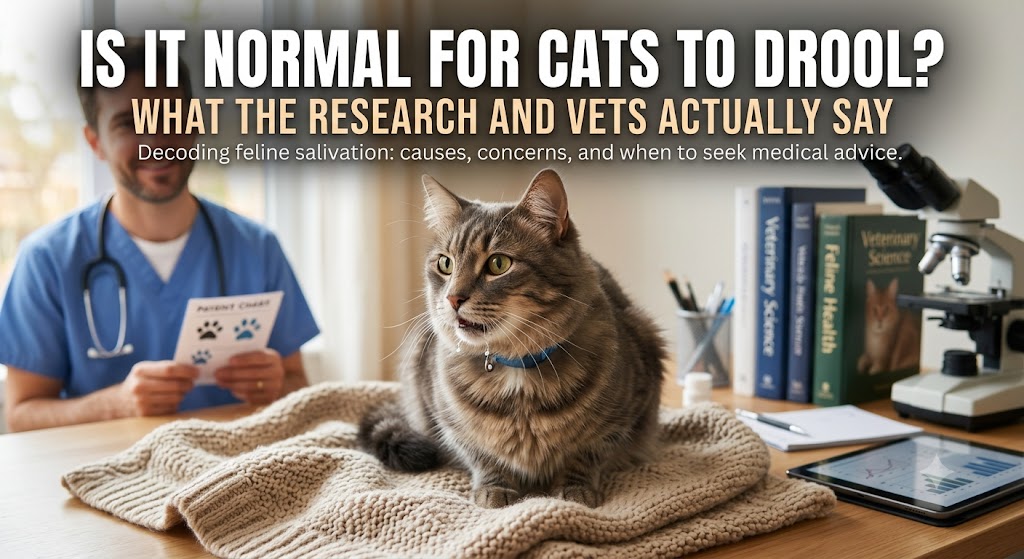
Owners frequently worry the first time they spot saliva coming out of their cat’s mouth. Unlike with dogs, excess salivation in cats is not considered normal behavior. Yet, not all cases of drooling indicate the presence of disease. Many people may have asked whether is it normal for cats to drool, but there is no straightforward answer. The reason behind drooling may vary depending on various factors that need to be identified in order to determine whether professional assistance is required.
Saliva and Its Function
It is worth noting that saliva is an essential component in a cat’s body. Not only does it provide lubrication for food intake and aid in digestive processes, but saliva also helps maintain proper moisture balance and keep the mouth clean. Besides, saliva makes it easier for cats to groom themselves. Under normal circumstances, a cat is constantly swallowing saliva, which makes it hard for owners to notice this occurrence.
Why Cats Rarely Drool
Compared to many dog breeds, cats have relatively low amounts of saliva that are evident visually. The effective swallowing mechanism does not allow saliva to accumulate in the mouth area. Furthermore, cats are great at grooming themselves and maintaining high levels of cleanliness. As a result, drooling becomes a symptom that requires investigation by pet owners.
Is it Normal for Cats to Have Drool Periodically?
One of the most common questions that arise among cat owners is whether it is normal for cats to have periodic droolings. In certain cases, periodic drooling in cats does not pose any serious issues. There are specific cats who start drooling while feeling relaxed, happy, or receiving care from their favorite people. As a result, drooling during pleasant experiences is perfectly okay.
Drooling While Purring and Feeling Relaxed
In some cases, a relaxed cat may start drooling slightly while being stroked. This kind of behavior usually accompanies purring and other signs of happiness. Moreover, cats who have such symptoms feel fine otherwise. Therefore, drooling while feeling extremely relaxed is quite normal.
Breed and Individual Variation
All cats don’t have the same behavior and characteristics. For instance, some cats drool normally even when healthy while others tend to be different. Moreover, there are individual cats that form certain habits, which stay for their whole life. Therefore, learning about your cat’s normal behavior will enable you to see if drooling is something abnormal.
Drooling Kittens
Sometimes kittens drool due to the eruption of new teeth, which causes gum irritation and makes saliva accumulate. Besides, since they use mouth movements actively to get to know the world, saliva production increases. Nevertheless, one should visit a vet if the amount of drooling becomes too large.
Is Cat Drooling in Sleep Considered Normal?
Sometimes people see wet patches around sleeping cats’ beds and wonder if drooling during sleep is normal. Indeed, relaxed facial muscles allow a cat to secrete excess saliva even during sleep. Moreover, when the cat feels relaxed, the amount of saliva secretion might increase. Therefore, drooling during sleep is not dangerous in many situations.
Drooling When It Is a Problem
While sporadic drooling is normal, continuous drooling is usually a sign of something being wrong. Moreover, unexpected changes in the production of saliva should not go unnoticed since it often means there is pain or disease going on. Therefore, it is advisable for the owner to keep track of any signs associated with drooling.
Dental Problems
One of the main causes for excessive drooling in felines is the condition known as dental disease. In this case, plaque accumulation, gum inflammation, cavities, and various infections lead to increased discomfort. Thus, a cat will experience difficulties swallowing and producing more saliva than necessary.
Inflamed Gums and Oral Pain
The term gingivitis refers to the inflammation of the gums caused by bacteria. Besides that, the gums tend to become sensitive and painful as well. This makes cats drool more often compared to those without gingivitis.
Tooth Resorption in Cats
Tooth resorption is a painful condition that affects many adult cats. The condition involves the gradual breaking down of the tooth structure, exposing sensitive parts. As a result, cats affected by this condition are known to suffer pain during the process of eating, leading to noticeable drooling. A visit to the vet dentist is necessary to diagnose the condition early.
Injuries to the Mouth
Felines may suffer injuries when biting their toys or when fighting with others. Mouth cuts, punctures, fractures, bruising, and other such injuries make a cat produce more saliva. As a result, there are cases where cats start drooling suddenly after suffering some type of mouth injury. This is why proper examination is necessary.
Objects in the Mouth
A feline may accidentally get some object such as grass blades, string, or bone stuck in the mouth. Such objects tend to irritate the tissue of the mouth, preventing the animal from swallowing properly. Therefore, cats tend to drool excessively when trying to swallow.
Why Is My Cat Drooling Suddenly?
A number of owners who have been looking for answers to these problems end up wondering why would my cat be drooling since they have developed suddenly. In most cases, such sudden behavior implies that something new happened like toothache, injury, toxicity, nausea, or infection. Hence, this sudden change needs investigation.
Nausea & Digestive Problems
In cats, nausea leads to saliva production. In addition, a cat may drool before he vomits. This can happen due to digestion problems, poor eating habits, illness or motion sickness. Therefore, drooling along with vomiting usually indicates problems related to digestion and not mouth-related illnesses.
Hairballs & Transient Drooling
Before coughing out a hairball, a cat tends to become nauseous and swallow too much. Therefore, this will result in transient drooling just before vomiting. Also, the cat tends to lick his lips while drooling before vomiting.
Poisoning and Toxins
The ingestion of toxins ranks among the most severe causes of acute drooling in cats. Various household cleaners, drugs, pesticides, toxic plants, and chemicals may lead to irritation in the mouth or organs internally. Therefore, excessive salivation will be one of the earliest symptoms that owners should watch for.
Household Plants and Felines
There are several popular houseplants that may represent hazards to the health of your cat. For example, lilies, philodendron, pothos, and other types of plants might lead to irritation and even poisoning of a cat if they are ingested. As a result, one of the first symptoms might be excessive drooling.
Infections and Drooling
In addition to the above factors, respiratory infections might be another trigger that provokes excessive salivation. Obstruction, throat pain, and mouth ulcers might make the process of swallowing saliva more difficult. Besides, such infections might cause sneezing and nasal discharge.
Kidney Diseases & Oral Ulcers
Kidney diseases in cats can affect many older cats, leading to the buildup of toxins in their blood. The end result is the formation of painful oral ulcers causing excessive salivation. Further, cats affected by such diseases may increase fluid intake, experience weight loss, and even have changed eating habits.
Excessive Cat Drooling & Signs
Individuals searching for information about excessive cat drooling come across the importance of the degree of problem. It is quite evident that large volumes of saliva, constant drooling, and accompanying other signs could suggest serious health problems.
Brain Disorders
Even though brain diseases are not very common, it should be kept in mind that such conditions might affect swallowing and production of saliva. Cats affected by brain diseases will also exhibit balance difficulties, weakness, and behavioral issues.
Stress and Anxiety Induced Drooling
In some cases, cats will drool when they get stressed or anxious. Visiting the vet, traveling in the car, noise, and strange situations may lead to increased saliva flow in the mouth. As a result, stress-induced drooling will usually stop once the stressful situation is over. Persistent drooling needs further attention.
Heat Stress and Overheating
Cats who experience heat stress sometimes drool in their attempt to keep themselves cool. In addition, they start panting and become lethargic. Therefore, overheating should be treated immediately; the cat should be moved to a more comfortable area and offered water.
Symptoms Never To Be Ignored
There are also symptoms that must never be neglected in case your cat starts drooling. Breathing difficulties, swollen face, blood, inability to eat, loss of consciousness, convulsions, and severe lethargy are among the symptoms you cannot overlook.
Diagnosis of Drooling in Pets
In order to diagnose drooling, vets will first review your pet’s history and conduct a comprehensive physical exam. In addition to that, oral exams, lab tests, imaging and dental X-ray procedures may also be necessary. Hence, diagnosing the disease helps in implementing a cure to solve the issue.
Treatment Based on the Diagnosis
The treatment of drooling depends on its cause and cannot be generalized. There may be various forms of treatments such as cleaning or removing the affected teeth and administering certain medication or fluids and dieting. Thus, effective treatment involves dealing with the underlying issue rather than focusing on the symptom.
Prevention of Diseases Causing Drooling
Health care is essential in preventing many issues associated with drooling. Routine visits to a vet for exams and dental checkups, proper diet and nutrition, parasite control measures, and providing your pets with a safe environment help a lot in staying healthy
How to Check Your Cat’s Drooling Behavior at Home
It is advisable to observe changes in the frequency and intensity of this problem as well as when your cat drools and in what conditions. This will allow the vet to establish possible connections between certain factors, contributing to the condition.
Scientific Background and Expert Opinion
According to the current knowledge of veterinarians, occasional drooling may be quite usual for a healthy cat, especially when it is relaxed or in a particular environment. At the same time, constant and frequent occurrence of this condition may signalize about existing problems with the health of your pet. Thus, cat owners should examine drooling in connection with other characteristics of their furry friend’s health.
Conclusion
As for the question if cats usually drool, the answer will be as follows. Some amount of saliva is natural for many healthy cats especially if they feel relaxed or while purring or sleeping. Yet, any unusual occurrence of salivation should raise certain concerns because it is likely to signalize about the presence of diseases.