Blog
Cats Drooling Explained: Tips, Facts, and Vet-Insights

One of the conditions that many owners worry about when they see it affecting their pets is drooling, which is a very normal physiological occurrence but could sometimes mean serious problems for them. While producing a small amount of saliva is considered safe for cats, continuous drooling can be a sign of some health problems. This guide discusses all you need to know regarding cat drooling causes, warnings, treatments, and expert opinions.
Understanding Cat Drooling
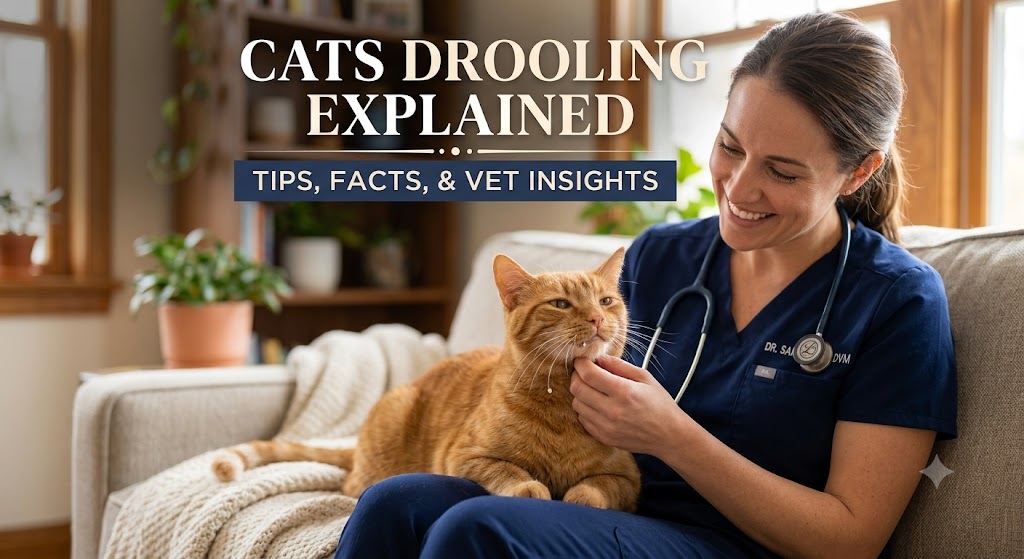
Saliva is produced by cats to aid their digestion, maintain oral hygiene, and help in the process of swallowing the food. Generally, healthy cats swallow saliva effectively without drooling. This condition is more commonly observed in cats than in dogs because of this reason. In other cases, drooling in cats is associated with positive experiences such as relaxing and looking forward to food.
Reasons for Cat Salivation
Saliva is very important for the overall well-being of cats. It allows lubricating the food consumed, aiding digestion, and protecting mouth tissue from any bacterial infections. Moreover, saliva is essential for grooming processes and maintaining healthy dental conditions. Since saliva secretion occurs constantly during the day for cats, any problems with swallowing or mouth functions may cause salivation. Therefore, knowing the function of saliva is very helpful when assessing unusual instances of salivation.
Explanation of Drooling in Cats: Instances of Drooling that Are Normal
In order to determine whether there is a problem, it is important to know which circumstances can be responsible for harmless salivation. Some cats drool because of being extremely happy and relaxed. Also, some pets may begin drooling while they are purring, getting attention, hugging people or playing with family members. Lastly, some drooling can be caused by anticipation of meals since it stimulates cats.
Happiness Can Lead To Drooling in Cats
Most owners are unaware of the fact that happiness sometimes leads to drooling among cats. Certain types of cats produce saliva in an attempt to relax and be in a comfortable state. This happens when they are petted, and such behavior starts developing in their kittenhood. Furthermore, cats with this kind of drooling tend to show other forms of relaxation. Such behaviors include kneading, purring, and even slow blinking. Therefore, whenever a cat shows drooling while feeling good, you do not need to worry about any illness.
Dental Disease Is A Common Cause Of Drooling
There is no denying that dental diseases rank among the major causes of excessive drooling in cats. Gingivitis, periodontal disease, tooth infection, and oral ulcers among other illnesses affect the oral cavity. As a result, cats find it difficult to swallow saliva. What’s more, inflammation of the mouth makes cats produce more saliva. Because these illnesses progress gradually, owners often overlook them.
Symptoms Associated with Tooth or Gum Disease in Cats
Cats that suffer from dental diseases have other symptoms apart from drooling. These include halitosis, trouble chewing, dropping food, pawing at their mouths, reduced appetite, and irritability from pain. Early diagnosis of such symptoms enables owners to take their pets to veterinarians before any dental complications arise. Dental check-ups are still among the most reliable preventive measures.
How Cat Drooling Occurs as a Response to Oral Wounds
Injury to the mouth is another common cause of drooling. Cats’ mouths may be damaged by sharp items, foreign objects, burns, and other forms of harm. Such an injury triggers inflammation and painful sensations that make the mouth produce more saliva. Moreover, an injured cat experiences difficulties swallowing saliva.
Objects in the Mouth
It is not uncommon for cats to show interest in household objects, vegetation, string, or food sources that might result in an object being stuck in the mouth. Irritation from such an occurrence may lead to an abrupt onset of drooling. Other signs include pawing at the face or refusing food sources. Because a foreign body in the mouth may result in tissue injury, prompt removal by a veterinarian is necessary. Failure to do so may result in further complications or discomfort.
Nausea and Indigestion
Indigestion in cats commonly leads to drooling. Nauseous cats generally begin drooling prior to vomiting. Other causes of excess salivation include gastrointestinal diseases, inappropriate diet, motion sickness, or prescribed medication. Recognizing additional signs such as vomiting or loss of appetite is key in determining if the excess saliva may be the result of indigestion or nausea.
Poisoning Risks
Poisoning by toxic agents is considered a medical emergency and often leads to excessive drooling. Household chemicals, poisonous plants, insecticides, and some drugs can either irritate the oral mucous membranes or poison the body systemically. As a result, many cats begin salivating profusely in response. Other possible symptoms include nausea, trembling, weakness, and shortness of breath. Veterinary care is essential when there is even a suspicion of poisoning as timely treatment will improve chances of recovery.
Diseases and Other Chronic Medical Conditions
Long-lasting diseases can also be responsible for drooling. For example, kidney disease may lead to mouth sores and nausea, and thereby provoke excessive salivation. Liver disease and metabolic disorders can similarly affect the oral cavity and cause gastrointestinal discomfort. Given that chronic diseases usually develop slowly, their symptoms can be observed prior to diagnosis.
Explaining Cat Drooling: The Relationship Between Anxiety and Drooling
In rare cases, stress and anxiety cause drooling incidents. Factors like vet appointments, travel in the car, changes in surroundings, and noisy conditions could cause stress. As such, some cats experience increased salivation during times of stress. While this type of drooling usually ceases upon removal of the stimulus, repeated occurrences may suggest severe stress or anxiety in the cat. Establishing a calming setting helps relieve stress.
Respiratory and Viral Infections
Some viral diseases may result in the development of drooling due to the involvement of the respiratory tract and oral cavities. Some such illnesses include upper respiratory infections that result in the development of oral ulcers. Moreover, infected cats exhibit sneezing, runny noses, lethargy, and decreased appetite. Since such infections are communicable, it is important to detect them early enough.
Excessive Cat Salivating and Drooling
While moderate amounts of salivating are acceptable, excessive amounts need more attention. For more details about excessive cat drooling issues, please refer to our extensive guide on excessive cat drooling. Learning more about cat drooling and how much it’s acceptable is important for any cat owner to ensure proper response in case of emergency situations.
Questions Asked by Owners
The most common question that pops into mind when your cat starts salivating and drooling is why does my cat have excessive drooling without a history of this issue before. This symptom always denotes that something changed recently in the life of your furry friend whether it is health-related, environmental, or behavioral. Drooling along with appetite loss, vomiting, lethargy, or unusual behavior must never be overlooked.
Determining the Reason Behind Cat Drooling
Various approaches can be used by veterinarians to diagnose the reason behind cat drooling. The process of diagnosis usually involves a thorough examination of the animal. Other techniques such as blood tests, imaging techniques, among others, might be used in order to establish the underlying reason behind cat drooling.
Approaches to Treating Drooling Cats
The type of treatment is highly dependent on the actual cause of the condition in question. In some cases, treatment requires tooth extraction or cleaning. Medications are sometimes needed in order to treat various infections. Similarly, the presence of foreign objects needs removal, and chronic illness needs proper management. Timely intervention will ensure successful management of cat drooling.
Home Care and Monitoring Suggestions
It is crucial that the owners monitor the dog’s recovery and try to prevent possible complications in the future. The frequent inspection of the mouth helps reveal potential problems at an early stage. Moreover, the owners should follow the veterinarian’s recommendations and ensure the maintenance of good dental hygiene. The monitoring of the pet’s feeding, drinking, and behavior gives a good idea of his overall health condition.
Oral Problems Prevention
The prevention of problems with the mouth remains one of the best ways of decreasing the amount of saliva secretion because of the dog’s dental problems. It includes regular visits to the vet and proper oral care. Balanced diet and nutrition also contribute to the maintenance of healthy teeth and gums.
Emergency Situations with Drooling
There are several scenarios when veterinary consultation is absolutely necessary. Difficulty breathing, seizures, problems with eating, poisoning, and collapsing with excessive drooling all necessitate veterinary intervention immediately. Furthermore, sudden appearance of symptoms that have no apparent reason behind them requires professional attention. Seeking help on time can be a determining factor in a successful treatment process and saving a cat’s life.
Veterinary Advice for Pet Owners
First of all, it is important to realize that drooling is not a disease itself but its sign. For this reason, effective treatment relies on diagnosing a root of this condition. Also, many diseases associated with drooling benefit from early treatment. One should refrain from trying to self-treat symptoms since it can worsen health status of a pet.
Final Words
Awareness of cat drooling makes it easy for cat owners to be aware of any health problems that may occur. Though sometimes cats drool due to joy, in many cases there is an underlying cause for which the cat owner needs to seek treatment. The key is to pay close attention to your cat’s behavior and seek treatment immediately if you see any red flags.