Blog
Do Cats Need Injections? What Research and Vets Actually Say

Pet owners often pose an important inquiry regarding proper care for their cats: should cats be vaccinated? Some individuals believe that keeping their cat indoors provides adequate protection against any illness, whereas other pet owners feel concerned about the safety and efficacy of such vaccinations. Nevertheless, a significant body of evidence from veterinary science indicates that proper injections can significantly contribute to safeguarding felines from dangerous diseases.
The Need for Cat Injections
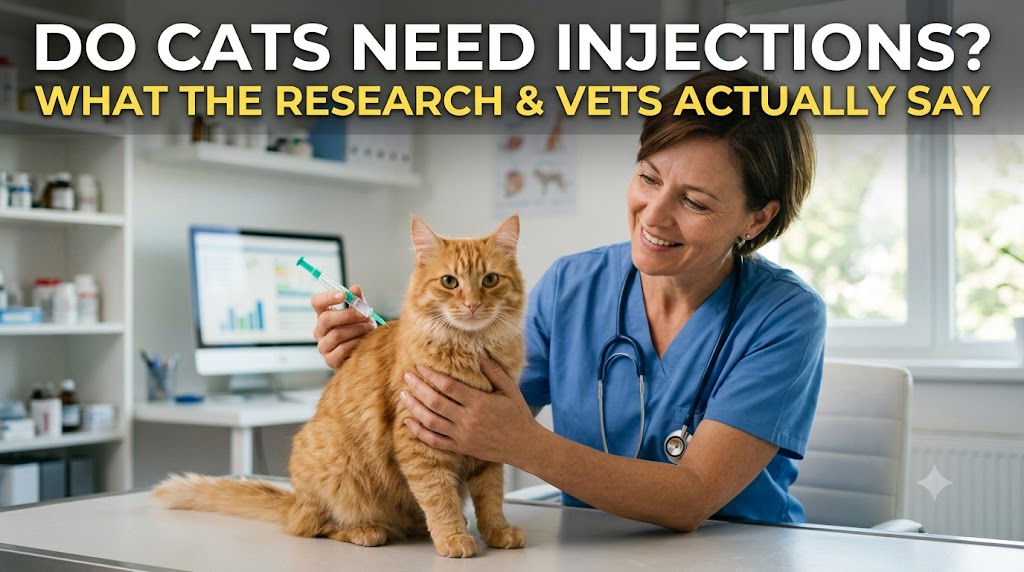
While there are many different types of injections for cats, such as vaccines, medications, and even microchips, most individuals refer to vaccines specifically when using the word injections. This is because vaccines stimulate the immune system to recognize the disease before it enters the body. Additionally, vaccination is considered one of the most efficient ways to ensure proper prevention.
Why Preventive Healthcare Matters
Preventative care is aimed at preventing people from getting sick in the first place. Instead of waiting for a disease to manifest, veterinary professionals recommend that the owner take proactive steps to minimize disease risk by vaccinating, providing wellness examinations, using parasite control and nutrition. Also, the cost of preventive healthcare is much less than the cost of serious illnesses. Therefore, preventive action has a positive effect on the quality of life and decreases future healthcare costs.
Should cats be given injections? The Scientific Answer
The scientific opinion is unanimous when it comes to the question of do cats require injections. Vaccination will prevent cats from contracting multiple serious infectious diseases that can spread easily and result in a lot of problems. In addition, decades of research back the effectiveness and safety of many vaccines. While the needs of each cat differ depending on lifestyle and health status, veterinarians believe that certain vaccinations are essential for most cats.Veterinarians believe certain vaccinations are essential for most cats, although individual needs may differ depending on the cat’s lifestyle and health status.
How Vaccines Work in Cats
Vaccines help the body learn how to fight a particular disease. They do not trigger illness but rather harmless molecules that activate the immune response. Therefore, should the cat come into contact with the disease at a later stage, the body could react faster and more strongly. This has been shown to drastically decrease the risk of life-threatening complications and mortality.
Core Vaccines Recommended by Veterinarians
Veterinary groups have decided that some vaccines are “core vaccines” and are essential for pets to help prevent very infectious and severe illnesses. Most of these vaccines are routinely recommended for almost every cat. In addition, vaccines that offer protection against common threats in different environments are available. All these immunizations are essential to good cat care.
Feline Panleukopenia Protection
Distemper is also known as feline panleukopenia and one of the most important vaccines is available to help protect your cat from it. The disease can be very quickly spread and can cause damage to the gastrointestinal system and immune system. Also, kittens are particularly vulnerable to death when infected. Immunisation marks a significant decrease in the risk of infection and is the most effective prevention measure available.
Do Cats Need Injections for Indoor Living?
It is easy to see why many owners think that their indoor cats need not be vaccinated, since they don’t see other animals often. But if cats stay indoors do they need injections? Generally, it’s still yes. Viruses can be carried inside the house by clothing, shoes, visitors or pets introduced for the first time. Also, indoor cats can be exposed to infectious diseases if they do escape or if there is a crisis. Preventative protection is still beneficial in all housing situations.
Vaccines to preserve respiratory health
There are a number of common feline viruses that attack the respiratory system. These infections can lead to sneezing, nasal discharge, eye irritation and loss of appetite. Some respiratory disease outbreaks are seemingly mild at first stages but can result in complications in susceptible animals. Vaccination lessens the severity of the disease and limits the spread of the disease to cats. Therefore, vaccines for the respiratory tract are still a valuable part of a feline health care program.
Kitten Vaccination Schedules
The kitten have less developed immune systems than adults and need special vaccination programs. Multiple doses are usually given during early life to achieve good protection. Also, as maternal antibodies wane over time, the timing is crucial. By following the recommended schedules, kittens will be able to receive adequate immunity at crucial points in their development.
The need for Booster Shots
A single vaccine dose may not result in lifelong immunity. Thus, booster doses serve to maintain immunity over time. Also, booster programs depend on the vaccine products, age, lifestyle, and veterinary recommendations. Continuous booster shots provide ongoing immunity to diseases that are still common among cats.
Understanding Vaccine Safety
Today’s veterinary vaccines are carefully tested before being approved. Safety, effectiveness and quality are critical areas that are examined through comprehensive research processes by manufacturers. In addition, there is ongoing post-vaccination monitoring of vaccine efficacy. Side effects are usually minor and may happen, but serious side effects are not likely to happen very often. In the vast majority of cases, the risks associated with vaccination are outweighed by the benefits for cats.
After vaccination, the following are common side effects:
Minor reactions to vaccinations are common in some cats. Some tiredness, a decreased appetite, or mild pain at the site of the injection might occur temporarily. Also, these symptoms tend to disappear over time without treatment. After vaccination, watch your cat to pick up on normal reactions and allow for timely veterinary care if your cat shows unusual reactions.
Rare Vaccine Complications
While rare, severe reactions to vaccines may happen. Symptoms can include swelling of the face, difficulty breathing, vomiting or extreme lethargy. When these symptoms occur, your veterinarian can be reached immediately. Thankfully, serious reactions are uncommon in comparison to the high level of protection vaccines offer against potentially serious diseases.
Should Cats Be Injected All Their Lives?
One of the frequently asked questions by the professional owners is whether or not cats require their injections after achieving the adult stage. This can vary from person to person. Kittens need to be given intensive vaccination programmes, whereas adult cats can benefit from periodic boosters and risk based vaccines. Long-term vaccination plans are created by veterinarians who take into account lifestyle, age, health status and exposure risks.
Lifestyle-Based Vaccination Decisions
Risk of disease is not the same for all cats. Outdoor cats are usually exposed to more infectious agents than their indoor counterparts. Likewise, feline multi-cat households could need wider protection than single-cat households. Tailored vaccination plans are possible with the use of personalized healthcare plans, which means veterinarians can make personalized recommendations based on individual risk factors and living conditions.
Take the time to have a wellness exam for your pets
Immunizations are frequently part of wellness checkups. These appointments are for a full health check-up, early detection and prevention conversations. Also, veterinarians assess body condition, dental condition, weight issues, and behavioral issues. Vaccination is not the only way to promote overall well-being, and regular check-ups can help do that.
Diseases that vaccines prevent:
Vaccines provide immunity to a number of potentially debilitating and life-threatening diseases. It is possible that these diseases can quickly spread among susceptible populations and that they can be extensive medical treatments. Additionally, certain infections are hard or impossible to treat after they have been present. The prevention of disease by vaccination is much easier than the management of advanced disease.
Understanding Feline Distemper
Vaccination is one of the main reasons that veterinarians suggest it for their feline patients because of protection against feline panleukopenia. If you want to know more about this disease, you can also check out our do cats get distamper guide. Knowing the impact of feline distemper is why vaccination is still a crucial part of a feline’s preventive care.
Respiratory infections and cats
One other common owner question is if respiratory diseases cross over from species to species. A common question that comes up in vet visits is can cats catch a cold from human. Although some pathogens that cause respiratory disease in humans can also cause respiratory disease in cats, feline respiratory diseases are a health concern. Several of the most frequently seen viral infections of cats can be helped by vaccination.
Immunisation and Community Immunity
Vaccination is not only good for the animal, it’s good for everyone else. Immunization significantly reduces the spread of disease within the community if high numbers of cats are immunized. In addition, community protection will help protect vulnerable animals that require specific vaccines, but cannot be administered. Vaccination is only beneficial to the health of feline communities when taken up by responsible people.
Addressing common misconceptions about vaccines
There are many myths associated with cat vaccines. Some owners think their cat doesn’t need shots, others think that vaccines can actually give their cat the diseases they are trying to avoid. All these myths are scientifically false. Additionally, state-of-the-art vaccines go through strenuous testing procedures and continue to keep millions of cats around the globe healthy from preventable diseases.
Senior Cats and Vaccination
Preventive health care can still be beneficial for older cats. While immune system function is altered with age, risks of exposure to disease do not cease to exist. Before vaccinating older cats, veterinarians thoroughly assess the situation. Personalized plans provide a balance between protection and age-related health needs, and promote overall wellness.
A dilemma between cost and value of vaccination
Some owners are reluctant due to cost of vaccinations. But for serious infectious disease, a significant amount of money is needed, and hospitalization and intensive care will be required. Vaccinations to prevent illness tend to be much more cost-effective. More than that, proactivity in healthcare offers one of the best benefits of preventing suffering.
Help Your Veterinarian Work
Each cat has their own individual healthcare needs. So it’s important for owners to speak with knowledgeable professionals about their vaccination plans. The recommendations are tailored to the individual, taking into account age, environment, travel habits, medical history and overall health status. Joint decisions make sure that cats are protected where necessary, without treatment being unnecessarily given.
In 2026, what did research tell us about vaccinations?
Recent veterinary studies remain in support of vaccination as one of the most effective disease prevention methods in feline medicine. In addition, continuous studies enhance schedules and technology of vaccines. Recent veterinary developments enable healthcare providers to be able to provide effective protection while keeping safety standards high.
Final Thoughts
A great deal of evidence points to the significance of vaccines if we are asking ourselves do cats need injections. Studies, veterinary experience and many years of clinical use have proven that vaccines can prevent serious and sometimes deadly diseases in cats. Owners can take steps to increase their cats’ lifespan, through veterinary care, booster shots, and preventive care. In conclusion, responsible pet owners who understand the importance of cat injections will make better-informed choices to ensure the well-being of their feline companions in 2026 and beyond.