Blog
Why is My Cat Sneezing: Expert Answers and When to Worry

While occasional sneezing in cats is considered normal and does not necessarily mean there is something wrong, it becomes a cause for worry when frequent and accompanied by other factors. Most of the time, pet owners wonder why is my cat sneezing and whether this symptom shows allergies, infections or some more serious diseases. Furthermore, sneezing can be accompanied by watery eyes, coughing, breathing difficulties or changes in eating habits that have negative effects on cat health.
Causes of Cat Sneezing
As a protective mechanism, sneezing allows cats to expel any irritating substance such as dust or foreign bodies from the nostrils. As in case of humans, sneezing occasionally occurs and does not always indicate the development of diseases. Additionally, sneezing can be seen as a response to various irritants affecting the airways. While some forms of sneezing are considered normal, others are an indicator of inflammation, infection or irritation that should be treated by professionals.
Why Does My Indoor Cat Sneak So Often?
Indoor spaces can be sources of unknown allergens causing excessive sneezing in cats. For instance, dusty cat litter, strong odors from cleaning products, cigarette smoke, perfumes, and scented candles are some substances that may irritate their sensitive nose linings. Besides, lack of proper air circulation and indoor allergens can contribute to their respiratory tract issues. People concerned about frequent sneezing episodes in their felines need to take into consideration the possible causes of irritation related to their living environment and reduce their pet’s exposure to harsh chemicals and indoor allergens.
Viral Upper Respiratory Infection
Respiratory infection is among the most common health problems triggering frequent sneezing episodes in cats. Various types of viruses, such as the feline herpesvirus, calicivirus, and others, easily transmit between cats in crowded places and even through contaminated objects. Infected animals may exhibit nasal secretions, fever, eye discharge, lethargy, loss of appetite, and sneezing. Kittens and older cats tend to suffer from this condition as their immune system finds it difficult to fight against pathogens.
Bacterial Infections and Nose Issues
Infections occur after cats suffer from a viral infection, making them vulnerable to bacteria. Bacterial infections lead to mucus in the nostrils, sneezing, and nasal blockage. If untreated, it results in infection in the lungs and breathing difficulties. Chronic nose problems develop after multiple bacterial infections.
Allergies and Environmental Irritants
Common allergens include dust, pollen, smoke, mold, and other substances in the environment. These irritants lead to nasal issues like nasal inflammation, sneezing, tearing eyes, and face scratching in the affected cats. Seasonal changes trigger allergies and environmental irritants.
Common Symptoms Associated With the Reason for a Cat Sneezing
In many cases, sneezing can be accompanied by a series of other symptoms that help determine the exact cause. Coughing, nasal discharge, watery eyes, and changes in breathing are frequent occurrences when a cat suffers from an infection or allergies. Furthermore, there are cases in which cats experience tiredness, reduced interest in eating, and isolation when they are unwell. People who are searching for the reasons behind cat sneezing often find that sneezing, along with other symptoms such as cat sneezing and watery eyes, implies a need for closer examination due to a respiratory issue.
Dental Issues and Cats Sneezing
There are instances when cats’ teeth have a role in sneezing due to their location close to the sinuses. Infections of the gums or teeth, as well as dental pain, can result in a spread of bacteria to the sinuses, resulting in sneezing. The condition may be accompanied by excessive drooling, difficulty eating solid foods, and foul breath odor. Proper dental examination allows determining the causes of sneezing in cats that may remain unnoticed otherwise.
Foreign Objects in the Nose
Since cats tend to be curious about their surroundings, there are instances when they inhale some foreign matter. The cat might start sneezing due to grass, dust, or any other small debris that irritates it. It is likely for them to scratch or shake their heads due to sneezing continuously. In certain cases, they may develop one-sided nasal discharge due to some foreign object being stuck in the nostrils. Sneezing should be taken seriously especially if they are sudden and extreme. This prevents irritation, infection, and breathing difficulties.
Stress and Weakened Immunity
Stress tends to weaken the immune system of a cat. Factors that can cause stress include moving to a new home, exposure to loud noises, or even adding a new pet to the family. Since stressed cats have weakened immune systems, they can suffer from sneezing due to the activation of a virus. Keeping the environment peaceful, along with following consistent routines, strengthens the immunity of a cat.
Why Does My Cat Have Watery Eyes And Is Sneezing?
Watery eyes and sneezing often indicate that your kitty has some kind of respiratory infection or allergies. In general, any viral infection affects not only the cat’s nose but its tear glands as well, causing several symptoms at once. Moreover, environmental allergens can irritate the sensitive membranes of both eyes and the nose of your pet simultaneously. If you are wondering why is my cat sneezing with watery eyes, you need to be attentive when monitoring other signs, which may indicate the development of respiratory infection in your kitty.
Older Cats With Chronic Sneezing
Sometimes older cats have chronic sneezing problems due to the weakening of their immune system in old age. Also, prolonged inflammation of the respiratory tract, tooth decay, or tumors growing in the nose can cause such symptoms in senior kitties. Besides, older pets often take much longer than young cats to heal from respiratory infections. It is highly recommended to visit the veterinary clinic to examine an elderly cat experiencing chronic sneezing problems.
When Sneezing Is an Emergency
While occasional sneezing usually does not mean that cats have health problems, some particular symptoms suggest that it is necessary to consult a veterinarian immediately. Inability to breathe properly, severe lethargy, reluctance to eat, bleeding through nose, as well as mouth breathing all can indicate serious respiratory problems developing quickly. Moreover, kittens suffering from respiratory diseases while being dehydrated or weak need special treatment because their condition is very risky. Therefore, it is crucial for cat owners to react appropriately by seeking emergency treatment immediately before any complications arise.
Diagnosis of the Problem
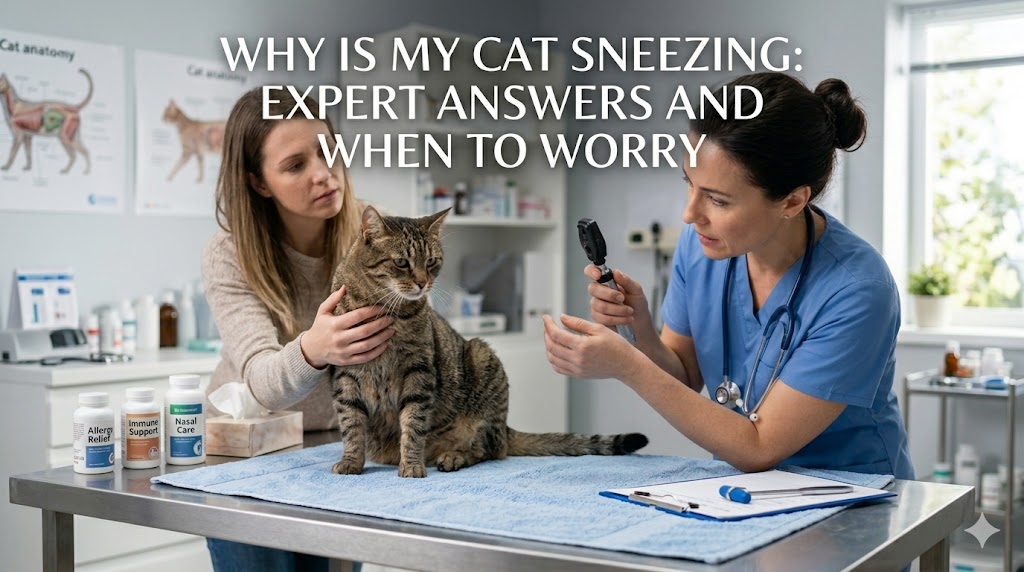
A professional veterinarian performs physical examinations and additional testing in order to determine the underlying cause of constant sneezing correctly. Sometimes nasopharyngeal examination, blood tests, X-rays, and lab cultures help detect various infections, allergies, as well as possible structural abnormalities influencing breathing processes. Besides, veterinarians check eye discharge, lung noises, and overall health status in case of respiratory illnesses. Accurate diagnosis is needed as there might be numerous causes resulting in sneezing which must be treated differently.
Treatment Methods for Sneezing Cats
The treatment method depends exclusively on the cause of respiratory problems in cats. If sneezing is caused by viral infections, treatment includes support with hydration, nutrition, and symptom management. Bacterial infections, in turn, may be treated with antibiotics prescribed by vets following an examination. Moreover, allergies can be solved by avoiding the cause and adjusting the environment appropriately. Another useful technique is adding moisture to the air in order to make breathing less challenging. It is essential to avoid human cold medicines that are highly toxic for cats.
Treatment Methods at Home for Mild Sneezing
It might be necessary to provide additional support and adjustment of the environment to treat mild sneezing cases successfully. Living areas should be maintained clean and free of dust. Using humidifiers or steam baths can help alleviate nasal congestion, while owners need to encourage their cat to drink and eat. Sometimes, soft foods make eating more comfortable. The observation process is crucial to ensure that no infections appear since more serious conditions may require a vet’s intervention.
Prevention of Cat Respiratory Diseases
Prevention goes a long way in reducing risks of cat respiratory infections as well as boosting cat immunity. Vaccinations prevent various forms of viruses causing cat respiratory infections. Regular cleaning and good indoor air quality decrease exposure to cat respiratory irritants. It is vital to limit exposure of your cats to sick cats to reduce chances of respiratory infection transmission. Proper nutrition and adequate fluid intake promote good feline immune system. Preventive care practices prove highly useful when trying to reduce risks associated with respiratory infections of cats.
Cat Sneezing in Multi-Cat Households
Multi-cat environments pose greater respiratory infection risk due to frequent exposure to the same environment and resources used by infected cats. Food, litter boxes, and grooming processes can all increase risks of virus spreading between cats. Stressful environments may lower feline immunity, increasing chances of rapid disease transmission. Feline owners experiencing sneezing problems with their cats should separate these cats immediately. Practicing good hygiene, proper cleaning and vaccinations help control such risks effectively.
Immunity and Nutrition
Cats with strong immune systems recover quicker after respiratory irritation and can better fight infections. Well-balanced and complete nutrition containing all necessary vitamins ensures healthy body functions and tissue healing. Moreover, appropriate amounts of water will dilute mucus, which will allow easier breathing for the cat during convalescence. As another measure to prevent diseases, some veterinarians also advise giving nutritional supplements aimed at immunity strengthening for sick cats that have chronic respiratory diseases. Healthy nutrition is therefore crucial in order to avoid recurrent diseases and increase the chances for full recovery.
Myths About Felines Sneezing and Respiration Problems
Some myths regarding respiratory illnesses and feline sneezing are popular among pet owners. Some people think that sneezing always means only allergies and not dangerous infections. Moreover, it is commonly thought that indoor cats never have respiratory disease, although viruses can be easily spread to them from outside, including by clothing or visitors. Another popular myth suggests using medicines intended for humans because it can cause additional dangers to the feline’s health if done without veterinarian recommendations.
Expectations for Recovery and Long Term Care
The recovery period for sneezing varies depending on the underlying cause and the extent of the respiratory discomfort that affects each individual cat. In cases where the irritation is mild, improvement will occur within days while some cases of chronic viral infections may need to be treated through long-term care. It is also important to provide a cat with enough water and low stress environment in order to encourage faster healing. Relapse can also occur at an unpredictable time, which calls for continued monitoring of the situation. Follow-up check-ups and treatments can also be useful.
Conclusion
Cats sneeze because of environmental irritation or respiratory disorders that warrant a visit to the veterinarian. Identifying the underlying causes, recognizing signs and treatment options can come in handy in dealing with sneezing problems in cats. Preventive medical care, clean and safe surroundings, and regular check-ups will go a long way towards reducing health complications in felines. Cats hide their illnesses from people, which is why it is critical to be observant during sneezing episodes.