Blog
Cats Sneezing a Lot: Everything You Should Know in 2026″

Cats’ sneezing has worried many pet owners due to the frequency at which some Cats sneeze for days. Though it might be considered normal, sneezing continuously might point out that there is a health problem that needs to be addressed. Also, sneezing is caused by allergies, infections, irritants, and other illnesses. Knowing the reasons behind Cats sneezing can help you to know when to consult the vet.
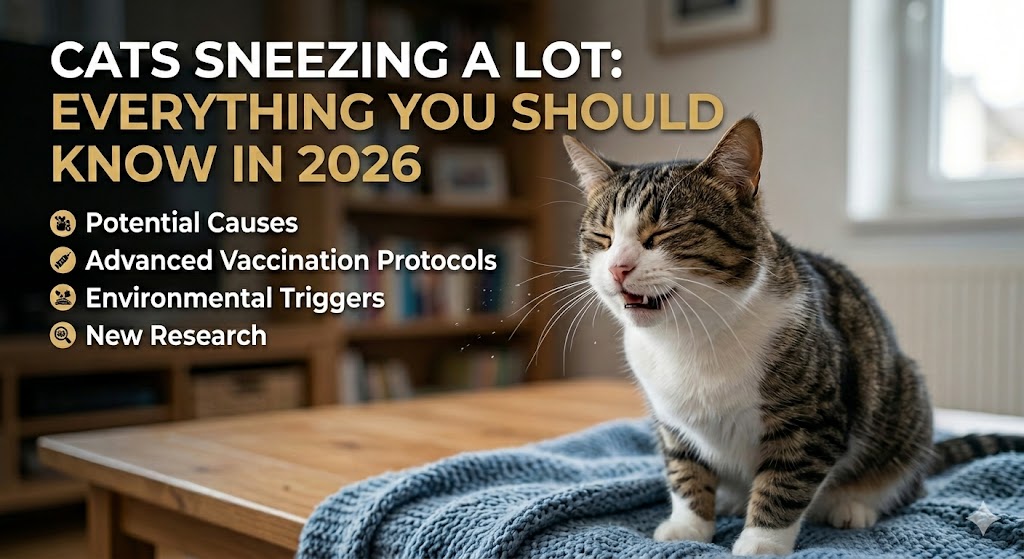
Reasons Why Cats Sneeze
Just like in humans, sneezing helps in removing irritants from the nasal cavity. The process involves sneezing in response to such substances as dust and pollens or even strong smells that get into the nose. Another reason for cats to sneeze is the fact that sneezing helps to clean mucus and other irritants that block the air passages and make it difficult for them to breathe normally.
Sneezing in Cats Caused by Various Triggers
There is an abundance of reasons why sneezing occurs in cats. Among them, viral infections are still one of the major triggers for this symptom. Also, allergens, irritants, bacteria, dental problems, and nasopharyngeal polyps can provoke sneezing in cats. The nature of each cause requires different treatments and care; therefore, it is crucial to determine the underlying cause of a problem.
Feline Upper Respiratory Infections Triggering Sneezing
Among all possible causes that make cats sneeze, upper respiratory infections are the most prevalent reason for this symptom in domestic cats. Typically, these diseases involve viruses like feline herpesvirus infection and feline calicivirus infection. Moreover, cats with respiratory infections tend to have runny noses, watering eyes, fever, and decreased appetite. Senior and young cats are at a greater risk due to weaker immune responses.
Indicators of Upper Respiratory Infection
When a cat is experiencing upper respiratory infection, there is normally much more than just sneezing involved. The feline may suffer from nasal congestion, tearing eyes, lack of energy and difficulty breathing. Sometimes the animal loses its appetite because congestion interferes with its ability to smell properly. Careful monitoring of these symptoms helps to understand the progress of the disease.
How Are Viral Infections Spread?
Some viral infections are passed between cats through direct contact. This includes the shared use of food bowls, litter boxes, sleeping areas, as well as other means. In addition, sometimes cats can be responsible for spreading diseases through their sneezes.
Signs of Serious Conditions When Cats Are Sneezing Too Much
Despite the fact that most cats exhibit this symptom without much ado, there are some serious conditions which might cause too much sneezing. These include allergies, viral infections, fungal infections, bacterial infections, nasal tumors, severe dental problems, and so forth. Furthermore, other signs like facial swelling, bloody noses, breathing difficulties, and unexpected weight loss cannot be taken lightly.
Environmental Factors
Just like humans, cats may suffer from allergies. These can be caused by various factors like dust, smoke from cigarettes, perfumes, cleaning supplies, air fresheners, and even cat litter. Allergic reactions are one of the reasons for excessive sneezing in domestic felines, while the removal of possible triggers proves effective.
Products Around the House Which Cause Cats to Sneeze
There are numerous products around the house which include ingredients that irritate the feline nasal passages and cause sneezing. Common household cleaners, air fresheners, scented candles, and sprays tend to cause this issue in cats. Moreover, any newly painted rooms, construction works, and renovation may lead to sneezing due to fumes and other irritants.
Seasonal Allergies
Seasonal allergies are typical for both people and their cats. In some seasons, higher concentration of pollen causes sneezing, nasal discharges, and itchy red eyes in cats. Apart from that, mold and other outdoor allergens may find their way indoors through open doors and windows, irritating a cat’s nasal passages. Noticing when the symptoms usually occur can be useful for treating the condition.
The Role of Dental Disease in Cat’s Health
In many cases, cat owners do not even think about the connection between oral and respiratory conditions. Any infections that develop in a cat’s mouth may travel to the sinuses, causing irritation, coughing, and sneezing. Moreover, an ongoing dental abscess may become the source of long-lasting irritation of feline respiratory system and related symptoms.
Nasal Polyps and Structural Abnormalities
Nasal polyps are benign lesions that can arise from the respiratory tract. They tend to impair airflow and lead to chronic sneezing. Moreover, a cat with polyps will display such symptoms as noisy breathing, nasal discharges, and frequent respiratory infections. Diagnosis of this condition involves examinations performed by a veterinarian. Sometimes, surgery is required for its management.
Foreign Bodies in the Cat’s Nostrils
Sometimes, an item enters the cat’s nostrils. Foreign bodies like grass blades, vegetable materials, or dust particles induce sudden, forceful sneezing attacks. Furthermore, the animal will scratch at its face frequently. This problem is likely to need intervention by the vet, as foreign items do not disappear by themselves.
Diagnosis of Cats Sneezing a Lot at the Vet’s Clinic
The first steps during the diagnosis of cats sneezing a lot consist in interviewing the pet owner and conducting a physical exam. Further diagnostics can include blood tests, nasal samples, X-rays, and dental exams. These procedures will enable the veterinary to find out the root cause of this health issue.
Expectations from a Veterinary Visit
A veterinary visit involves an extensive conversation concerning symptoms and the surrounding environment. An owner will provide information regarding vaccination, interaction with other felines, and the time span during which symptoms are present. Moreover, a veterinarian may perform a physical examination of the eyes, nose, mouth, and respiratory tract. Supplying accurate details increases chances of correct diagnosis and proper treatment.
Treatment for Cat’s Persistent Sneezing
The treatment regimen is based exclusively on the exact reason for sneezing. In case of infection, it may include supportive therapy or antibiotic drugs. Allergies can be alleviated by modification of the surroundings or medications. Other causes such as dental diseases, polyps, and abnormalities will require special procedures. Obeying veterinary instructions enhances the effectiveness of recovery and prevents reoccurrence of issues.
Creating Favorable Conditions for Recovery at Home
Providing appropriate conditions enables cats to recover faster. Ensuring hygiene, avoiding stressful conditions, and increasing fluid intake promote speedy recovery. Humidifiers will assist in loosening congestion and facilitate breathing. Monitoring changes in appetite and activity allows recognizing the progression of treatment or its inefficacy.
Cats from Getting the Flu in the Future
Cats from getting the flu can be done through maintaining good health and limiting exposure to irritating agents in the environment. This is usually achieved through immunizations, taking cats to the vet for examinations, provision of a good diet, hygiene, among others. Prevention is one of the most successful methods in maintaining good respiratory health.
Vaccinations and Respiratory Diseases
Through vaccinations, cats receive protection from various viruses that cause respiratory diseases such as cat flu. Even though cats may contract these diseases despite vaccinations, the symptoms will likely be mild and easy to manage. Moreover, up-to-date vaccination records can help prevent the spread of these diseases in the animal population.
Nutrition
Good nutritional intake helps enhance the immunity of an individual. Therefore, when cats are fed nutritious foods, they are able to recover well from any illnesses that might affect them. In addition, proper nutrition will help maintain sufficient hydration levels in the respiratory tissues.
Observation of Persistent Sneezing
There are cats that develop recurrent respiratory problems during their entire lifetime. Keeping track of their symptoms will allow the cat owner to see what triggers these conditions and how effectively the condition is being treated. Moreover, maintaining records of episodes will help the vet formulate future treatment options for the cat.
When Immediate Help Is Required
While sneezing problems in cats rarely require urgent intervention, there are certain signs that necessitate emergency veterinary help. Breathing difficulties, excessive lethargy, bluish gums, swelling of the face, and refusal to eat are serious red flags that cannot be left untreated. In case of sudden exacerbation of symptoms, one should seek immediate medical help to prevent further complications.
Managing a Cat with Recurrent Respiratory Conditions
Cats that suffer from persistent respiratory disorders require a lot of patience from the pet owner. Visiting the vet on a regular basis and adjusting the living environment of the animal may improve its well-being and make life easier. Knowing the cat’s triggers makes it possible to keep such conditions under control.
Time to See Your Vet
Excessive sneezing with discharge, weakness, or lack of appetite can necessitate veterinary intervention. In addition, continuous symptoms in conjunction with eye irritation may imply problems addressed in our article on sneezing and watery eyes in cats.
Conclusion
A little sneeze from time to time is not uncommon, but chronic sneezing should never be ignored. Viral infection, allergic reaction, tooth problems, and even nasal disorders are only some of the reasons that could cause respiratory symptoms. Early diagnosis can mean much more successful treatment, and with knowledge of potential symptoms, good prevention practices, and proper veterinary consultation, cat owners can guarantee their cats will live happily in 2026 and the years to come.