Blog
Cat Dry Heaving: Everything You Should Know in 2026

Sometimes, cats may cough, gag, or even retch without vomiting and this always tends to worry pet owners instantly. At times, this behavior can seem innocent but when it recurs, it can be an indicator that your cat has some problems that need to be looked into. By learning about dry heaving in cats, one is able to learn its causes and thus know when professional help should be sought. Besides, it becomes easier to deal with the problem in a better way. Also, it helps prevent future occurrences. Cats have been known to hide pain well and this makes it important for the owner to be keen on their actions.
Learning About Dry Heaving in Cats
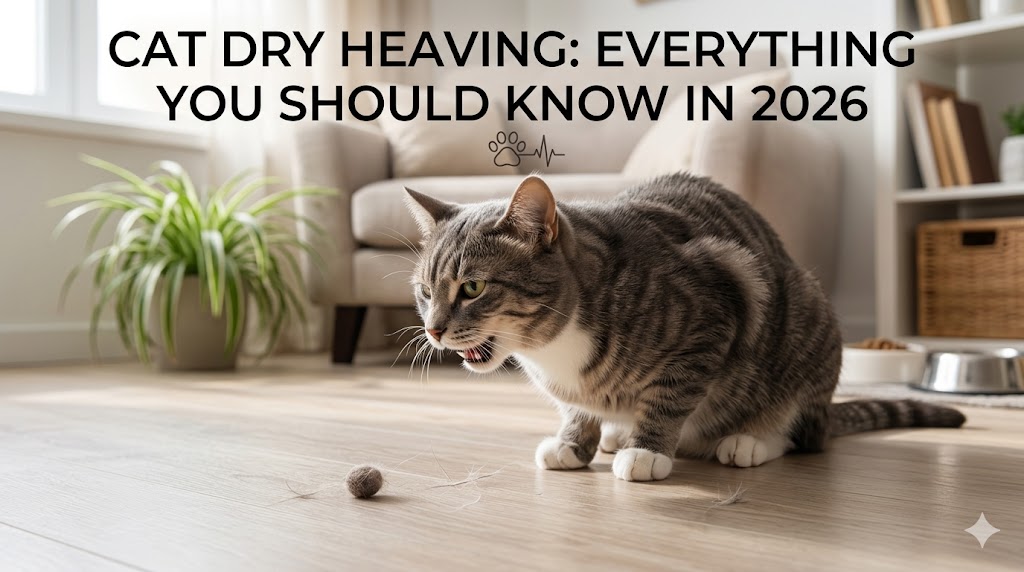
Dry heaving happens when a cat goes through cough-like actions while making retching and gagging noises but does not throw up anything. Contrary to vomiting, it involves straining of the abdominal muscles without any results. Sometimes, the cat will also assume a low body position close to the floor or extend its head. This action occurs because of a simple irritation of the throat or stomach but recurrent heaving could point to serious illnesses.
What Triggers Dry Heaving in Cats?
There are several triggers which cause dry heaving among cats, including medical conditions and other triggers. First, hairballs are considered to be one of the most common triggers since swallowed fur may irritate the animal’s throat and stomach. Second, respiratory illnesses, such as asthma or infections, may cause coughing in cats. Moreover, allergies and obstructions in the digestive tract may cause a cough-like reaction from cats. In some cases, an owner might confuse dry heaving with coughing. It is vital to identify possible causes of this health problem as early as possible to avoid severe symptoms.
Cats’ Hairballs and Dry Heaving
Cats tend to swallow the loose hair that they have shed after self-grooming every day. Typically, this hairball does not interfere with the proper functioning of their digestive systems. At the same time, in some cases, the accumulation of fur inside the animal’s body may lead to dry heaving. In addition, there are certain breeds of cats, such as long-haired cats, who are more prone to dry heaving caused by swallowed fur.
Some Respiratory Diseases and Dry Heave Symptoms
There are certain respiratory diseases in which dry heaving and similar symptoms can occur in felines. For instance, conditions such as asthma, respiratory infections, or irritation of airways can result in coughing and gagging, causing owners to think that their pets are trying to vomit. In addition, inflammation within the cat’s air passages results in wheezing, congestion, and trouble breathing along with retching. Cats suffering from some respiratory conditions tend to act tired and refrain from engaging in physical activity because they have less oxygen supply. The right veterinary examinations can help differentiate between respiratory disorders and digestive issues effectively.
Warning Signs Linked to Dry Heaving in Cats
In some cases, cat dry heaving is followed by other warning signs that require medical intervention. Breathing problems, constant gagging, tiredness, or lack of appetite are all signs that should not be neglected. Furthermore, there are also cases wherein cats get dehydrated or overly tired due to their constant bouts of retching. In case owners suspect that their cat constantly puking, they need to pay attention if it persists and if the situation improves or worsens over time.
Foreign Objects and Obstructions
A cat is sometimes known to ingest strings, plastics, or other foreign objects inadvertently while playing. These objects, once swallowed by the cat, will lodge themselves within the animal’s digestive tract, causing irritation in the stomach and leading to the development of symptoms of dry heaves unexpectedly. Moreover, obstruction of the intestine could be potentially fatal if the issue is not addressed in time. Cats experiencing such issues tend to cease eating, lose weight rapidly, or show signs of abdominal pain slowly developing over time. Immediate medical assistance should be sought by pet owners when there are indications that their cats have ingested any foreign objects.
Food Sensitivity and Dietary Adjustment
Sudden changes in a cat’s diet can irritate the stomach lining, leading to vomiting or nauseating sensations. Sometimes certain food elements cause unexpected allergies or stomach problems for a cat. Furthermore, poor nutritional values and excessive feeding can cause digestive issues on occasion. It is not unusual to see signs of sickness in a cat won’t eat canned food suddenly, especially if there is nausea or stomach irritation involved.
Determining The Right Cause Of Cat Dry Heaving
There are various ways to diagnose the right cause of a cat experiencing dry heaving episodes. One of the procedures includes physical examination that helps examine the breath, abdominal pain, hydration level, and irritation of the throat. Besides, blood test, ultrasound scanning, and X-ray can help determine whether a cat has any infection, inflammation, or blockage in the digestive tract. Knowing the right cause of a cat dry heaving makes it easy for a vet to recommend better treatment options for successful recovery.
Cats’ Treatment Options and Care from Veterinarian
The treatment method will depend largely on the cause behind cats’ dry heaving episode. Hairball can be treated by helping cats maintain good hygiene through brushing and providing food recommended by a vet. Respiratory infections need to be treated using antibiotics to alleviate inflammation. If a cat suffers dehydration or any blockage, hospitalization is necessary. A cat suffering from severe dry heaving needs fluids and proper diet.
The Role of Supportive Home Care in Recovery from Dry Heaves
Proper supportive care is essential when it comes to ensuring the recovery of cats experiencing dry heaves. Cats should be given comfortable places to rest and avoid any stressful experiences. Proper hydration and easy-to-digest foods will ensure healthy digestion and aid recovery. Regular monitoring of litter box habits and appetite helps pet owners monitor the animal’s health condition. Grooming helps reduce fur swallowing and minimize the chances of developing hairballs in the future. This also helps pet owners detect any worsening symptoms and create safe conditions for their recovery.
Prevention of Dry Heaves in Cats
Effective prevention helps significantly reduce the number of dry heaves attacks experienced by cats. Regular grooming helps remove excess fur that may later lead to hairball development, particularly in long-haired cats. Well-balanced diets and proper hydration contribute to better digestion and decreased irritation of the stomach. Pet owners should make sure that their cats do not get access to potentially dangerous items such as strings and other toxic materials. Timely veterinary examinations allow detecting signs of respiratory or digestive issues at the earliest stage.
Long-Term Prognosis for Cat Dry Heaving Cases
Felines frequently make full recoveries following proper treatment of the underlying condition. Mild cases of dry heaving resulting from transient inflammation of the gastrointestinal system or hairball ingestion will generally get better within a short while. Chronic illnesses affecting the respiratory or digestive systems tend to be manageable by means of medications, special diets, and regular visits to the vet. Knowing how to manage cat dry heaving cases in the long run will enable pet owners to live healthier lives.
Emergency Veterinarian Assistance Needed When…
There are certain symptoms of cat dry heaving that call for emergency vet care immediately due to risks that delay in getting treatment can impose on cats. Trouble breathing, weakness, swollen belly, or lack of appetite will always need to be addressed by a veterinarian. Persistent gagging accompanied by no discharge may signify the presence of some sort of dangerous obstruction within the feline’s digestive tract. Cats who exhibit such symptoms as collapsing, excessive drooling, and obvious pain must receive urgent care.
Conclusion
Dry heaving in cats may be brought on by the simple problem of hairballs as well as other diseases related to digestive or respiratory organs. Pet owners who know everything about the most typical causes, symptoms, and treatment can deal with the problem more effectively when it shows up unexpectedly. Proper grooming practices, a nutritious diet, and visits to a veterinarian will drastically lower the chances of a cat developing problems with recurrent gagging. Quick detection of symptoms increases chances of successful treatment and ensures that the cat remains healthy in the future.