Blog
Cat Reverse Sneezing: A Cat Owner’s Complete Guide

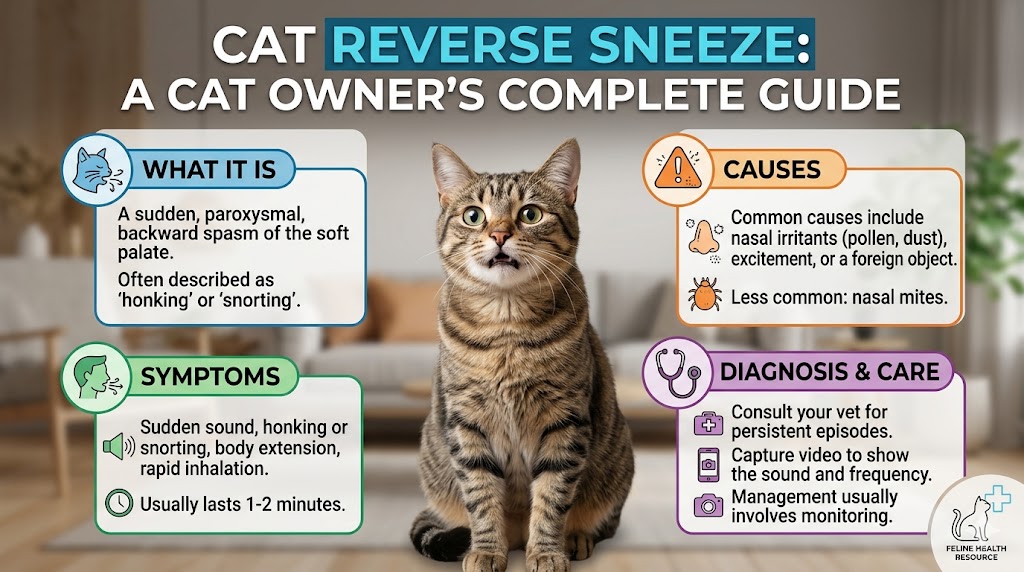
Reverse sneezing is the rapid inhalation of air by a cat through its nose resulting in loud sounds of snorts or honks. Even though this condition can be rather frightening, it typically subsides within minutes. During reverse sneezing, cats generally stretch out their necks and remain motionless making repetitive snorting sounds. As opposed to normal sneezing, reverse sneezing involves inhalation rather than exhalation of air. Due to the confusion among owners regarding reverse sneezing, knowledge on the matter would help avoid unnecessary panic and facilitate proper response from owners.
Signs and Symptoms of Reverse Sneezing
In fact, reverse sneezing can surprise cat owners as it is often accompanied by alarming snorts. While experiencing this breathing issue, felines make wheezing or snorting sounds while drawing air through the nose. Apart from this, some cats tend to crouch and spread out their necks. Furthermore, a cat’s eyes can widen while experiencing reverse sneezing and cats can also look panicking as they cannot stop it immediately. As reverse sneezing shares similar symptoms with various respiratory disorders, distinguishing them from each other will assist owners.
Factors Leading to Reverse Sneezing in Cats
Various conditions can cause cats to engage in reverse sneezing behavior, and the majority of them are associated with irritations in the nasal cavity or the throat. For example, dust, pollens, perfumes, cigarette smoke, and cleaning solutions typically lead to irritation in the nasal passages. In addition, allergies, infections, and extreme excitement can be potential causes of sneezing. Certain cats may develop reverse sneezing due to rapid consumption of food and quick water drinking. Also, environmental irritants such as dry air and strong smells can aggravate irritation. There are various triggers for reverse sneezing, and owners must determine them to reduce the chances of occurrence.
Reverse Sneezing Due to Allergies and Irritation Factors
The majority of cats suffering from allergies have more reverse sneezing episodes since allergens irritate delicate nasal membranes. Common allergens include pollens, molds, dust mites, and household sprays used indoors. In addition, candles, perfumes, and smoke cause significant breathing irritation among felines. Reverse sneezing becomes more common during allergy seasons because there are more airborne particles both indoors and outdoors. Therefore, eliminating environmental irritants can help cats breathe easily and minimize sneezing occurrences.
Respiratory Infections Leading to Reverse Sneezing
The inflammation of the nose and throat due to respiratory infections may result in the occurrence of reverse sneezing. Some typical causes include viruses, bacteria, and feline upper respiratory conditions. The infection results in irritation and excessive secretion of mucus in cats, thus causing sneezing, runny eyes, nasal discharges, and periodic reverse sneezing attacks. Moreover, kittens and elderly cats are prone to suffering from respiratory infections due to weak immune systems. As the untreated infections tend to become severe gradually, cat owners must be vigilant about monitoring their pets’ symptoms. Timely veterinary consultations help prevent potential complications and facilitate recovery processes.
Do Hairballs Cause Reverse Sneezing in Cats?
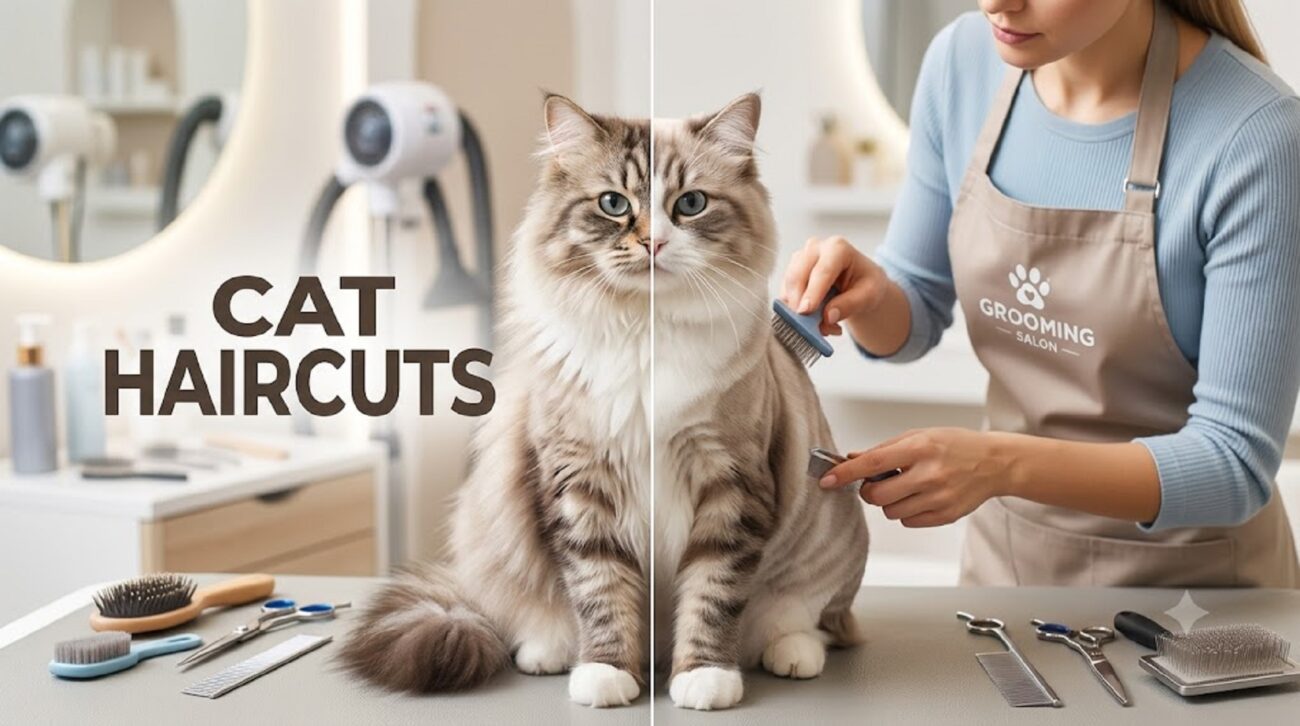
Cats are constantly licking their coats to keep themselves clean, and the ingested fur leads to reverse sneezing since the irritation affects the throat and air passages. When the cats ingest hair, it results in coughing and gagging, and at times, it produces unexpected snorting sounds like those made by reverse sneezing. Long-haired cats typically suffer from such problems, considering that they ingest more fur while grooming. Consequently, owners must brush their cats frequently to avoid the risks of irritation.
Difference between Reverse Sneezing and Feline Asthma
It is common for cat owners to misdiagnose their pets’ condition by thinking that reverse sneezing is feline asthma as both illnesses affect respiration. While reverse sneezing entails snorting air rapidly into the nose, asthma is characterized by wheezing and trouble exhaling. Asthmatic episodes cause affected cats to squat on the ground and breathe through their mouths with difficulty. On the contrary, episodes of reverse sneezing normally end quickly, and the condition seldom requires immediate medical intervention. Since feline asthma can become life-threatening without proper treatment, pet owners must be aware of the differences.
Is Reverse Sneezing Harmful to Cats?
The reverse sneezing condition is usually not dangerous for cats if their health is in good condition. It is worth noting that most cats recover from the episode quickly, but the experience can be scary to both the animal and its owner. Nonetheless, frequent or intense reverse sneezing sessions can signal other diseases such as an infection or allergies. The owner should consider visiting a vet if there are several reverse sneezing episodes, as further treatment will be necessary.
Determining When to See a Vet
Reverse sneezing should be brought up to a vet when it happens often, severely, and is associated with other symptoms. The warning signs for the problem include struggling to breathe, blue gums, lethargy, appetite loss, coughing, and nasal discharge. In addition, if the attacks last for several minutes, there might be an underlying health problem. As cats tend to disguise illnesses, it is important to take note of any change in their breathing habits. Doctors can examine the nose, throat, and lungs of cats to find any potential infections, allergies, and structural problems. Early diagnosis will ensure that cats receive proper treatment while remaining active and healthy.
How Does the Doctor Diagnose Reverse Sneezing?
Doctors diagnose reverse sneezing through symptom evaluation, medical history review, and physical examination. They start by listening to a cat’s breathing and examining its nose, throat, and mouth to detect any irritation and blockage. If the symptoms are severe or recurring, doctors may recommend running further tests, such as X-rays, blood analysis, and nasal exams. Such measures will allow them to identify any infections, asthma, tumors, or objects in the airway. Reverse sneezing is similar to various respiratory diseases, which makes diagnosis critical.
Treatment for Reverse Sneezing
Reverse sneezing is managed based on the causative factor and severity of the condition. Allergic reactions could be treated through antihistamines and environmental changes. The same applies to infections, which may necessitate antibiotics and supportive therapy. Mild cases do not need any medications, but owners should monitor their cats’ symptoms and limit any potential triggers. Humidifiers may prove helpful when treating irritation in the nasal passages during dry weather conditions. The treatments differ for each cat, and consulting a veterinarian ensures proper management of the disorder.
Natural Home Remedies
There are some natural solutions that could reduce the number of reverse sneezing episodes. For instance, keeping the living environment clean helps minimize dust and air contaminants. The use of air purifiers and humidifiers may improve air quality, ensuring minimal irritation in the nose. Avoid smoking and the use of perfumes around cats suffering from this disorder. Gently stroking the cat and speaking softly may help calm the animal. Nevertheless, one should never force anything in the cat’s nostrils or mouth.
Preventing Reverse Sneezing Attacks
Preventive measures play a critical part in preventing reverse sneezing attacks and ensuring your cat is comfortable. You need to maintain cleanliness in your home because the dust in litter can easily lead to nose irritation in your cat. In addition, using a vacuum cleaner on your carpet and washing bedding can help reduce allergens in your home environment. Eating healthy foods and keeping hydrated will ensure your immune system functions well. Using a humidifier can help your cat’s nasal tissues stay moist during dry periods. Since different felines react differently to the environment around them, you need to be keen to identify any patterns.
Reverse Sneezing in Kittens and Older Cats
When reverse sneezing affects kittens and old cats, it requires additional care because they are more likely to suffer from complications than other cats. For example, kittens are at risk of respiratory infections that can escalate if not treated early enough. Old cats have a higher risk of developing allergic reactions or having nasal polyps among others. Therefore, it is essential to observe reverse sneezing in such cases and consult a vet whenever necessary. You should watch out for appetite loss, fatigue, or breathing problems.
Emotional stress and reverse sneezing
Emotional distress can provoke reverse sneezing in cats due to an impact on breathing that can result from emotional stress. Loud noises, strange visitors, transport, or any other stressful situations may cause such reactions in sensitive animals. As a result, cats experiencing stress may suffer from temporary respiratory irritation or quick breathing reaction. A comfortable and peaceful atmosphere can help avoid episodes caused by stress in anxious pets. Apart from the mentioned tips, keeping a constant schedule, comfortable resting areas, and gentle contact with nervous cats is essential.
Conclusion on cat reverse sneezing
Although cat reverse sneezing is quite a terrifying phenomenon, the issue is rather harmless provided that pet owners take appropriate steps. The causes of the problem, its symptoms, and ways to treat sneezing help avoid panic in such cases while ensuring cat health. Apart from the mentioned tips, avoiding allergens, keeping cats in a clean and safe environment, and observing possible respiratory changes can prevent sneezing attacks. Despite being occasional and fast-resolving, persistent episodes require professional veterinarian examination.