Blog
Cat Constantly Puking Explained: Tips, Facts, and Vet Insights

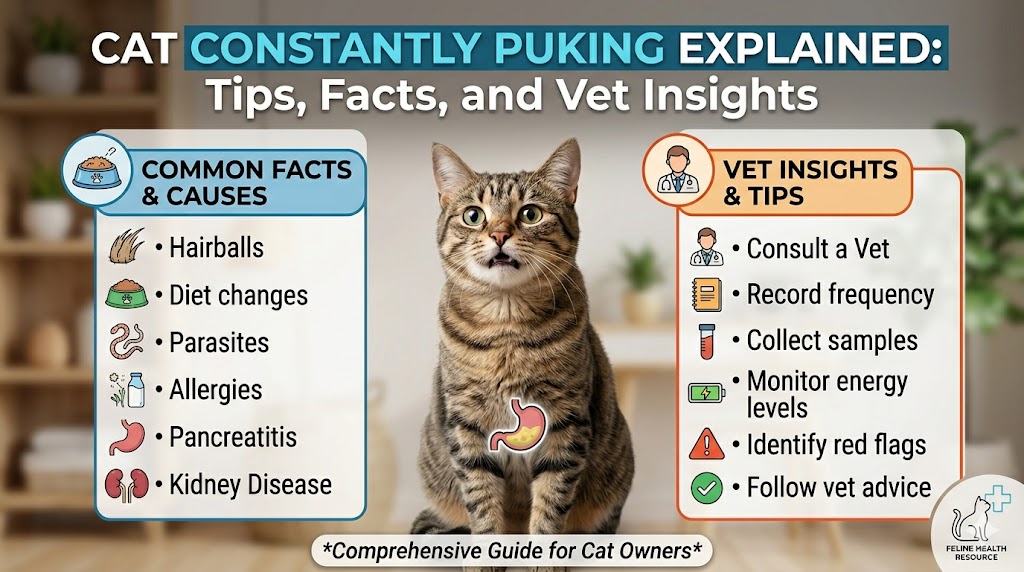
Cats puke quite frequently because they have digestive systems which are highly sensitive to various irritations and stresses in addition to diet changes. Sometimes, vomiting doesn’t mean something too alarming since hairballs or mild stomach upsets cause it. Nevertheless, if puking is common, one shouldn’t ignore it because it could be a symptom of various diseases. Moreover, it could result in dehydration, fatigue, as well as other serious consequences. Being aware of cat vomiting causes helps owners identify the symptoms on time and protect their cats from possible health problems.
Differences Between Vomiting and Regurgitation
Vomiting vs. regurgitation might seem alike but the former differs greatly from the latter. As opposed to regurgitation, vomiting includes forceful abdominal muscle contractions which push undigested or partially digested food outwards. Also, vomiting implies pre-episode symptoms like drooling, nausea, and gagging. On the contrary, regurgitation takes place fast, it is effortless, and it consists of undigested food being expelled from the esophagus. These two health problems have different causes which makes them easy to differentiate.
Vomiting as the Result of Hairballs in Cats
The issue of hairballs is still one of the reasons for constant puking in cats because they ingest hair while licking themselves. Long-haired cats suffer from such issues much more than others because of high shedding rates. When ingested hair accumulates inside their stomachs, it causes irritation and causes cats to throw up. Besides, hairballs cause coughing, gagging, and loss of appetite. Regular brushing will help you prevent such issues since it removes loose fur from your cat’s body, preventing them from being swallowed. Besides, eating hairball diets and providing enough fluids helps avoid frequent vomiting incidents.
Vomiting after Eating Too Quickly
Another reason for vomiting is that cats sometimes eat too fast. As soon as they eat too quickly, their stomachs become stretched suddenly and start causing them to vomit soon after. Furthermore, competition between animals when eating often leads to air swallowing in the process. You can slow down eating by feeding your pet with food puzzles, small pieces of food, or slow-eating dishes. Feeding a smaller amount several times a day will ensure better digestion for your pet as well.
Causes of Food Allergies and Sensitivities in Cats
Allergies and sensitivities often lead to constant vomiting in felines as various elements might irritate the cat’s digestive system, resulting in an upset stomach. The most common irritants are dairy, fish, beef, preservatives, and low-quality fillers. Moreover, some cats might experience skin irritation or itching alongside vomiting. To determine which elements are the cause, veterinarians usually prescribe food elimination to rule out problematic items. Limited ingredient or hypoallergenic food might help the condition improve greatly with further observation. Since the problem tends to worsen without proper identification, observing the changes will help pet owners maintain the health of their furry friends.
Vomiting Due to Change in Diet
Felines’ vomiting is often linked to a sudden change in food intake. Rapid changes in the cats’ nutrition make them unable to digest newly introduced components properly. The result of such a disruption is digestive issues like vomiting, diarrhea, or loss of appetite. As such, the best way to introduce a new diet into your cat’s routine is to mix it gradually during 7-14 days with previous food. It will allow your pet to adapt to the diet and avoid vomiting.
Intestinal Parasites and Frequent Vomiting
Parasites can cause frequent vomiting because they irritate the digestive tract and steal important nutrients from the body. Kittens face higher risks, although adult cats can also develop worm infestations through contaminated food, soil, or fleas. Additionally, infected cats may lose weight, develop diarrhea, or appear tired and unhealthy. Veterinarians diagnose parasites through stool testing and prescribe appropriate deworming medication. Since untreated parasites may cause serious health problems, regular veterinary checkups and preventive treatments remain essential. Proper parasite control supports healthier digestion and overall feline wellness effectively.
Stress and Anxiety Can Affect Digestion
Stress affects feline digestion more than many owners realize because anxious cats often develop stomach problems during emotional changes. Moving homes, introducing new pets, loud noises, or changes in routine can trigger vomiting episodes. Additionally, stressed cats may hide, eat less, or groom excessively alongside digestive symptoms. Creating a calm and predictable environment helps reduce anxiety-related stomach upset effectively. Owners should provide quiet resting spaces, regular feeding schedules, and gentle interaction for emotional comfort. Lower stress levels often improve digestion while reducing vomiting frequency in sensitive cats.
Toxins That Induce Vomiting
Sometimes cats vomit due to ingestion of poisonous chemicals that either irritate their stomach lining or damage their internal organs. Cats might ingest household cleaning products, poisonous plants, expired food products, human drugs, or human food items. Poisoned cats usually have excessive salivation, exhibit weakness, or suffer breathing problems. Some toxins can quickly become lethal to cats. Therefore, one should seek veterinary services immediately if their cat ingests poisonous substances to avoid fatal outcomes. Avoiding access to poisonous items will protect a cat from accidental poisoning and vomiting.
Chronic Diseases Causing Vomiting
Vomiting might occur regularly as a symptom of various underlying diseases which can only be treated using special medications prescribed by the vet. Some common disorders affecting felines include kidney failure, diabetes mellitus, hyperthyroidism, inflammatory bowel disease, and many others. Besides that, elderly cats are more likely to suffer from some chronic condition that causes vomiting in them repeatedly. These symptoms are usually accompanied by signs like weight loss, lack of appetite, dehydration, or lethargy. Early detection of any health problem is crucial in cats.
How Vomiting Is Diagnosed By Vets
Diagnosis of chronic vomiting involves an evaluation of symptoms and medical history by a vet. The animal undergoes a physical examination to detect dehydration, abdominal pain, and other symptoms of health problems. Furthermore, vets can recommend tests such as blood tests, x-rays, ultrasound tests, fecal analysis, and endoscopic examinations to detect any undiagnosed problems. Due to the wide variety of possible causes of vomiting in felines, thorough examinations are required to determine the exact problem and start the appropriate treatment. Owners need to keep track of symptoms like vomiting frequency, appetite, and abnormal behavior.
How to Treat Vomiting in Cats
Treatments of vomiting vary depending on the cause and severity of the symptom. Vets can prescribe medication to control nausea and inflammation of the gastrointestinal tract. They may also prescribe drugs to control infections and eliminate any parasites. Dietary changes are recommended when vomiting is caused by food allergies or other digestive problems. Intravenous fluid therapy may be needed to correct dehydration in some cats. It is important that owners adhere to all instructions from veterinarians, as inappropriate medication can make symptoms even worse.
Home Remedies for Cats that Vomit
Effective home remedies will aid in the recovery process and also prevent recurrence of such instances. First, ensure that there is fresh water always for your cat since vomiting will definitely lead to dehydration. Secondly, you can try out giving smaller portions in frequent intervals. This will aid in digestion while preventing stomach irritation. In addition, there are special foods that your veterinarian might recommend which will aid in soothing the stomach and helping in healing. Watching the litter box is vital since it will alert you about any further digestive challenges. It is also important to maintain stress-free environment for your kitty.
How to Prevent Vomiting in Cats
Prevention is key to keeping your cats healthy by ensuring they do not have frequent bouts of vomiting and other digestive problems. Regular brushing will be necessary to keep hairballs at bay. Feeding cats healthy food is necessary. Introduction of new food needs to be done in small steps. Some human food could also result in digestive problems thus avoid feeding your cat any human food. Lastly, take your kitty for regular veterinary checkups since there could be underlying diseases that need to be diagnosed.
Warning Signs You Shouldn’t Ignore
Certain signs associated with vomiting in cats must be taken seriously since they may point toward life-threatening problems. If your pet is throwing up blood, showing signs of weakness, having trouble breathing, experiencing seizures, or unable to retain water, then you must seek emergency veterinary services. Moreover, vomiting that is persistent in nature accompanied by diarrhea or abdominal bloating may lead to life-threatening situations. Young and elderly cats are especially vulnerable because dehydration occurs rapidly in such cases. Lack of appetite and rapid weight loss should be evaluated by a vet as soon as possible.
Conclusion
In conclusion, cats are known for vomiting under various circumstances, including harmless ones like hairballs and more serious concerns like medical illnesses. While vomiting is sometimes considered a typical behavior, one must take measures if the cat frequently vomits. Familiarizing yourself with the common causes, warning signs, and ways to avoid vomiting will enable you to address the issue adequately. Furthermore, appropriate nutrition, managing stress levels, timely grooming, and proper vet care will help prevent frequent vomiting in the future.