Blog
Do Cats Get Colds? Every Cat Owner Should Read

Cat owners always get concerned when they notice that their pet starts sneezing or exhibiting some signs of being sick. Of course, they wonder if cats are able to catch colds. Unfortunately, the truth is that yes, they can suffer from an upper respiratory infection, which might be considered as similar to a cold experienced by humans. Therefore, knowing the peculiarities of these diseases is extremely important. Also, prompt actions allow avoiding the development of further complications. In this guide, you will find all the information about cat colds.
What Is a Cat Cold?
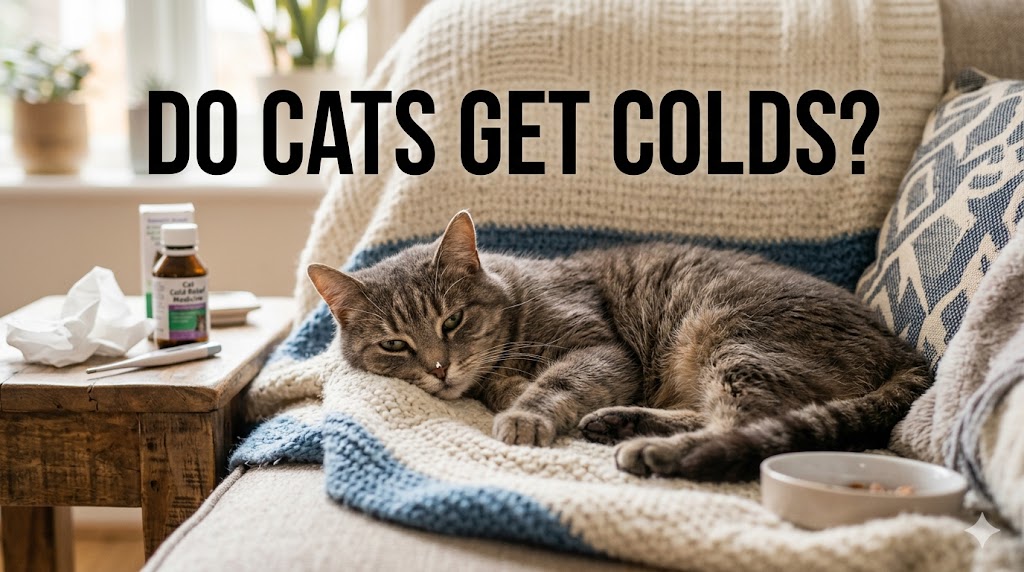
The notion of a “cat cold” actually refers to upper respiratory infections that occur in cats. These illnesses influence the throat, nose, and sinuses of your pet, which means that the signs are very similar to those of a regular cold suffered by humans. However, there is one significant difference because cats get infected with feline-specific viruses that can easily infect other cats. Thus, finding out more about cat colds is critical for cat owners.
Can Cats Get Colds from Humans?
Perhaps one of the most commonly asked questions about this topic is if cats get colds from their owners. Luckily, the answer to this query is negative. This is because the viruses responsible for causing colds in people are distinct from those which cause illnesses in cats. However, there may still be situations wherein your kitty can suffer from some illness through interactions with fellow cats or an environment laden with pathogens. As such, it is imperative that owners practice good hygiene practices and avoid exposing their pets to potential disease carriers.
Common Reasons Why Cats Have Colds
As previously mentioned, the primary cause of cat colds is infection by a virus. Specifically, feline herpesvirus and calicivirus are the most usual agents behind feline respiratory infections. Bacteria might also lead to secondary infections. Other causes include stress, malnutrition, and poor immune system health. Since cats are prone to getting sick when exposed to these pathogens in shelters and multiple cat households, they should be aware of these facts to ensure protection.
Cat Cold Symptoms
It is easy to spot symptoms of a cold in a cat. The symptoms include sneezing, coughing, a runny nose, watery eyes, fever, and congestion. The cat may also lack appetite. It is because cats depend much on their ability to smell food before eating it, and congestion interferes with that. Besides, the cat will show signs of being lethargic. Thus, you need to be aware of such symptoms since detecting them early will help treat them promptly. As a result, your pet will quickly get better and avoid any complications.
Are Cat Colds Dangerous?
Typically, cat colds are harmless and heal in one to two weeks’ time. Nevertheless, colds can turn out dangerous if the infection is not treated. The cat might develop pneumonia or other severe respiratory diseases. Cats with weak immune systems are susceptible to complications. Kittens, old cats, and cats with health problems are also vulnerable to the illness. That is why you should monitor the health of your cat regularly. Even mild symptoms should not be neglected.
When to Seek Help?
Although mild symptoms may not necessarily need urgent attention, there are several situations that warrant prompt medical intervention. For instance, respiratory distress, presence of thick discharges from the nose, and refusal to eat should be of great concern. Similarly, high fever and severe lethargy are also symptoms pointing to the need for veterinary attention. Given that these may be signs of underlying problems, seeking timely medical care will be very important. Thus, keeping a watchful eye on the behavior of your cat will assist in providing prompt assistance.
Infection Transmission in Cats
Infections among felines are easily spread via contact with infected cats or objects such as utensils or litter boxes. Besides, food dishes and bedding materials can cause transmission of diseases. In addition, respiratory droplets emitted by sneezing serve to transmit infections between cats. The fact that such viruses remain viable for some days implies that hygiene will go a long way. Furthermore, introduction of newly acquired cats increases the risk of infections.
Methods for Treating Feline Colds
There are several methods for treating cat colds that mainly focus on alleviating symptoms and aiding recovery. For instance, rest and hydration are usually enough in cases of mild infection. In addition, a vet can prescribe medicine for bacteria or serious symptoms. Since antibiotics have no effect on viruses, they are prescribed if needed. Besides, proper nutrition is crucial for your pet’s health. As a result, consulting a professional will ensure adequate treatment. Taking care of your cat at home allows for a more comfortable healing process.
Advice for Cat Owners
It might be challenging to take care of your sick cat at home, but you need to remain patient and attentive. Ensuring that your pet is warm and comfortable contributes to its faster recovery. Using a humidifier will make it easier for your cat to breathe. Feeding it wet food may help because of decreased appetite due to poor smell. Besides, hydrating your cat should be a priority since it needs plenty of water.
Cat Cold Prevention Techniques
Prevention is crucial in safeguarding cats against colds and respiratory diseases. Immunizations are highly recommended to reduce the risks associated with viruses. Also, a sterile surrounding will prevent infections from spreading. As stress compromises the body’s ability to fight infections, a conducive environment should be provided. Proper diet also promotes good health and boosts the body’s immune response. Hence, adopting preventive strategies will ensure that your pet remains healthy.
Importance of Immunizations
Immunization is one of the most reliable strategies used to combat respiratory diseases in cats. Core immunizations cover viruses such as feline herpesvirus and calicivirus. Also, booster immunizations are administered periodically to build immunity levels. Although immunizations cannot prevent infections entirely, they mitigate the effects of symptoms. Furthermore, infected animals that receive vaccines recover quickly without experiencing complications.
Special Attention for Kittens and Older Cats
Both kittens and older cats need to be handled with special attention when suffering from cat colds because their immune system is weak. They also tend to recover faster, so their symptoms can worsen rapidly. It is imperative to monitor them constantly. Furthermore, feeding them nutritious food and keeping them warm is critical during the recovery period. It is advisable to seek veterinary guidance immediately to ensure that the vulnerable cats receive the best care.
Myths about Cat Colds
Many misconceptions surround cat colds, and these misconceptions often mislead pet owners. Many people believe that cats cannot contract colds, and this belief is inaccurate. There is also an erroneous belief that medicines prescribed for humans can be used to treat cat colds. Since such misconceptions can prove to be detrimental to your pets’ health, it is imperative to obtain accurate information.
Prognosis for Cats That Have Colds
In most cases, cats usually recover from a cold in a relatively short period provided that the owner gives them all the attention they need. In some situations, however, a cat might carry a virus leading to recurrence of the condition at later stages. In addition, other factors such as stress or illness can cause an outbreak in case of a cold. Hence, it becomes imperative to give one’s cat the appropriate medical attention for a better prognosis.
Time to Take Your Cat to the Veterinarian
It should be determined depending on whether it is having a cold or any other complication. In the event your cat’s symptoms do not clear up after a few days, you should consider taking him or her to a veterinarian. Similarly, if your cat shows signs of respiratory problems or refuses to eat anything, then he or she requires your attention.
Conclusion: The Real Deal about Cats Catching Colds
The truth of the matter is cats can catch a cold; however, they do not suffer from human colds. In most cases, felines catch colds due to viruses that only affect them. As such, it is very important that cat owners learn everything they can regarding their pets and colds since sometimes feline colds may turn out to be severe. In addition, prevention is very important.