Blog
Cat’s Claw Tea Explained: Tips, Facts, and Vet-Insights

Natural remedies become increasingly popular with pet owners who look for natural ways to maintain the health of their pets. One of the herbs that are widely debated on the Internet in relation to immune system support, inflammation, and overall health is cats claw tea. Nevertheless, even though cat’s claw becomes an increasingly popular natural supplement among people, many pet owners do not know what cats claws tea is and whether this tea can be consumed by cats safely.
What Is Cats Claws Tea?
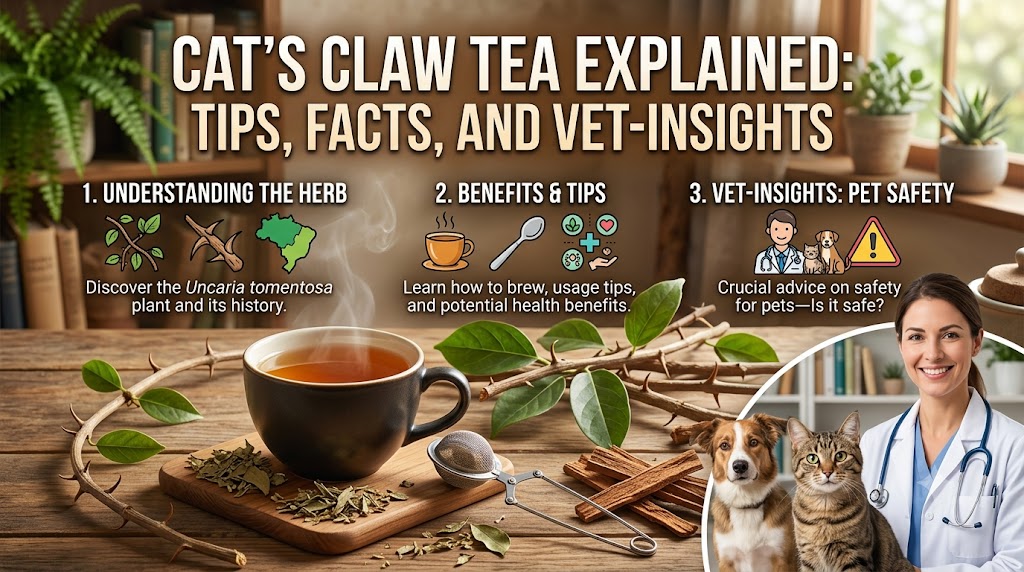
Cats claws tea is a herbal drink created based on the bark and roots of Uncaria tomentosa – a tropical vine native to the rainforests of South and Central America. Moreover, this plant has long been applied in herbal medicine due to its beneficial effects on immune function. However, whereas the use of this herb is quite widespread in humans, its use in the case of cats raises some questions.
Origin of Cat’s Claw
The plant’s curved thorns look like cat’s claws, hence the name. The herb was traditionally incorporated into the practice of indigenous communities for a variety of wellness applications before the advent of modern supplements. In addition, herbal medicine practices often refer to the plant as a natural anti-inflammatory and immune booster. In turn, cat’s claw became popular globally and was sold in various forms such as teas, capsules, extracts, and supplements.
The reason why pet owners ask about herbal remedies
A large number of people who own cats face health issues and look for natural remedies. Some are concerned about side effects of traditional medicines and others any kind of holistic treatment if possible. Also, there are often online forums where people discuss herbal remedies as a remedy for many ailments. Therefore, pet owners looking for complementary healthcare solutions are drawn to herbs like cat’s claw. But natural is not necessarily safe for cats.
It is important to know how herbal products affect cats
Cats metabolize things differently than people and even differently than dogs. They have a special metabolism that restricts their capacity to metabolize some compounds safely. As such, items that are safe for humans can cause issues for cats. Also, there is not much scientific research that has been conducted to evaluate the effectiveness of numerous herbal remedies for cats. So, it is particularly important to carefully seek veterinary advice when considering supplements or botanicals for feline friends.
Cats Claw Tea: Why It has grown to be Popular?
Cats claw tea is gaining popularity due to its purported immune and anti-inflammatory benefits. There are compounds in the herb that have been suggested as having an effect on immune function and responding to inflammation. Plus, wellness communities often speak about the prospective well-being benefits. Most evidence available however is on human uses and not veterinary medicine. Therefore, it is difficult to directly apply these statements to cats.
Active Compounds Found in Cat’s
Claw Cat’s claw contains several biologically active compounds that have been identified. These are called plant polyphenols, antioxidants, glycosides and alkaloids. Also, the compounds might account for the biological activities reported from the herb. Scientists are still working on these chemicals, but there is little understanding of their effects on a cat’s physiology. Therefore, prudence must be exercised when thinking about giving any herbal supplement to cats because there is only limited species-specific safety information.
Discussions of potential benefits were focused on human medicine
Human use and traditional medicine have linked cat’s claw to immune system support, antioxidant properties, and inflammation regulation. In addition, people incorporate the herb in their overall wellness regimens. Yet there are mixed results and science is still evolving. However more importantly, results from human studies cannot be extrapolated to cats without additional research. So, the owner should not expect the same benefits for their feline family members without consulting a vet.
A feline-oriented research arm within Cats Claw Tea
The first is that there is minimal research conducted on cats. There are very few studies that have looked specifically at the use of claw tea with cats. As such, veterinarians have no good evidence to recommend optimal doses, long-term safety, and effectiveness. If there is no reliable research, making a recommendation for routine use becomes challenging. So, most veterinarians are cautious and follow treatment strategies based on scientific evidence for a feline health concern.
Is Cat’s Claw Tea Safe For Cats?
The answer is, no, it’s not safe. Since full research in felines is not available there are no universally accepted guidelines as to administration. Also, the strength, purity, and formulation of herbal products vary from one to another. This means that someone could accidentally overdose or ingest an unwanted ingredient. The majority of vets advise against using herbal products unless prescribed by a veterinarian who is knowledgeable in feline medicine.
Possible side effects and risks
Natural products may also cause side effects. Side effects and risks may include gastro upset, vomiting, diarrhoea, altered appetite and interactions with other medicines. Also, cats who have other health problems may be at higher risk. Recent studies have suggested that when people use herbal products, they may be taking extremely small quantities, yet they can experience the effects of the plants’ concentrated compounds, which could be unexpected. Therefore, it is advisable that owners never add new supplements without discussing this with their vet.
The importance of veterinary advice
Supplements can be recommended based on various factors, which veterinary professionals take into account when deciding on appropriate recommendations, including the dog’s age, weight, health status, medical history, and ongoing medications. In addition, they assess the risks and benefits of potential interventions based on the evidence available. As a result, expert advice minimizes risk of problems and poor treatment decisions. Wherever there are questions about feline health, the best place to find an answer is from your veterinarian, as far as supplements and alternative treatments are concerned.
Cats Claw Tea and Immune System Claims
There is a lot of advertising and literature that states cats have increased immunity when they chew on tea leaves. Laboratory studies have investigated the immune effects in both humans and experimental models but there is no definitive evidence in cats. In addition, immune systems in different species are different. Therefore, any inferences of feline benefit should be made with care. Owners need to trustonly veterinary advice, not marketing claims.
However, there is a problem with self-medicating cats
The dangers of self-medicating pets according to internet advice are great. When symptoms like lethargy, inflammation, digestive issues and appetite disturbances occur, they can be caused by many potential conditions. Therefore, the use of herbal remedies for the symptoms could postpone the right diagnosis and subsequent medical treatment. Veterinary care is often much more effective than untrained treatments and can significantly impact the results.
Some that owners think about Herbal Supplements are the following:
When it comes to supplements, homeowners might be considering them to support a variety of needs, such as the management of chronic inflammation, recovery from injuries, immune support, or aging related issues. In addition, certain individuals opt for alternative methods of treatment along with the veterinary therapy. These are good goals, but all supplements have to be cautioned. Therefore, a mix of optimism and scientific facts are essential to making decisions about feline health in a safe and responsible way.
Many people feel that natural means safe, but, it is not true
One often-held belief is that natural products are always safe. In fact, there are many natural substances that have strong biological activities. Some plants, herbs and essential oils can be extremely dangerous for cats that are sold as natural products for pets’ health. Thus, the use of origin as a factor of safety should be avoided. Veterinary assessment is necessary at all times when contemplating the use of herbs.
Alternative ways to help cats stay healthy
Instead of depending on unverified herbal treatments, it is better to concentrate on evidence-based wellness strategies. Good nutrition, regular veterinary check-ups, adequate water intake, parasite control, and exercise are all important to the well-being of the body. Moreover, it is also known that a healthy environment and low stress are good for the immune system. This is why the basic practices are sometimes more beneficial than experimental supplements.
Is Turmeric safe for cats?
As owners look into herbal remedies for their cats, they are often faced with questions like can cats take turmeric and the question of cat’s claw. Turmeric is a popular ingredient for its anti-inflammatory benefits, but it is important to consider the dosage and safety of consuming the herb. Use of these supplements should be preceded by veterinary advice, as with other supplements. Many herbs that can be eaten by humans can not be used for cats’ diets without consulting a professional.
Interactions With Medications
Sometimes herbal products can interact with prescription drugs. These interactions can make medicines not work as well or make them more likely to have side effects. Also, cats with chronic diseases need extra attention when being cared for. Therefore, supplement use should always be reported to vets. Open communication promotes the safety, effectiveness and personalization of treatment plan.
Cats Claw Tea is discussed in Holistic Veterinary Discussions
In the realm of holistic veterinarians, some veterinarians mention claw tea as a possible complementary treatment for cats. But recommendations differ widely due to a lack of scientific evidence. In addition, good holistic practitioners take the time to assess and monitor each case. At this moment, however, there is no broad consensus within alternative medicine circles on the use of cats.
Will Coconut Oil Hurt Cats?
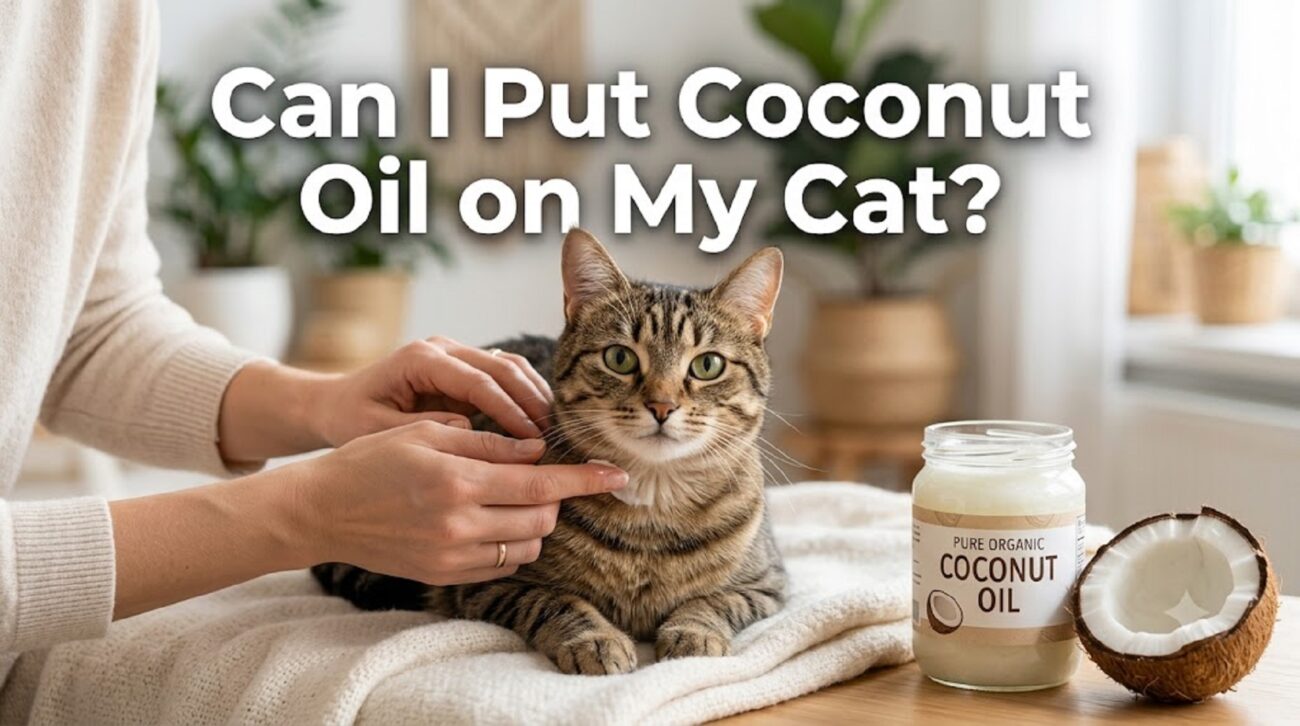
When talking about herbal and natural remedies for cats, owners will wonder if coconut oil is safe for cats. As with many supplements, there are proponents and detractors of coconut oil. Some owners apply it for skin and coat care, but too much can lead to stomach upset or “food poisoning. Therefore, the veterinary advice is important in all cases when considering the use of any supplement, no matter how popular.
Usually, Veterinarians recommend the following treatment:
Most vets favor treatments that have proven scientific evidence and have some sort of safety data. They review research quality, benefits and risks, and patient needs when it comes to supplements. Furthermore, supplementation may be recommended for certain products that have higher quality control if it appears necessary, as well as by veterinarians. Professional recommendations, therefore, are a more solid basis than anecdotal “on-line” recommendations.
Choosing Quality Supplements
When a vet prescribes a supplement, it is really important that the supplement is of high quality. Manufacturing standards, ingredient transparency, and third-party testing further minimize the potential for contamination. Also, there is more information on the label and on dosage that is offered by reputable manufacturers. When purchasing products for animal use, therefore, quality control should continue to be a major concern.
The following are warning signs of use after supplementing:
If you experience unexpected symptoms after taking a supplement, you should take care of them. Adverse reactions include vomiting, diarrhea, lethargy, loss of appetite, excessive drooling or changes in behavior. Therefore, if there are any worrisome signs, the owner should stop using the product and seek veterinary advice immediately. Complications can often be avoided with timely intervention and a quicker recovery.
Future Research and Feline Herbal Medicine
The use of herbs is still gaining popularity, and with further studies it may be possible to answer even more questions about cat’s claw and other botanical remedies. Other, more recent developments in veterinary medicine may also benefit the knowledge of herbs that are safe and effective when used in cats. In the absence of better information, prudent decision making is the best course of action. Continued research is therefore likely to be important in the future to influence recommendations.
Final Thoughts
Cats claw tea is a herbal product that has been used by humans for a long time and is still an intriguing product. But there is not much research into the use of these products on cats, resulting in a number of issues that remain unknown. Although natural remedies can attract some pet owners, it is always important to consult a vet first. In conclusion, a well-informed cat owner can make decisions that will benefit their pet’s overall health and wellbeing for the long term by focusing on evidence-based care, closely monitoring their cat’s health, and consulting with a professional before beginning supplementation.