Blog
Cat Coughing and Sneezing: Everything You Should Know in 2026″

Cat coughing and sneezing occasionally can be easily overlooked. But when these symptoms continue to occur or develop alongside other unusual symptoms in cats, cat owners should take action because cat coughing and sneezing might mean that something else is wrong with their pet’s health. While in many cases, these symptoms are caused by some minor irritation, in other cases, more serious issues could be responsible for the condition of your cat.
Differences between Cat Coughing and Sneezing
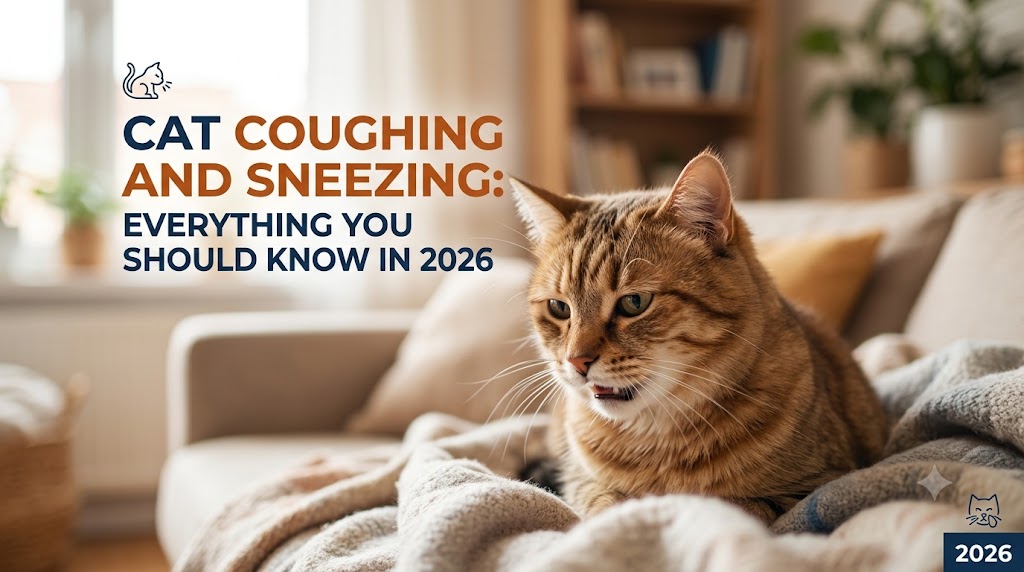
Even though the process of coughing and sneezing look very similar, these processes are not the same. Cat sneezing is always related to the nasal cavity irritation; that is why the process involves the expulsion of air through the nose. Cat coughing happens in most cases due to irritation of the throat area or even lungs. Both of these processes are performed by the body of your cat as self-protection measures against irritants.
Why are Respiratory Symptoms important in Cats?
Cats have a way of concealing their sickness and respiratory problems should never be overlooked. Small shifts could be indicative of potential health issues. In addition, if left untreated, respiratory problems can rapidly get worse. Therefore, observing behavior, coughing, sneezing, breathing, and other factors, can help owners detect problems early. Early interventions can result in quicker recovery and improved long-term health.
Common causes of cat sneezing and coughing
There are numerous possible causes of a cough and sneezing in cats. There are some causes that are relatively insignificant and short term, and some that need veterinary diagnosis and treatment. These symptoms are often caused by respiratory infections, allergies, environmental irritants, asthma, dental disease, and nasal obstructions. So it is useful to know the wide variety of possible causes in helping to assess the seriousness and decide the time for professional care.
Upper Respiratory Infections
The most prevalent cause of sneezing in cats is still upper respiratory infections. These infections are similar to colds and commonly occur in the nose, throat and sinuses. Cats with the infection will also have watery eyes, nasal discharge, loss of appetite and lethargy. Upper respiratory infections are a major issue in feline health and are a common problem in catteries, multi-cat households and shelters.
Infections from viruses and their effects
There are a number of viruses that often cause respiratory issues in cats. Feline herpesvirus and feline calicivirus are still considered to be one of the most common causes of respiratory disease. These viruses can lead to coughing, sneezing, eye irritation and nasal discharge. Besides, some cats may become chronic carriers following infection. Long-term care and prevention strategies, therefore, involve symptom management and immune health care.
Do Cats Catch Cold?
Many cat owners ask, can cats catch cold like humans? Cats cannot catch a cold from a human, but can get a respiratory infection that can cause symptoms similar to those of a cold. Frequently, you will experience congestion; sneezing, watery eyes, and decreased energy. For this reason, feline respiratory infections are frequently referred to as “cat colds”. Veterinary evaluation is necessary, however, as some infections do require medical therapy and supportive care.
Bacterial Respiratory Infections
The viruses are often the causative agent of the respiratory disease, but bacterial infections can sometimes become secondary complications. Bacteria can contribute to the inflammation and exacerbate symptoms. In addition, affected cats might have thicker nasal secretions and chronic disease. Therefore, veterinarians may prescribe antibiotics if there is a high risk of bacterial involvement. Early treatment will often minimise complications and speed recovery.
Allergies in Cats
Coughing, sneezing, may also be caused by allergies. Sensitive cats are typically irritated by dust, pollen, mold spores, cleaning products, perfumes and smoke. Also, depending on the trigger, symptoms may also occur seasonally or continuously throughout the year. Therefore, determining the cause of an allergic reaction to the environment can be a valuable part of alleviating respiratory discomfort. Removing or reducing exposure often greatly reduces symptoms.
Environmental Irritants
Cats have very sensitive respiratory systems. Strong smells, smoke from cigarettes, aerosol sprays, scented candles, household chemicals, and cleaning products can irritate airways. As a result, coughing and sneezing can occur within a few days of exposure. In addition, the irritation can exacerbate preexisting respiratory issues. With that taken into account, it is essential to have a clean space with less airborne irritants to help maintain healthier breathing and less respiratory stress.
Cat Coughing and Sneezing Caused by Asthma
Feline asthma is a chronic inflammatory disorder of cat’s airways, which is a frequent cause of cat coughing and sneezing, and wheezing and difficulty breathing. Inffected cats have airway inflammation that narrows the air passages and limits airflow. As a result, coughing can get to be a regular and upsetting experience. Although the underlying condition of asthma may not be entirely curable, many felines with this condition can enjoy excellent quality of life, if managed appropriately.
Recognizing Asthma Symptoms
Cats with asthma typically have distinctive respiratory symptoms. During flares, the patient might cough frequently, wheeze, breathe faster, and have open-mouth breathing. Also, certain cats will lean over or crouch down to the floor with their necks extended during a coughing fit. Thus, if these signs are recognised early, the owners can seek veterinary help before the condition gets worse or life-threatening.
Nasal Polyps & Obstructions
Chronic sneezing can be caused by physical blockages in the nose. Airflow can be partially blocked by nasal polyps, foreign objects, or abnormal tissue growth. Furthermore, cats with the condition tend to make abnormal noises from their noses and have an increased difficulty breathing from their noses. Sneezing that does not resolve may, therefore, necessitate diagnostic imaging to search for problems with structures in the respiratory tract.
Dental Disease and Respiratory Symptoms
A good number of owners are unaware that a dental disease can lead to respiratory issues. Sometimes, infections to the upper teeth can travel into adjacent sinus cavities. Therefore, sneezing and nasal discharge can occur. In addition, if left untreated, oral infections can impair general health. Good oral health practices can minimise these risks and contribute to good oral and respiratory health.
Why does My Cat Keep On Sneezing?
Owners often ask their web surfing question: why is my cat sneezing so often. Sneezing that occurs from time to time, can be caused by temporary irritation, while frequent sneezing can be a sign of infection, allergies or inflammation of the nose. Also, symptoms associated with the condition give useful hints about the severity of the condition. Hence the recording of the rate and duration of symptoms is useful to help the veterinarian decide on the most likely cause and thus treatment to be given.
Cats sneeze a lot when they are ill
Worrying pet owners often find themselves wondering, why does my cat sneeze a lot. Sneezing once or twice is often due to temporary irritation while consistent sneezing can be a sign of infections, allergies or inflammation of the nose. Also, symptoms associated to the condition are important clues in terms of severity. Thus, by keeping track of the frequency and duration of symptoms, veterinarians can be able to determine the most probable cause and also suggest the ideal treatment.
Fungal Infections in Cats
diseases are not as frequent as viral infections, but they can still be a problem for the feline respiratory system. Some fungi enter the nasal tissues and cause chronic inflammation. Also, symptoms can range from sneezing to nasal discharge, facial swelling, and breathing problems. This is why it’s important to have specialized testing when symptoms are not improving with standard treatments and occur in the respiratory tract.
The spread of disease within Multi-Cat Households
When many cats live together, respiratory infections can be passed from cat to cat quickly. The risk of transmission is high with shared food bowls, litter boxes, grooming and physical contact. This can help to prevent outbreaks by isolating symptomatic cats. Also, good housekeeping and keeping up to date on vaccinations help prevent disease in multi-cat homes.
There are a number of reasons why kittens may cough and sneeze
Respiratory illness poses a greater threat to the young kittens due to the fact that they have a poorly developed immune system. This means that cats can get sicker than normal adult cats in an infection. Any symptoms of sneezing, coughing, a lack of appetite, and lethargy should be addressed promptly. Very early intervention has a significant impact on the outcome and minimises the risk of serious complications in young animals that are vulnerable.
Senior Cats and Respiratory Concerns
Chronic diseases, diminishing immune system function, and old age can lead to respiratory problems in older cats. Also, coughing can sometimes be caused by other illnesses, like heart disease and cancer. This means that any breathing problems in older cats should be taken seriously. By keeping your pet under regular checkup, you can find out about age-related health problems before they become severe or challenging to treat.
Diagnosing Respiratory Problems
A proper diagnosis will take place through a comprehensive veterinary examination. Physical exams, blood tests, nasal swabs, imaging and respiratory tests can all provide helpful information. Also, diagnostic tests can help differentiate an infection from an allergy, asthma and structural issues. Thus, a thorough evaluation enhances the precision of the treatment and boosts success rates.
Treatment for Respiratory symptoms
It is based solely on underlying cause. Supportive care is sometimes necessary for viral infections and antibiotics may be necessary for bacterial infections. Furthermore, asthma therapy includes using anti-inflammatory drugs and making changes to the environment. Thus, personalized management strategies are the best way to manage respiratory symptoms and promote long-term health.
Home Care and Supportive Measures
Owners can aid recovery by supplying a comfortable setting and reducing stress. Additional measures such as fluids, proper nutrition and humidifiers can help alleviate respiratory distress. Also, minimising contact with dust, smoke and strong perfumes helps to maintain the health of the airways. So, home treatment can be used with veterinary care and aids in quicker recovery.
Preventing Respiratory Illness
Routine veterinary examination and vaccinations are the first step in prevention. Vaccines help to decrease the impact and spread of some of the more frequent respiratory illnesses. Also, proper hygiene practices and minimizing contact with ill animals reduce infection risks. Therefore, preventive healthcare continues to be one of the best ways to safeguard the health of feline respiratory systems.
The signs that should prompt immediate veterinary care are
Some signs can be signs of a serious respiratory illness. Significant breathing difficulty, refusal to eat, severe lethargy, open-mouth breathing and blue gums are indications that medical evaluation is needed immediately. Also, if someone is coughing and wheezing or having breathing problems, it should never be neglected. Thus, early recognition of emergency signs can help in improving treatment success and/or save lives.
A long-term outlook for affected cats
Prognosis is very much dependent on the underlying cause. For mild infections, proper management can result in healing, but for chronic infections, like asthma, continued therapy may be necessary. Also, early diagnosis often results in better outcomes. Therefore, close observation of symptoms and compliance with veterinary advice is still crucial in ensuring respiratory health and wellbeing.
Final Thoughts
There are a host of reasons why cats cough and sneeze, from mild irritation to serious respiratory disease. While some symptoms may occur and not be a serious issue, persistent coughing or sneezing should not be disregarded. Cat owners can take steps to ensure their feline friends receive care at the right time and live healthy, comfortable lives by understanding the potential causes of the condition, recognizing its warning signs, and taking veterinary advice when needed.