Blog
Labored Breathing in Cats: A Cat Owner’s Complete Guide

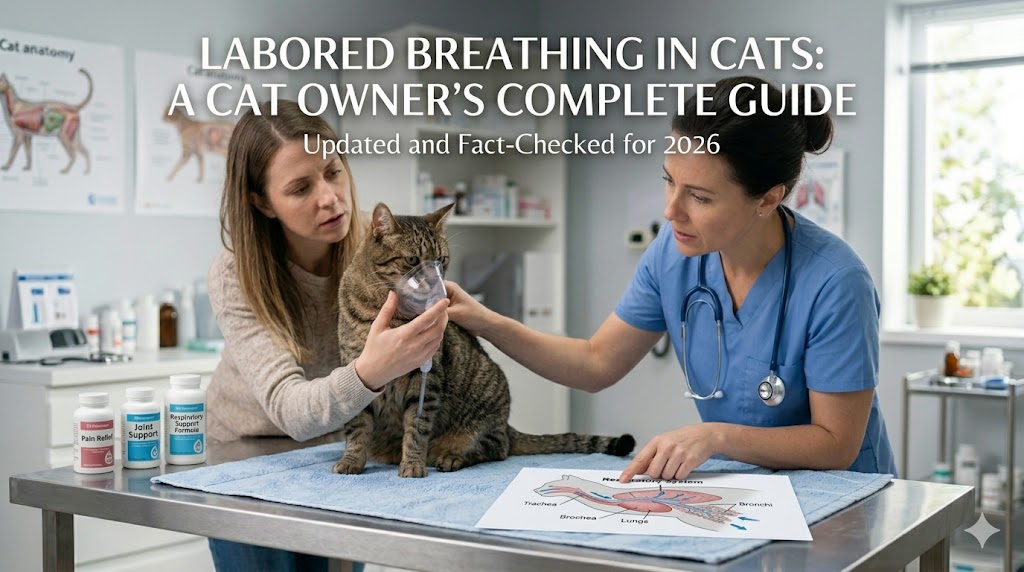
The respiratory issues seen in cats can quickly turn into life-threatening situations for the owners of those pets. Although an increase in respiration after physical activities or stress is common, labored breathing in cats are often associated with underlying health conditions that require prompt professional help. Most cat owners find themselves concerned about excessive chest activity, abnormal respiration sound production, or fatigue shown by their pets. Familiarizing oneself with labored breathing issues is crucial for pet owners since it will allow them to spot emergencies and increase their odds of successful treatment drastically.
Normal Cat Breathing Patterns Explained
Cats that experience good health have regular breathing which is not accompanied by noise or any visible effort. The respiration of healthy animals normally reaches a range of twenty to thirty breaths per minute when the animal is at rest. Additionally, normal respiration does not include such features as whistling sounds during breathing, increased chest movements, or mouth respiration. Owners should occasionally observe their cat’s breathing to form a baseline to compare it to later on if needed.
Medical Conditions That Can Lead To Breathing Difficulties In Cats
A variety of medical issues can lead to breathing difficulties in cats including infections, asthma, allergies, diseases, injuries, fluid accumulation, and pulmonary conditions. Other issues that can worsen a cat’s breathing include obesity and stress. It is advisable not to make assumptions about the causes of breathing problems in your cat since you may need to get help before matters escalate. Finding out what may be causing breathing difficulties in cats helps vets devise appropriate treatments.
Respiratory Infections And Breathing Issues
Cats suffering from upper respiratory infections experience symptoms such as sneezing, congestion, coughing, and breathing issues. Viral infections like feline herpesvirus irritate air passages, which leads to increased production of mucus and breathing difficulties. Bacterial infections may also cause worsening of infections leading to symptoms such as fever and loss of appetite. Cats that are still very young or very old tend to have more complicated respiratory infections because their immune systems cannot fight infections effectively.
Feline Asthma and Airway Inflammation
Asthma continues to be among the commonest causes of breathing problems among cats all over the world. It leads to airway inflammation and constriction, making breathing difficult when experiencing attacks or being exposed to environmental factors. Coughing, wheezing, crouching down, and neck extension in an attempt to breathe comfortably are other manifestations of this condition. Dust, smoke, strong scents, and stress often cause unexpected asthma attacks that must be treated by a veterinarian for the cat to survive. Effective treatment makes breathing more comfortable while preventing respiratory problems.
Allergies and Environmental Irritants
Indoor air quality plays an important role in determining the health of a cat’s respiratory system. The most common environmental irritants causing problems for cats include dusty litter, cigarette smoke, perfume, cleaning agents, and mold spores. Pollen allergies might lead to respiratory tract inflammation resulting in discomfort when breathing. Chronic sensitivity to various irritants is also possible for some cats.
Indicators of Difficulty Breathing in Cats
Identifying critical signs at an early stage can potentially save the life of your cat when you are dealing with respiratory distress. If your pet exhibits open-mouth breathing, labored breathing, blue gums, wheezing, collapsing or lethargy, take him immediately to the veterinarian. Besides, when your cat has cat breathing fast symptoms while resting, he is likely unable to get adequate oxygen from his respiratory system. Therefore, fast breathing together with lethargy and not wanting to feed are indicators of a serious condition developing very quickly in your feline friend.
Cardiac Disorders and Cat Breathing Problem
In some cases, respiratory problems can be caused by heart problems since weak heart functions can affect the circulatory system and the balance of body fluids. For instance, excessive fluid might collect in the lungs area, thus causing trouble breathing. Also, symptoms of weakness, loss of appetite, lethargy and even coughing may present themselves alongside the respiratory problems. It is important that owners take older cats and specific breeds prone to heart diseases to check-ups often for possible problems with their heart.
Fluid in the Chest
Pleural effusion happens if excessive amounts of abnormal fluid appear in the chest area, preventing lungs from fully expanding. Such cases may occur because of the heart problems, diseases, cancer, trauma. Also, it should be noted that cats affected by fluid tend to have rapid breathing and avoid lying down. In addition, emergency help is crucial since fluid retention can develop rapidly and affect health badly. Fluid removal helps to relieve breathing right away while vets will find out what caused breathing issues.
Breathing Troubles Related to Traumas or Injuries
Traumatic events such as an accident, fall, or animal attack can cause breathing problems in cats through injuring the lungs, rib cage, or the whole chest area. Moreover, internal bleeding or lung bruising might occur because of these incidents. Another aspect worth mentioning is that cats try to cover up their injuries and do not show signs of them. Therefore, it is crucial to visit a vet immediately after such traumas happened if owners notice changes in breathing.
Difficult Breathing in Cats during Physical Activity
A few cats will have faster breathing rates after exercising since their oxygen consumption levels will be heightened. They will go back to normal breathing rate after several minutes of being indoors in a relaxed state. Cat rapid breathing after playing can suggest a serious health problem that might need further analysis by a veterinarian. Some of the signs include breathing too rapidly and excessive tiredness. Persistent difficult breathing usually points out underlying medical issues with the animal.
Obesity and Breathing Problems
Overweight animals will face a higher burden when trying to breathe normally since extra fats will place strain on the heart and lungs. In addition to that, obese animals will lack enough physical stamina for physical activities and might face difficulties in breathing especially when it is very warm. Obese cats will not groom themselves properly. Proper nutrition is essential in improving breathing difficulties for obese cats.
Effects of Stress and Anxiety on Breathing
When cats experience stress, it is common for them to breathe rapidly or pant temporarily. Some factors include noise, strangers, traveling, going to the vet’s office, or any other environmental change that can make the cat anxious or stressed. Besides, stressful experiences may exacerbate some pre-existing respiratory issues like heart disease and asthma at times. Although creating a peaceful environment can help, monitoring your cat’s breathing pattern is vital in case you suspect any serious illness. Therefore, any breathing difficulties should never be attributed solely to anxiety.
Heat and Environmental Temperature Hazards
During warm periods, some cats may suffer from breathing difficulties due to increased temperature. For instance, heat often results in overheating or dehydration, which forces the cat to breathe more quickly while cooling down its body temperature. Also, the lack of sufficient ventilation in an environment can contribute to breathing problems when the weather becomes very warm. It is vital to create a cool place for your cat and provide plenty of water to avoid any danger.
Respiratory Distress Diagnosis in Cats
Vets have different ways of figuring out what is causing problems in breathing in cats correctly. These include physical exams, X-rays of the chest, blood tests, ultrasounds, and oxygen testing. Moreover, veterinarians consider breathing sounds and respiratory patterns when diagnosing breathing disorders. It is important that the correct diagnosis be made, as the type of treatment varies depending on the problem. Proper diagnosis ensures treatment success and lowers risks due to incorrect self-management at home that could harm the cat’s breathing and life chances.
Emergency Treatment Options
Emergencies related to cats’ breathing issues start with breathing stabilization and ensuring sufficient oxygen delivery. Often, oxygen helps in making a cat breathe easier while the vet figures out the cause. Moreover, there are drugs that can be used to relieve inflammation, drainage of fluids from the body, opening up of airways, and curing infections, respectively. Sometimes, hospitalization is needed to treat an emergency more safely. In any case, quick action increases the chances of recovery from the respiratory problems dramatically.
Recovery and Home Care Assistance
When it comes to aiding cats’ recovery from respiratory infections, providing home conditions that facilitate easier breathing and low-stress levels is extremely beneficial. It is recommended that the cat owner provides his furry friend with proper, comfortable bedding and makes sure there is quiet space available. Furthermore, it might be helpful to give your pet access to easily accessible food, drink, and litter box. Some experts also suggest adding a bit of humidified air in order to prevent any kind of congestion. It should be remembered that all medications should be administered strictly according to veterinarian’s prescription.
Preventing Cat Respiratory Illnesses
It is essential to provide preventive healthcare services in order to minimize the risk of respiratory illnesses occurring and ensure good breathing in the cat throughout its lifetime. First, vaccinations will prevent the development of a number of infections that usually cause problems with cats’ respiratory organs. Second, proper hygiene of the cat’s environment along with lack of any smokes, dust particles, and chemical compounds will ensure the good condition of its airways.
Spread of Diseases Within Multi-Cat Households
Diseases are known to spread easily between cats that share similar enclosed spaces on a regular basis and share similar things such as food bowls. Cats that use the same litter box have a high risk of contracting diseases from other cats as well. Furthermore, crowded situations may create stressful conditions for the cats making them prone to illnesses. Isolating the infected cats may help in reducing the chances of infections in the other cats living in the same house. Sanitation measures and vaccines are helpful in managing disease control.
Conclusion
Respiratory difficulties in cats must be taken seriously since breathing disorders tend to lead to serious complications very quickly. Knowing about the causes and available treatments will not only help identify an emergency situation faster but also increase the likelihood of full recovery. Moreover, preventive medicine, maintaining clean environment, and frequent visits to the vet will definitely promote healthier respiratory system of the feline. Observing cats’ behaviors is highly recommended because cats usually do not display symptoms of any illness before they become quite obvious.