Blog
Urinary Blockage In Cats: Symptoms, Causes, And Treatment

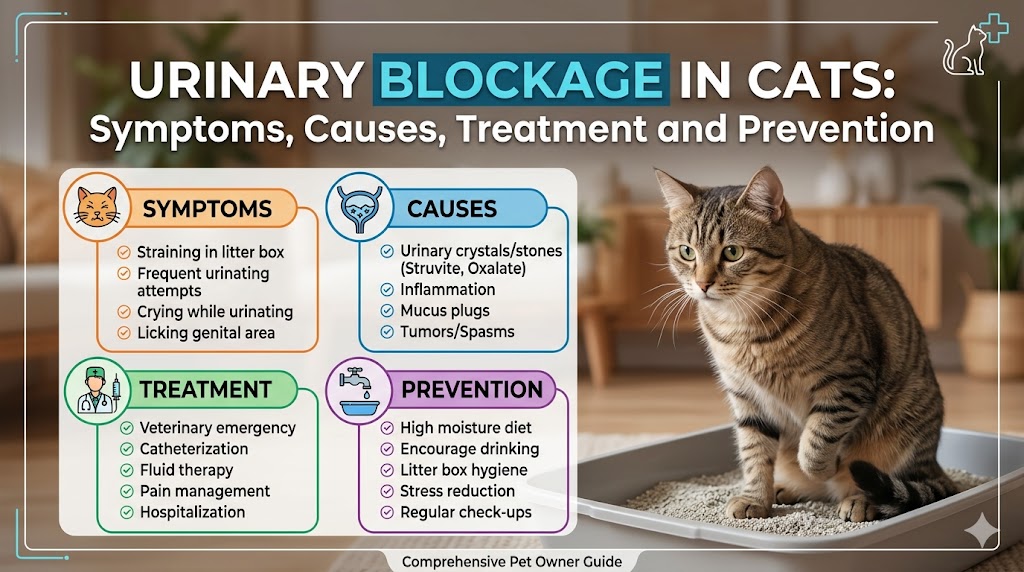
Cat urinary blockage is a potentially lethal disease that occurs when urine cannot flow through the urethra. The accumulation of toxins poses an acute threat to the cat’s health. Male cats are more vulnerable because of their narrow urethras. Moreover, cat urinary blockage emerges abruptly and rapidly deteriorates within several hours. It is vital for owners to identify the signs of the disease timely. Prompt professional intervention increases chances for recovery and minimizes the risks of life-threatening consequences for the kidneys and bladder.
The Risks Associated With Urinary Blockage
Cat urinary blockage leads to a failure to dispose of the waste products efficiently. It causes potassium imbalance, which influences cardiac function adversely. At the same time, the bladder swells and becomes painful owing to accumulating urine. Untreated, the bladder may burst and cause potentially lethal consequences. Cats tend to mask pain instinctively; thus, the symptoms are hard to notice at the early stage of development. Once severe symptoms manifest themselves, the situation becomes urgent. Every pet owner should remember that urinary blockage always necessitates immediate medical assistance.
Urinary Blockage Symptoms in Cats
Symptoms that a cat suffers from a urinary blockage are very distinctive. For example, he or she will strain multiple times in the litter box but produce only a little urine. Also, some cats will scream while trying to urinate since the process becomes too painful. Another sign of urinary blockage is a constant need to clean his or her genitals. Besides, a cat might exhibit restlessness or nervousness due to the condition. Rapidly developing vomiting and lack of appetite are common as well. Thus, identifying symptoms promptly allows an owner to prevent a potentially fatal outcome for a pet.
Issues With Urinating and Litter Box
One of the first symptoms is strange litter box usage. It is possible that a blocked cat will try to use the box repeatedly but unsuccessfully. Sometimes, an owner can confuse the problem with constipation because of the cat’s straining. Little amount of urine and blood in the litter may occur. Also, a blocked cat tries to urinate anywhere except the litter box. So, any unexpected litter box changes should be noted by a cat owner.
Behavioral Changes Due to Pain in Cats
Since cats having blocked urethras are usually in a lot of pain and suffering, there may be behavioral changes in their attitudes. For instance, even friendly and affectionate cats can become irritable when their abdomens are touched. However, some cats withdraw in silence and refuse any communication with people due to extreme pain. Additionally, a cat’s behavior may be affected by lethargy due to toxin accumulation. Unusual vocalization and pacing within the house should not be disregarded either because they are also signs of a medical emergency.
Causes of Urinary Blockage in Cats
There are several reasons why a cat experiences a urinary blockage. First, formation of crystals and stones in the urinary tract is quite common, which prevents normal urine passage and irritates the bladder wall. In addition, the urethral lumen becomes narrowed as a result of inflammation that occurs due to the lower urinary tract disease in cats. Mucus plug formation is yet another reason for this problem since they prevent normal urine passage. Finally, stress can contribute to this issue a great deal.
Mineral Crystals and Bladder Stones
Mineral crystals and bladder stones cause blockages in many cats. These can occur due to high mineral levels in the urine. Eventually, crystals combine and create painful stones that can obstruct the urinary tract. Moreover, some diets can make crystals more common and drinking less water also adds to this problem. Male cats have narrower urethras that are more prone to blocking than female cats. In addition, bladder inflammation exacerbates any inflammation or pain. Thus, ensuring hydration and proper dieting will reduce the occurrence of urinary crystals and stones.
Stress
The stress level of a cat greatly impacts its health, especially the urinary tract. Felines do not like anything new and stressful, such as changing the environment, making loud noises, introducing new animals to them, or even changes in routines. As a result, these factors increase inflammation of the bladder and entire urinary system. In some cases, the cat may suffer from feline idiopathic cystitis – an inflammatory disease associated with psychological stress. Moreover, stress causes cats to drink less water, thus increasing inflammation.
Male Cats Are at High Risk
In addition to female cats being prone to infections, male cats get urinary blockage easily because their urethras are small and long. Therefore, even minor mucus plugs and crystals could cause urinary blockage in male cats. Besides, neutered male cats are more likely to develop blockage because of obesity and reduced mobility compared to intact male cats. Indoor male cats have a tendency of drinking fewer fluids and having little physical activity. All of these lead to increased concentration of urine and inflammation. Thus, it is important for cat owners to keep an eye on the health of male cats and have them undergo wellness checks regularly.
Urinary Blockage Diagnosis in Cats
Urinary blockage can be diagnosed by examining the cat and conducting tests. First, the veterinarian manually examines the abdomen for signs of a swollen bladder. Besides, tests are carried out to detect any crystals, blood cells, bacteria, and inflammation. Further, blood tests check the function of the kidneys and electrolyte imbalance that occurs from urine retention. X-rays and ultrasounds also help to locate any bladder stones and abnormalities. In addition, the veterinarian checks the dehydration status of the cat.
Urgent Treatment for Obstructed Urine Flow
The treatment for urinary blockage includes clearing the way for urine passage and stabilizing the condition of the pet urgently. The cat needs to be under anesthesia or sedation when undergoing catheterization of the urethra, which removes the blockage and clears the bladder. Also, it helps to flush out toxins through fluid replacement. Pain medications and anti-inflammatory agents assist in alleviating pain and inflammation. Moreover, there is a possibility that the cat would need hospitalization for monitoring. Hence, prompt veterinary attention is needed due to the deadly outcome of blocked urethra’s.
Surgery and Other Treatments
In cases where there are recurring blockages and bladder stones, there is a need for surgical intervention. One surgery option involves perineal urethrostomy, which enlarges the opening of the urethra. In some instances, veterinarians perform removal surgeries for bladder stones that cause the blockage. However, there are some risks associated with surgery, so the decision on the type of treatment is crucial. Nevertheless, surgery can significantly alleviate problems caused by blocked urethra’s.
Recovery After Treatment
The success of the recovery process after treating urinary blockage in cats will depend on several factors including early detection and complications. Most cats are hospitalized under observation until the time they start urinating normally. Also, there is a recommendation that veterinarians make for cats with urinary blockage to be put on dietary plans with high amounts of water content. Besides taking the recommended medicines, owners should provide their cats with a stress-free environment for quick recovery. Follow-up visits by owners to check on the status of the bladders can help prevent future occurrences.
Preventing Urinary Blockage in Cats
Prevention of urinary obstruction can be achieved through ensuring that there is adequate urine outflow from the bladder and reduced bladder irritation. One of the simplest ways of achieving this is providing sufficient water intake since cats are fond of drinking fresh running water. Wet food helps to keep the cats hydrated while clean litter box increases the chances of frequent urination. Maintaining healthy body weight also reduces the risks of developing urinary problems in cats.
The Importance of Proper Nutrition
Proper nutrition is essential for good urinary health and preventing blockages. Vets often advise feeding special diets with proper mineral control and pH balance in urine. Diets help prevent crystal formation and irritations. Moreover, high quality wet food provides extra hydration. Limiting treats and feeding only high-quality food contributes to urinary health. Finally, gradual changes in a diet prevent irritation. Thus, getting veterinary advice concerning proper diet prevents future blockages and helps to maintain good urinary system condition.
Improving the Quantity of Water Intake in Cats
By nature, cats usually drink very small portions of water since they come from dry conditions. However, today’s domestic cats need proper hydration to have a good urinary system. Multiple water bowls should be set across the apartment. Moreover, cats tend to prefer big water bowls with plenty of clean water available every day. Moving water attracts cats as well. Special pet water fountains make water look clean and pure to cats. Mixing some water into wet cat food is also useful.
Reducing Stress in a Multi-Cat Household
Stress tends to be much higher in congested and competitive environments such as houses with multiple cats. This calls for provision of a litter box, a food bowl, and a sleeping area for each cat. It is common advice that there should be one more litter box than the total number of cats. Moreover, providing quiet spaces will make nervous cats feel safe and comfortable. In addition, interactive toys and playtime decrease boredom and emotional stress. Finally, having consistent schedules helps keep emotions stable. Thus, decreasing household stress will provide better conditions, thus minimizing urinary problems.
When to Seek Veterinary Help
The situation requires a consultation of a veterinarian if the cat is unable to urinate properly. Straining in the litter box, crying out while trying to urinate, and not passing any urine are red flags. Other symptoms include vomiting, weakness, and falling unconscious as the result of poisoning. Never resort to home treatments since further delay might prove fatal within just a few hours. In addition, blocked cats suffer from pain and emotional issues associated with urinary obstructions. Thus, timely intervention is the most efficient way for the cat’s survival.
Conclusion on Feline Urinary Obstruction
Feline urinary obstruction is a critical disease that requires urgent intervention and prevention measures. It is important for veterinary specialists to diagnose this health issue timely in order to avoid severe complications and provide appropriate treatment. What is more, adequate nutrition, reduced stress levels, and regular check-ups contribute to decreased chances of urinary obstruction in the future. In turn, male felines are particularly prone to urinary obstruction and should be closely monitored by pet owners on a daily basis.