Blog
Swelling in Cat’s Ear: Causes, What it Means, and What to do

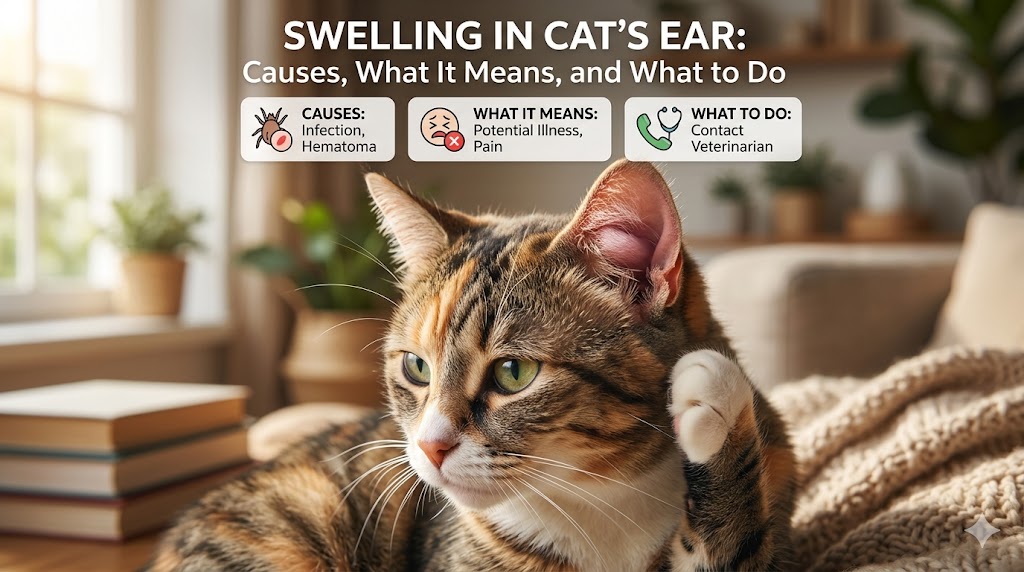
Finding Swelling in cat’s ear is one of the alarming things that might happen to a pet owner. Swollen ear is one sign that shows that something is not right with the cat’s health. Furthermore, a swollen ear can also be caused by many other things including diseases, infections, injury, allergies, parasites, and others. It is important for the cat owners to understand how to recognize such signs and what treatment should be done to avoid problems in the future.
Understanding Cat’s Ear Structure
The ear of cats is made up of various tissues that play a vital role in hearing process. In addition, ears have several blood vessels, nerves and cartilage structures which are very susceptible to injuries. Furthermore, the pinna structure of cat’s ear is especially prone to inflammatory processes. Therefore, understanding how it works is very helpful for pet owners.
Reasons Why You Must Not Ignore Ear Swelling
It is common knowledge that some pet owners think ear swelling will heal on its own; however, this does not always happen. Furthermore, ear conditions, left untreated, can lead to chronic infections, tissue damage, and even deformities of the ear. In severe cases, ear swelling could signify a more serious illness that requires urgent medical intervention. Acknowledging how serious this health issue is, leads to a more effective treatment process.
Cause of Swelling in Cat’s Ear Due to Ear Hematomas
Among many reasons for ear swelling in cats, the most common is due to ear hematomas. In this condition, blood-filled cavities form under the animal’s skin because small blood vessels within the ear begin rupturing and leaking their contents in between the layers of skin and cartilage. Ear hematomas usually occur following scratching or vigorous head shaking. The ear swells up, feels warm and soft to touch.
Causes of Ear Hematomas
Ear hematomas usually do not arise without the presence of a cause behind the condition. Usually, cats tend to scratch and head-shake due to an irritation problem. Moreover, ear infections, allergies, mites, or a foreign object in the ear could be other causes behind trauma leading to a hematoma. When there is a rupture of the vessels, blood fills the area and leads to swelling. The importance of identifying the cause behind ear hematomas lies in preventing its future occurrences.
Signs of Hematoma in Cats’ Ears
The presence of ear hematomas leads to visible signs in cats. One could notice an enlargement of the ear flaps, which look droopy or asymmetrical in comparison with the other ear. In addition, such cats could display scratching and shaking of the head.
Feline Ear Swelling Due to Infection
The second major cause of feline ear swelling is infections. These can be caused by various germs like bacteria and yeast, which can lead to inflammation in the cat’s ears. Also, an infection will typically involve symptoms such as inflammation, redness, smell, discharge, and itching. Untreated inflammation can lead to serious swelling.
Ear Swelling Caused by Bacterial Infection
A bacterial infection is known to occur due to a breakdown in the body’s natural ear defenses. This could be due to factors like excess moisture, allergies, or any preexisting irritation in the ear. The presence of an infection will cause more inflammation and increase blood supply, thus causing noticeable swelling.
Yeast Infection in Cats
Even though yeast infections are relatively uncommon in cats, they can be quite uncomfortable for these animals. Moreover, a yeast infection can result in unpleasant smells, dark-colored discharge, and continuous itching. As a result of irritation, swelling and inflammation will appear. Diagnosing the condition allows the veterinarian to prescribe appropriate medications and avoid future issues.
Identifying Serious Swelling in the Ear of a Cat
While some minor cases of swelling might be overlooked, serious Swelling in cat’s ear often indicates something more serious. Massive hematomas, complicated infections, and abscesses are some of the reasons behind the swelling. What is more, any swelling associated with fever, laziness, or loss of appetite must be taken seriously.
Ear Mites and Parasitic Infections
Ear mites are very small parasites that are quite common in cats, especially kittens and those that are outdoors. The irritation caused by the parasites results in an unbearable itchiness. Moreover, excessive scratching leads to inflammation, swelling, and infection. Ear mites are quite contagious, therefore requiring urgent treatment in multiple pet households.
Symptoms of Ear Mites
The signs that are associated with ear mites in cats include shaking of the head and scratching at the ears. Also, the owner may observe brown debris in the ear canal, which resembles coffee grounds. As a result of the irritation, the ear starts swelling.
Ear Inflammation from Allergies
There are also instances where allergies can also impact the ears just as much as they do the skin. Foods, environmental allergens, and even flea allergies could cause the lining of the ear canal to become inflamed. Moreover, allergic cats tend to have frequent ear issues even with consistent treatment. It is essential that the allergies are identified so that they can be controlled.
Ear Inflammation Caused by Food Allergies
Certain foods could cause the immune system of some cats to become hyperactive. This results in ear inflammation among other symptoms. Additionally, continuous exposure may result in recurring inflammation and infection.
Environmental Factors
It has been found that dust mites, pollen, molds, and even domestic substances can cause ear allergy in cats. Moreover, symptoms might vary from time to time due to the degree of exposure to these factors. It is possible to ease the condition by paying attention to these factors and following veterinary advice.
Injury
Most of the time, injury causes swelling in cat’s ears. Fighting with other cats, accidental falls, and playing too roughly can cause damage to blood vessels or other soft tissue. Also, if there is any puncture in the ear, it might be infected due to germs entering it.
Abscesses on the Ear Region
Abscesses occur due to the presence of bacteria under the skin that lead to the development of pus. Also, bite injuries often lead to abscesses in cats. Abscesses usually result in swelling that is hard and warm and painful. The veterinarian’s usual course of action will be draining, washing, and using antibiotics. In case any infection related to the mouth occurs, knowledge about blisters on cat’s mouth and other symptoms will definitely come in handy.
Correct Diagnosis of Swelling in Cat’s Ear
Diagnosis is important for a good treatment plan because swelling of cat’s ears can occur due to various ailments. The vet starts off with an ear exam and checking on the ear canal. In addition, other tests like examining ear debris under a microscope, taking culture samples, and imaging may also be needed in complicated cases.
What Is Included in a Veterinary Examination?
During their examinations, veterinarians examine the external and internal surfaces of the ears. Moreover, discharge, smell, swelling, and pain are also assessed. With the use of special tools, vets are able to look deep into the ears and eardrums to detect any potential sources of inflammation, such as infections, parasites, or foreign objects.
More Advanced Diagnostics
Sometimes more tests need to be done, especially in cases when the problems persist or are serious. For example, imaging techniques like X-rays and CT scans help examine structures deeper than the ears. In addition, tests can determine the specific type of bacteria or fungi causing the problem.
Options for Treatment of Swollen Ears
The course of treatment will depend on the cause of the problem. For infections, medication ear drops should be administered. For hematomas, surgery can be used. Moreover, parasites can be treated by medication while allergies must be managed effectively. The successful treatment must include managing the symptoms and cause of the condition.
Common Medications Used
A vet may recommend the use of antifungal medications, antibiotics, anti-inflammatory medication, and parasite treatment. Also, painkillers will be recommended to relieve pain during the healing process. It is essential to follow the veterinarian’s recommendations in order to avoid treatment failure.
Ear Surgery for Hematomas
Surgery will usually be required for large hematomas. The aim of the procedure is removal of the collected blood from the tissue and securing the tissues together. This way, the ear is kept in its normal state and functioning. Cats generally recover after the operation successfully.
Prevention of Future Swelling in Cat’s Ear
The prevention of further episodes of swelling in cat’s ear is dependent on the identification of underlying factors. It entails visits to the vet regularly, parasite prevention, and managing allergies. Moreover, timely diagnosis and treatment of early ear problems prevent more severe conditions in the future. The process of constant monitoring enables owners to detect any changes.
Cat’s Ear Cleaning
Regular cleaning of the ear canal can decrease chances of accumulation of dirt, but overdoing it can irritate the sensitive area. On the other hand, the usage of ear cleaning solutions prescribed by the vet will be effective since it is designed for use in cats’ ears only.
Monitoring Behavioral Indicators
Behavioral indicators serve as a great way to identify any upcoming ear problem. Scratching and shaking the head might be the first signs of inflammation in cats’ ear canal. In this regard, monitoring helps to spot the problem on time, making the whole treatment process easier.
When Ear Swelling Needs Urgent Care
In certain cases, the owner should not hesitate to visit a veterinarian as soon as possible. Any rapid progression, intense pain, difficulties walking, head tilt, or excessive discharge cannot be neglected. In addition, if cats show signs of fever, weakness, or loss of appetite, immediate professional assistance is needed. Such emergency measures contribute to avoiding permanent damages and achieving better results.
Prospects for Affected Animals
Early diagnosis and treatment of ear issues are vital for a successful outcome. Managing allergies, infections, and parasites is important for minimizing any risks of recurrence. Proper care from both veterinarians and owners is crucial for ear health. Any cat with chronic diseases needs to be carefully observed since there is always a possibility that these may affect cat kidney failure symptom development.
Summary
Ear swellings are caused by numerous disorders, which can include infectious diseases, hematoma, allergic reaction, parasitic infestation, and trauma. Even seemingly insignificant ailments may cause significant issues when ignored. Besides, correct diagnosis enables veterinarians to develop proper and adequate treatment plans. Therefore, owners can prevent any possible ear problems if they detect possible symptoms in time and seek professional help.