Blog
Cat Kidney Failure Symptoms: 10 Early Warning Signs

There exists a serious health concern in cats called the kidney condition that is very common in old animals. It may be challenging to identify early symptoms since they evolve gradually. Identifying early symptoms of kidney failure in cats increases the chances of successful treatment and preservation of their health. Prompt medical intervention will enable cats to recover more effectively.
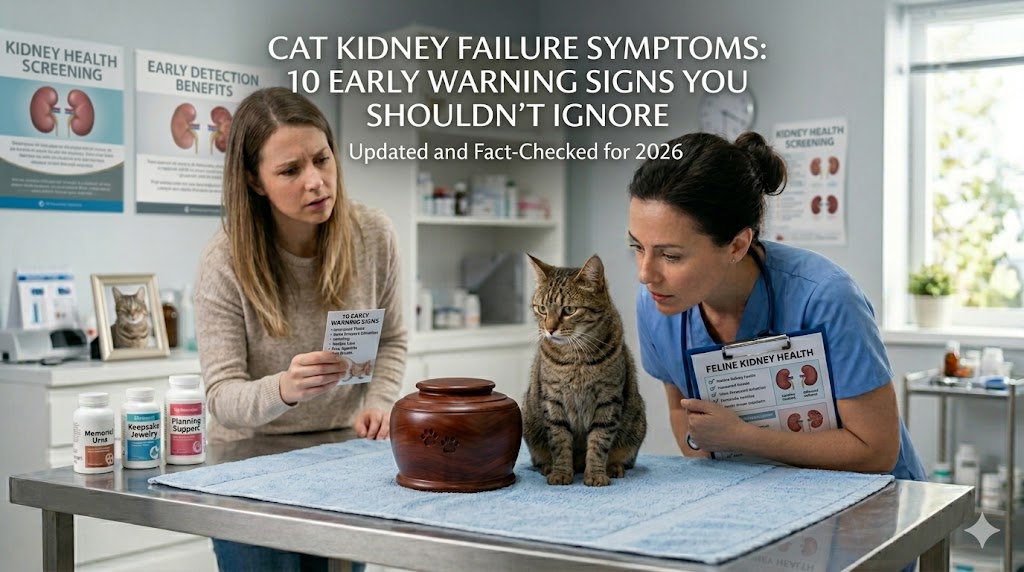
Functions of Kidneys in Cats
A cat’s kidneys have crucial roles in maintaining body equilibrium. These organs help clean the bloodstream by removing toxins. The kidneys help balance fluid levels, minerals, and blood pressure. These organs also aid in red blood cell formation and metabolism. In case of kidney failure, the accumulation of toxins occurs in the bloodstream. This is the reason why kidney disease may affect energy and appetite levels.
What Causes Kidney Failure in Cats?
Kidney disease may be caused by different reasons in cats. The aging process is the main cause of kidney problems as this affects their functionality. Diseases, toxins, dehydration, hypertension, dental problems, genetics, drugs, and household poisons are some possible reasons for kidney failure. Acute and chronic kidney diseases may affect cats.
Acute vs Chronic Kidney Failure
There are two types of kidney failure. The first one is called acute, meaning it develops rapidly and requires immediate treatment for poisoning, infection, or dehydration. Chronic kidney failure, however, develops gradually and may be unnoticed until significant harm is done. This understanding can help pet owners better handle their cats’ kidney health in both emergency and chronic cases.
Signs of Cat Kidney Failure that Owners Fail to Recognize
Owners usually fail to detect signs of kidney failure since they emerge slowly and are rather mild. They include increased drowsiness, less appetite, avoiding socialization, drinking more water, and losing weight. These signs might seem insignificant, but their close monitoring will allow diagnosing kidney issues in time.
More Water Drinking and More Frequent Urinating
Another symptom that indicates that the cat might be experiencing kidney disease is frequent urination and an increased need to drink water. Kidneys that function inadequately cannot produce concentrated urine, leading to excessive losses of fluids. Cats might spend more time at their water bowls because they feel dehydrated. Larger volumes of litter and urination in inappropriate locations may also become evident to cat owners.
Unexpected Weight Loss
In most cases, cats with kidney disease suffer from unexpected weight loss. These animals will look thinner and have less muscle tissue in the lumbar region, hip area, and shoulders. Accumulation of toxins and vomiting can cause reduced appetite. Cats may also experience weight loss due to muscle deterioration.
Vomiting and Other Digestive Issues
The kidney problem could affect your feline’s digestive system as toxins can irritate their stomach. You may find that your cat displays symptoms such as feeling sick, throwing up, constipation, and loss of appetite. Some pet owners will identify that their cat is puking constantly. Your cat could also refuse to eat as a result of digestive disorders.
Bad Breath and Mouth Ulcers
In cats suffering from kidney conditions, bad breath with an unusual smell develops because of accumulated toxins in their body. In severe cases, the breath smells like ammonia. There are also some cases where the animal suffers from mouth ulcers, which cause problems with food consumption.
Lack of Appetite and Lethargy
The lack of appetite is common among cats suffering from kidney disease. These animals tend not to eat until the end of the meal, refuse treats, and do not want any food at all. Lethargy occurs because energy levels drop and cats do not get enough nutrients. Some cats become uninterested in playing, grooming, and socializing.
Dehydration and Poor Coat Quality
Renal failure can result in dehydration because the cat’s body cannot conserve water anymore. Dry gums and poor elasticity of the skin are some symptoms that may be observed when your cat is dehydrated. The condition of the coat gets worse because the cat has no energy to groom.
Cat Kidney Disease Symptoms Connected to Alterations in Litter Box Behavior
In most cases, kidney disease results in changes to litter box behavior such as frequent urination, production of bigger clumps or difficulty getting to the litter box. In some cases, the cat can exhibit vocalization or discomfort during urination. The presence of cat urinary blockage symptoms male cat should be considered when observing changes. Recognizing them in the early stage will allow timely response.
Blood Pressure and Loss of Eyesight
One common symptom of kidney disease in cats is the development of high blood pressure, especially in severe cases. It will lead to damage to blood vessels in the eyes, brain and heart. Cat may suddenly start losing eyesight because of damage to the retina in the eyes.
Behavioral Signs and Hiding
In cats with kidney diseases, behavioral changes precede other clinical manifestations of the condition. Hiding, isolating, and avoiding contact become common since they feel pain and are weak. In addition, some cats tend to be irritated or anxious during handling. Disrupted sleep schedules and loss of interest in various activities can be observed. Prompt detection is necessary for seeking veterinary attention.
Kidney Disease Diagnostics
Veterinarians use examinations, blood, urine, and blood pressure tests to diagnose kidney diseases. Blood tests include checking for increased levels of toxins such as creatinine and BUN due to the impaired kidney functioning. Urinalysis allows to determine hydration status of the cat and evaluate kidney activity. Ultrasound imaging may also be used for detecting abnormalities.
Treatment Methods for Kidney Disease
The disease cannot be treated successfully all times; however, proper treatment methods make life more comfortable and of high quality. It is necessary to consult veterinarians who prescribe special diets, hydration, medication, and monitoring of the health condition of the cats. In severe conditions, intravenous fluids are required for treatment. Appetite stimulating drugs and anti-nausea medication can also be prescribed.
Prescribed Diets and Food
Prescribed cat food will assist in managing the disease and preventing complications. These diets have restricted phosphorus content, protein balance, and increased levels of nutrients. The diet helps lower toxin accumulation and maintain proper body weight. There can be difficulties feeding cats with special food when they feel unwell.
Why is Hydration Important for Cats With Kidneys?
Hydration is essential when it comes to keeping healthy kidneys and eliminating toxins from the body. The problem with cats suffering from kidney disease is that their bodies tend to get rid of fluids rapidly. As a result, there is a higher risk of developing dehydration. Wet food or even special pet fountains might be recommended.
Helpful Tips to Be Used by Cat Owners
The most important thing here is patience and observation. Pay attention to changes in appetite, fluid intake, weight loss, litter habits, and general activity. Cats with kidney problems need to be in a relaxing environment as stress will do no good for them. A comfortable place to rest and convenient litter box location may come in handy.
Prevention of Kidney Disease in Cats
There is no way to prevent all kidney disease cases, but maintaining good practices minimizes the chance. It includes proper nutrition, frequent vet visits, and continuous availability of fresh water. Moreover, cat owners should not expose their pets to toxins, such as chemicals, antifreeze, or dangerous plants. Early treatment of infections and periodontal diseases prevents kidney failure.
Senior Cats and Kidney Diseases
Cats develop higher risks of kidney problems as they age owing to the reduced capacity of kidneys. Frequent examinations are recommended for older cats to avoid complications. Both dehydration and low appetite contribute to the increased strain on kidneys if not handled. Blood tests play an important role in identifying possible kidney problems early since their symptoms are delayed.
Red Flags That Cat Owners Must Not Overlook
There are warning signs that indicate that you need to get your pet to a vet immediately if he is showing signs of kidney disease. Lethargy, loss of appetite, difficulty breathing, seizures, or an inability to pass urine are all emergency situations. Collapsing or dehydration are also signs that cannot be overlooked.
Providing Emotional Comfort to Chronically Ill Felines
Sick cats require loving care and a calm environment. Keeping a predictable schedule and providing a stress-free environment will help your cat feel comfortable. This helps increase his energy levels and make him happier. Owners should also exercise patience as they take care of their pets.
Conclusion
Kidney disorders are serious yet treatable illnesses for cats, particularly older animals. Identifying any of the listed symptoms will help you start treatment sooner and slow down the process. Excessive thirst, vomiting, weight loss, and behavioral problems are among those to be considered carefully. Professional medical care, appropriate hydration, and proper nutrition will maintain your cat’s kidney function.