Blog
Healing Cat Wounds Explained: Tips, Facts, and Vet-insights

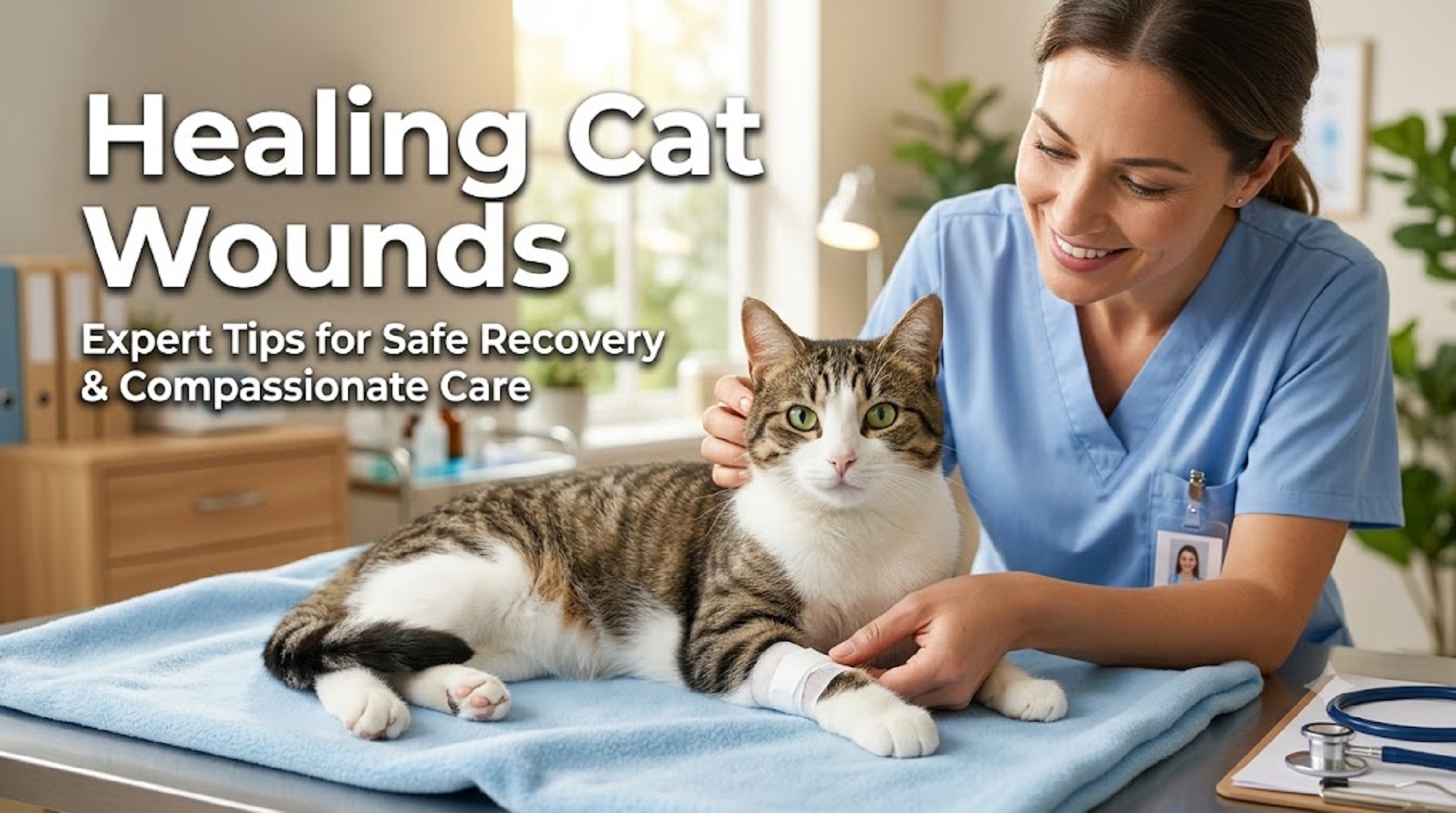
Cats are curious creatures and often end up injured with cuts, scratches, bites and more from their adventurous ways. Many small wounds will heal on their own, but some will need to be seen by a veterinarian right away. As a pet owner, you should know how to treat cat bites properly to ensure that your feline friend doesn’t suffer from infections and complications, and recovers quickly. Plus, having knowledge of wound healing allows owners to be aware of signs that may signal trouble before it occurs. This guide will provide you information about the healing process, available treatment choices and professional advice on how to keep your cat healthy.
Understanding Cat Wounds
There are a number of different types of cat wounds, and they can vary in severity. Other injuries can be caused by fighting with other animals, accidents and sharp objects or environment. Also, wounds can vary from light scratches to deep holes that penetrate the tissues. Each kind of wound will heal differently, so proper assessment is important. Keeping a close eye on any changes during the healing process, and providing proper treatment, is essential for pet owners, as they should check injuries carefully and keep a watch on them during recovery to avoid any complications.
These are some common reasons why cats suffer injuries
Cats find themselves in numerous circumstances which can result in injuries. Scratches and bite wounds are common occurrences in territorial disputes in outdoor cats. In the meantime, house cats can also have cuts on the skin from broken objects or incidents around the house. Also, climbing, jumping, and exploring new surroundings may pose risk of injury. Grooming-induced skin damage has even led to the development of some wounds. Therefore, identifying common causes can assist owners in making their environment safer, and prevent injuries and health issues in the future.
Types of Cat Wounds Wounds
are not all created equal. Abrasions are injuries to the skin surface and tend to heal rapidly. A cut that is deeper and could need stitches is called a laceration. Puncture wounds may look small on the outside, but can be large on the inside, risking infection. Also, burns and surgical cuts are special types of wounds that need specific treatment. These differences can help pet owners make better assessments of injuries and decide when to seek veterinary care.
Understanding the healing process for cat wounds
Damaged tissue is naturally repaired by a complicated healing process. As a cat heals wounds, the first thing that happens is the blood coagulates to prevent blood loss and to keep exposed tissues protected. Then, the inflammation gets rid of damaged cells and helps to prevent infection. Then, new tissue grows to replace damaged tissue. Lastly, skin becomes tough after healing. The recovery period is predictable but the rate of recovery depends on the extent of the wound, the health of the patient and the quality of treatment. Therefore, it is still very vital to be consistent on monitoring.
The 4 stages of wound healing are:
There are four stages of wound healing, as specified by veterinarians. Firstly, hemostasis is when blood clots and stops bleeding. Second, inflammation gets rid of junk and bad bacteria. Thirdly, the proliferation phase forms new tissue and blood vessels. Last but not least, maturation thickens the repaired area over time and decreases the amount of scar tissue. Every stage is crucial in the recovery process. As a result, care needs to be taken during any phase as there is a risk of the healing process slowing down and complications arising.
Identifying a Healthy Healing Wound
A healthy healing wound will start to heal slowly over a period of days. Some mild redness and swelling is normal at first. These symptoms should, however, get better over time, not worse. In addition to this, wounds heal properly with clean granulation tissue and eventually produce a protective scab. In the process of recovery, small quantities of clear fluid may be noticed. So, if there is steady improvement, it means the healing is normal. Owners can keep a close eye on the day-to-day to catch positive signs, and to notice problems early.
Signs of Infection to Watch For
Infections may cause a period of delay in recovery and present serious health issues. So, it is important to identify risk factors in the early stages. These symptoms include redness, swelling, warmth, bad smell, or an excessive amount of discharge. Also, infected cats can be lethargic, inappetent or have a fever. Wounds that suddenly get worse and worser after a period of improvement are also a cause for concern. Prompt veterinary assessment is therefore advised if infection is suspected as early treatment can usually avert more serious complications.
Minor Cat Wounds
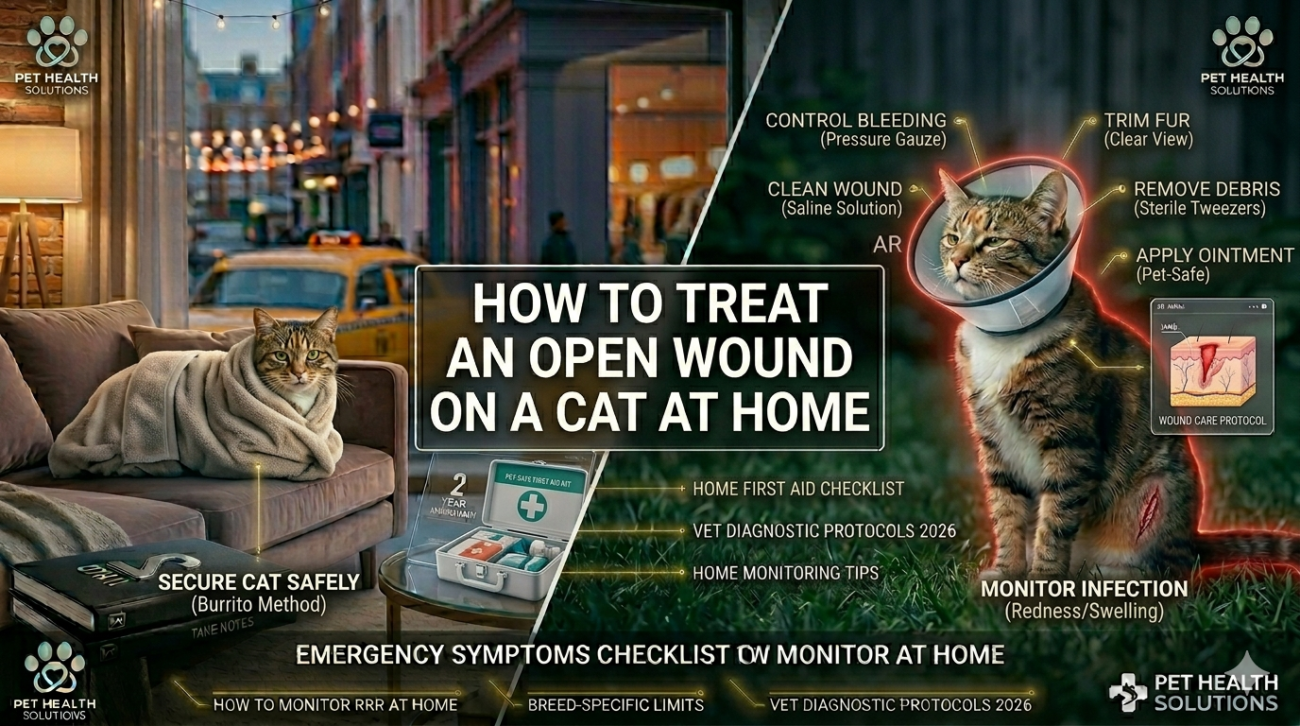
First Aid First aid procedures can aid recovery and minimise infection risk. The first thing to do is to gently hold the cat back in order to avoid further injuries. Then, clean the wound using sterile saline solution or veterinarian-approved cleansers. Use chemicals sparingly and do not use ones that could injure healthy tissue. Also, clean up any visible debris gently, but effectively without causing undue trauma. Once cleaned, supervise the wound for any changes. First aid will help treat minor wounds, but professional veterinary assessment and treatment are always required for severe wounds.
Ethical treatment of a Cat Wound
Good cleaning of wounds is a principal part of the successful recovery. Always wash hands before touching any injuries. Then gently flush the wound with saline solution to clean and remove dirt and bacteria. Do not scrub too much, as this may lead to harming tender healing tissues. Also, use clean gauze to dry with. Cleaning may aid healing, but frequent cleaning can hamper the healing process. Keeping to the veterinarian’s suggestions will therefore provide optimal results.
Caring for Cat Wounds in a natural way: What works and what doesn’t
Numerous cat owners consider natural treatments as a way to help heal cat wounds. No two are quite as important to recovery as good nutrition, hydration, and cleanliness, but some home remedies can be detrimental. So be careful not to use human creams, essential oils, or anything else that hasn’t been approved by a vet without their advice. Rather, the emphasis should be placed on keeping things clean, and promoting general health. Balanced nutrition provides essential nutrients necessary for tissue repair. Thus evidence-based treatment is the most secure and best approach to wound care.
Nutrition plays a crucial role in recovery
The Nutrition has a direct impact on the healing efficacy. Protein is essential for cats as the amino acids are key to repairing tissues. Also, vitamins and minerals help maintain immunity and regeneration of cells. Adequate hydration also aids in the proper distribution of nutrients around the body. In conclusion, a healthy diet in recovery can make a big difference in recovery. Some vets may suggest special nutritional support for serious injuries. As such, dietary management becomes a key part of overall therapy for wound.
Why Cats Lick Their Wounds
Lifting up of an injured area is an instinctive behavior that many cats engage in. Excessive licking can cause issues, but if necessary, it can be helpful for removing debris. Prolonged wetness will irritate the tissues, slow the healing process and introduce bacteria into the wound. Also, the aggressive licking can cause it to lose the layer of scab and tear at the healing tissue. So it is important to avoid over-licking while recovering. Wounds can heal properly and comfortably with the use of veterinary-approved protective collars or recovery garments, which often are effective.
If a Wound Requires Veterinary Care
Certain wounds, despite their seemingly insignificant appearance, need immediate medical attention. Any deep puncture, large lacerations, severe bleeding and injuries in and around the eyes should always be referred to a vet. Also, wounds inflicted by animal bites have a high risk of infection because bacteria can get stuck under the skin. Cats who are showing signs of pain or abnormal behavior, or are lethargic, should also be evaluated. Therefore, it is crucial to get veterinary attention so you can prevent complications and improve recovery.
How to treat Cat Wounds After Cat Fights
Punctures usually occur during a cat fight and can be small at first. But such injuries frequently lead to infections, since bacteria are trapped under the skin. Swelling and the development of Abscess are common problems with cat wounds that are the result of a fight. Thus, the veterinary assessment becomes crucial following any aggressive encounter. Early treatment can prevent painful infections, and aid in the speedy recovery. Furthermore, tracking behavioural changes can be used to detect emerging issues in their early stages.
Managing Surgical Incisions
A surgical wound is different to an accident injury as it is created in controlled conditions by a veterinarian. However, appropriate post-care is still a necessity. Owners should be careful to adhere to all after surgery instructions, as well as closely watch incision sites each day. Some swelling and redness may happen at first but if the discharge or separation is too much, it should be attended to. Additionally, licking will prevent stitches from being chewed on and heal properly. For this reason, strict monitoring and compliance with veterinarian advice are crucial for a smooth and successful surgical recovery and to reduce the likelihood of complications.
Monitoring Progress at Home
A Monitoring daily allows for detection of healing status changes. The appearance of wounds should be examined along with the condition of the skin around them and the animal’s behaviour. In addition, monitoring appetite, energy and litter box behavior is a good source of information regarding recovery. Progress can also be objectively monitored via photographs taken every few days. If you need visual cues, cat wound healing stages pictures might be useful for your educational purposes. This means that you can better identify any potential problems in the early stages with repeated monitoring.
Related Injuries Cat Owners Should Know About
Feline injuries do not all come in the form of wounds. Nails can also be injured, paws can be hurt and skin can be scraped. Familiarity with conditions like cat split nails can make a dog owner aware of other issues that can impact a dog’s mobility and comfort. In addition, early intervention can normally avoid problems caused by these injuries. Hence, understanding the general knowledge about common cat health issues helps the owners to provide better care and support.
Preventing Future Wounds
The best treatment for a wound is to prevent it in the first place. Indoor cats are less exposed to environmental dangers, vehicles and fisticuffs. Besides, owners can spot skin problems before they become serious, if they occur, by regularly combing their pets. The presence of safe environments at home, secure fencing and supervised outdoor activities also reduce injury risks. Regular checkups by the veterinarian can also detect any other medical issues that could affect healing. Preventive care thus helps to boost over the longer duration and decreases emergency situations.
Myths on Cat Wound Care
There are a number of myths that still persist among pet owners. Some think all wounds heal on their own and some others resort to wrong self-treatments. However, untreated infections can become serious quickly. Also, human drugs should not be given to pets unless prescribed by a veterinarian. Thus, it is always necessary to base treatment decisions on evidence. Talk to veterinary experts for correct information and better recovery results. This means well-informed owners will be better prepared to keep their cats healthy.
Final Thoughts
Cat injuries can vary from minor scratches to serious injuries that require immediate care. The knowledge of normal healing patterns will allow the owner to know when to expect a normal pattern and when to suspect an abnormal pattern. Moreover, outcomes are much the better with proper cleaning, nutrition and monitoring, and professional guidance. Understanding how to take care of wounds and prevent them can help keep the cat feeling better. Informed care leads to quicker recovery, fewer complications and a better and happier life for all cats.