Blog
Cat Excessive Drooling: A Cat Owner’s Complete Guide

Cats drooling from time to time may not seem like a cause of worry. Nevertheless, drooling that is ongoing or excessive may point to an underlying health problem. The importance of understanding cat excessive drooling is to be able to detect any abnormalities at the onset and seek appropriate treatment as soon as possible. In addition, drooling can result from a range of factors, including tooth decay, nausea, toxicity, and respiratory problems. Knowing how to address excessive drooling in cats plays an essential part in safeguarding their health and well-being.
Understanding Excessive Drooling in Cats
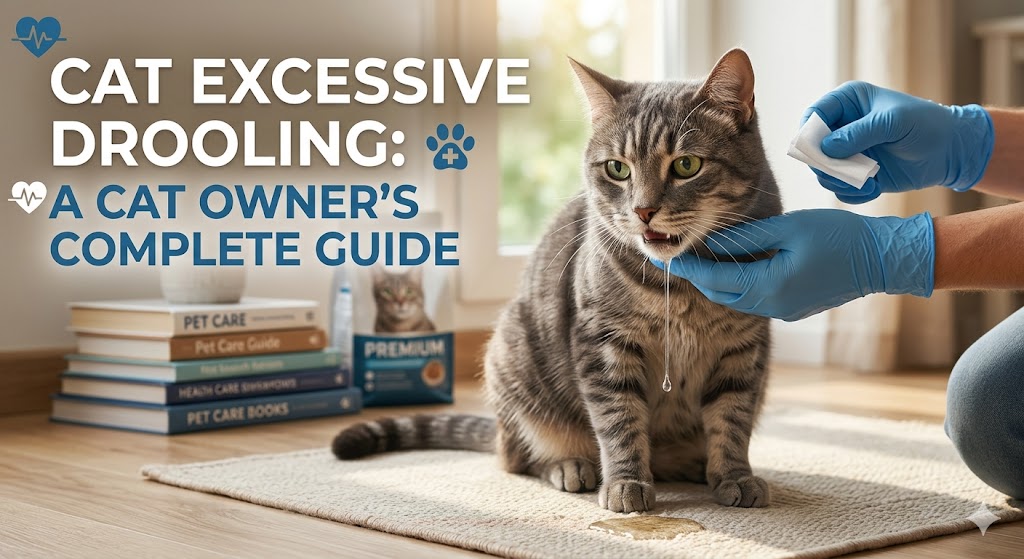
Excessive drooling in cats, commonly referred to as hypersalivation, is characterized by increased saliva production or difficulties swallowing saliva. Excessive drooling can occur either temporarily in some cats or be chronic, resulting in constant saliva accumulation around the cat’s mouth and chin. Moreover, drooling may be accompanied by symptoms such as oral pain, nausea, and stress, depending on the nature of the cause. While healthy cats should swallow saliva naturally without saliva accumulation, drooling could mean that the animal is suffering from an ailment.
Some of the Main Reasons Behind Cat Excessive Drooling
Cat owners might notice that their pets have sudden changes in drooling behavior. There are various health issues and surrounding environmental factors which can cause this problem. Oral infections, gum inflammation, dental disease, nausea, poisoning, and many other things can be the reasons for this condition. Sometimes it happens when cats experience any kind of stress, including traveling and vet appointments. Learning more about what usually causes drooling in cats will allow owners to identify any serious health conditions early and get their cats treated by specialists quickly.
Gum Inflammation Due to Dental Problems
One of the main reasons why cats drool is related to some of their oral health problems. If there are any kinds of mouth infections, it is likely that cats will suffer from pain during swallowing and eating process. Gum inflammation, dental infections, and any issues with tartar buildups can cause this situation as well. Cats will develop foul odor and difficulties with chewing due to this condition. People looking for cat gingivitis home remedies find out about these problems.
Mouth Injuries and Ulcers
Sometimes, cats suffer from mouth injuries or ulcers that trigger increased salivation and pain. Objects, burns, infections, or accidents can cause unexpected injuries in the sensitive tissue inside the mouth. Besides, ulcers in the mouth can cause cats to find eating difficult since it causes severe pain. The pain in cats triggers behaviors such as frequent licking of their mouths or shaking their heads. When cats suffer from mouth sores or injuries, it is essential to visit a veterinarian to get timely help and avoid complications.
Early Cat Excessive Drooling Symptoms That Owners Should Look For
It is unlikely to observe cat excessive drooling on its own since other indicators will be present. Wet hair, bad breath, problems eating, and constant swallowing accompany excessive drooling. Besides, the animal may start avoiding contact with people and become moody due to pain that affects its ability to perform usual routines. Early detection of the cat’s excessive drooling symptoms will help address the problem and avoid any complications.
Nausea and Stomach Issues
Stomach problems typically result in hypersalivation as they stimulate the flow of saliva naturally. Cat’s with digestive disturbances such as motion sickness, hairball problems, and upset stomachs usually have excessive drooling prior to vomiting events. Sometimes, certain types of medications and diseases may lead to unexpected instances of hypersalivation. Lip licking, difficulty swallowing, and lack of appetite are some common signs of nausea that go along with excessive saliva production. By monitoring a cat’s feeding habits and vomiting frequency, it is easier to detect stomach problems at their early stages. Seeking veterinary assistance becomes necessary when drooling accompanies diarrhea, weakness, and failure to eat properly.
Toxicity
Some poisons and toxicants may lead to sudden instances of hypersalivation in cats shortly after exposure. Household cleaning agents, poisonous plants, insecticides, and even human medications may irritate the mouth or cause stomach problems dangerously. It can be noted that toxicity also leads to frequent vomiting, weakness, tremors, or respiratory distress. When drooling occurs as a result of poisoning, prompt professional assistance needs to be sought in order to prevent any serious outcomes. The risk of poisoning could easily be avoided by keeping toxic substances out of reach of cats.
Diagnostic Measures for Cats That Drool
There are many ways that veterinary professionals can diagnose what is causing persistent problems like drooling in cats. Physical examination procedures will help the veterinarian find signs of any mouth wounds or infections, as well as gum diseases and dehydration. Furthermore, various tests such as blood tests, dental examinations, and X-rays might be used to discover whether the animal is dealing with internal problems that are making it drool. This is necessary since cats’ excessive drooling could be a sign of either minor irritations or serious problems depending on other symptoms.
Respiratory Diseases and Related Health Problems
Sometimes, cats have difficulties in swallowing because there is a lot of congestion in their throats, which makes them drool. Along with drooling, sneezing, coughing, discharge from the nose, and watery eyes often occur. In addition, older cats and kittens might suffer from much more severe health problems because their immune systems are not as strong to withstand any infection. However, vaccinations and regular checkups will greatly reduce chances of having illnesses. Close monitoring of respiratory health is also very beneficial to maintain proper functioning.
Triggers and Stressors
Cats experience temporary drooling during emotionally stressful or overly stimulating situations. In cases when travel, noise, new people in their environment, or trips to the veterinarian cause anxiety, hypersalivation is quite possible to be expected in certain felines. In addition, there are cats that start drooling while purring or feeling relaxed, which indicates that emotions play an essential role in triggering saliva secretion in animals. Those pet owners who seek answers to questions regarding why my cat is drooling need to consider potential stress factors in their cat’s environment.
Medical Approaches and Treatment Options
Treatment will depend upon the underlying problem that leads to excess drooling in a specific cat. Severe dental disease might require dental cleaning and teeth extraction as therapeutic approaches. Moreover, in the case of any infection in cats’ mouths, antibiotic therapy or anti-inflammatory medication will most likely be applied. In addition, when toxic exposure occurs, cats require immediate medical assistance. One should never give human medicine to cats since the vast majority of these medications are toxic.
Home Care Assistance in Recovery
Supportive care at home is quite important in the recovery period after experiencing any oral or stomach problems. It is advisable that the cat is allowed to rest in quiet locations and is encouraged to hydrate regularly during healing time. The use of moist and soft foods can be helpful when the pet is suffering from mouth problems or irritation in the throat region. Daily monitoring of drooling intensity, appetite levels, and energy helps in understanding whether conditions have improved or become worse. Gently wiping around the mouth area may help in making the pet feel better.
Prevention of Cat Drooling Problems
Healthcare management is critical in preventing drooling issues and other diseases associated with oral disorders in cats. Dental care helps to prevent the occurrence of tartar development, mouth tissue infection, and other complications such as inflammation of the gums. Veterinary examinations can also help to detect any possible problems early enough and hence prevent further serious health complications. Creating safe environments at home prevents the chances of the cat coming into contact with hazardous items. Proper nutrition and regular hydration are important for boosting the animal’s immunity and general body functions.
Situations Requiring Immediate Attention From a Vet
There are situations when drooling cats must receive immediate attention from an emergency veterinary clinic due to a risk of severe health complications. Breathing difficulties, fits, severe mouth swelling, or collapses often mean poisoning or life-threatening conditions that affect major bodily functions. Also, complete unwillingness to consume food or water along with heavy drooling should not be overlooked either. Weakness, vomiting, or indications of experiencing extreme pain also necessitate prompt consultation with veterinarians. Prompt medical assistance increases chances of recovery significantly in such cases.
Conclusion
Drooling in cats can be caused by harmless factors or serious health conditions that require professional attention and immediate treatment measures. Knowing about various types of causes, warning signs, and treatment options gives owners more confidence in dealing with unexpected situations. Besides, proper dental hygiene, creating a safe environment at home, and regular preventive vet care can decrease risks associated with potential health complications. Cautious approach is important since cats tend to conceal their illnesses until they become more severe and pronounced.