Blog
Cat Teeth Removal Explained: Tips, Facts, and Vet-Insights

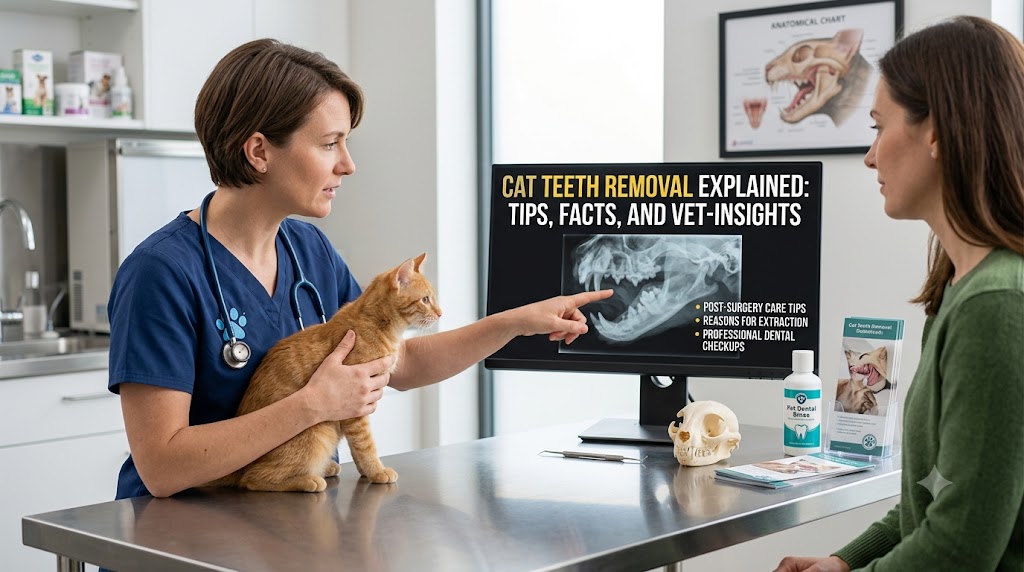
Many cat owners who hear about having cat teeth extracted may feel scared about such a process. Still, it remains one of the most common procedures performed by veterinarians for felines. The need for tooth extraction usually arises due to dental problems that cause the animal discomfort and affect its health negatively. Therefore, understanding the reasons for tooth extraction, how this process is performed, recovery period after the procedure, and post-extraction care can give owners some confidence when deciding on how to address feline dental problems.
Importance of Cat Dental Health
Cat dental health has a significant effect on the animal’s general condition. Good oral hygiene is necessary for chewing food and brushing properly. What is more, infections in cats’ mouths may spread throughout the body causing more serious health issues. As a result, the need for routine dental care appears as prevention against the development of different diseases in cats. Many felines get affected by dental disease in old age.
The reasons behind why cats get dental issues
There are a number of reasons for dental disease in cats. One of the most frequent causes is still the build up of plaque and tartar. Furthermore, the genes, diet, age and poor oral hygiene may raise risks. Some cats also suffer from inflammatory mouth diseases in the gums and surrounding tissues. Therefore, many dental problems in cats take time to become noticeable and are not diagnosed until the cat is in many serious discomfort.
Cat Teeth Removal Made Easy
Dental extraction, or the removal of teeth in cats, is a surgical procedure that is performed to remove one or more teeth that cannot be preserved. The surgery is done under general anesthesia for the patient’s comfort and safety. Also, dental X-rays are frequently used to assess the roots of the tooth and other bone before removal. As a result of this, the procedure deals with pain, infection and structural issues that may otherwise persist and impact a cat’s health.
Veterinarians may suggest an extraction for a variety of reasons
Extraction is usually indicated if a tooth is too damaged or diseased to be treated. Often, the teeth need to be pulled if there are severe periodontal disease, fractured teeth, tooth resorption, and chronic infections. Also, certain inflammatory oral diseases are better treated with the removal of infected teeth. Therefore, when healthy teeth are needed, the removal of the offending ones can often lead to better oral health and no pain.
Cat Teeth Removal and Severe Dental Disease
Advanced dental disease is one of the most frequent reasons for removal of the teeth of cats. Periodontal disease deteriorates the supporting structures of teeth: gums, ligaments and bone. As the disease advances, the affected teeth may either loosen or get infected or cause chronic pain. Also, germs related to dental troubles can have a negative effect on general wellness. Thus, where there is significant damage, extraction is often the best option.
Understanding Tooth Resorption
A very common dental disease that occurs in cats is tooth resorption. This process slowly attacks the structure of the tooth and results in pain and discomfort of the tooth. Also, teeth affected may appear normal on the outside, but be badly damaged on the inside. Usually, extraction is the most effective treatment since the tooth resorption cannot be reversed. Therefore, preventive dental care is of great importance in early diagnosis and treatment.
Some of the indications that your cat might need dental care include:
It can be hard to identify dental issues in cats because they typically try to conceal signs of pain and discomfort. But there are some indicators that may mean oral pain. It is not uncommon to have bad breath, problems with eating, drooling, pawing at the mouth, or a loss of appetite. Also, some cats are less social or stop normal grooming. Thus, keeping an eye out for behavioural changes can help owners detect dental problems before they get out of hand.
The Role of Dental X-Rays
Dental X-rays offer a great deal of information that cannot be obtained from an appointment with your dentist. Many abnormalities and issues with the roots of the teeth and bone health can only be seen with imaging. Also, X-rays can be used to determine if the tooth needs to be extracted and to plan for the surgery. Dental radiography is therefore considered by modern veterinary dentistry to be a valuable aid to diagnosis, treatment planning, and treatment outcome.
Preparing for a Dental Procedure
Veterinarians will usually conduct physical exams and blood tests before surgery. These assessments help decide the general health and if the anesthesia is safe. Also, it is common to receive fasting directions prior to the procedure. This means that risks are minimised if the dental treatment is properly prepared and can help ensure that the patient is in the safest treatment.
To remove the teeth from the cat, follow these steps:
Knowing what to expect during the cat teeth removal procedure can calm the owners down. It starts with the application of anesthesia, thorough oral examination and dental imaging. The veterinarian then cleans the teeth and determines which ones need to be removed. Plus, special devices can help to remove it with greater accuracy and without causing injury to the surrounding tissue. After extractions are finished, the surgical areas are cleaned, and sometimes sutured to aid in healing, usually with dissolving stitches.
Are anaesthetics safe for cats?
There are many owners who are concerned about the use of anesthesia during dental work. In general, modern veterinary anesthesia is considered very safe, especially if a preanesthetic exam is done. Also, the monitoring equipment monitors heart rate, oxygen level, blood pressure and other important factors during the procedure. In healthy cats treated appropriately by a veterinarian under supervision, therefore, the risks associated with anesthesia are relatively low.
Temporary pain management before and after surgery
Veterinarians always take great care to ensure that this is done without causing any pain. Pre, intraoperative and post surgical pain management is provided to maximise comfort. Also, if necessary, a prescription for medications that can be taken at home may be issued after surgery. Effective pain management stimulates appetite, promotes healing and enhances recovery experiences. As a result, cats usually recover without problems when owners carefully follow the directions for the medication.
Recovering from dental extraction
Tooth extraction is a very common procedure for cats and generally, they do very well after it. At first, there can be some swelling, a decrease in appetite and temporary lethargy. Also, soft food is regularly advised for the recovery process. But, recovery is usually smooth if owners take proper care and watch for complications. Many cats notice a difference in their behavior and comfort level after painful teeth are extracted.
After the tooth removal, a cat can be fed until it gets better
Diet changes may aid healing. There is less pressure on surgical sites with soft foods and it is easier to eat. Furthermore, many cats quickly become accustomed to the changes in feeding schedule. Owners should adhere to vet’s advice on food consistency and meal scheduling. Nutrition plays an important part in recovery and in feeling well in the recovery phase, so it is important to choose the right foods.
Life After Cat Teeth Removal
There are many concerns that owners have about their pets’ behavior after they remove them from their mouths. However, cats adapt very well to having more than a few teeth removed. After recovery, they tend to resume their typical eating, grooming and playing. Plus, when you get rid of those bothersome teeth, you’ll experience a better appetite and quality of life. For this reason, the majority of cats are sizable advantage during recovery and beyond, even though there are some minor drawbacks to surgery.
Are cats able to eat normally without teeth?
Cats do not chew their food like humans. They will instead swallow small pieces more or less intact. As a result, even though multiple extractions are performed, many cats do not refuse their food. Also, there are some cats that can eat dry food without problems, even if they do not have any teeth. People are different and most adjust rapidly. So a dog owner is not to assume that if their dog loses a tooth, they have to accept that the dog can’t eat normally.
Cat Bad Breath and Gum Disease
Cat halitosis – bad breath – is often the first sign of dental issues in cats. Normal mouth odor is a thing which can happen naturally, but bad or worsening breath usually means that there is dental disease, infection, or oral inflammation. Halitosis is an indicator that there may be oral health issues, which can be a sign to owners to seek veterinary care before issues become more severe and require extensive treatment.
Some complications that may occur and should be monitored:
Complications are rare, but close monitoring of recovery is important. If bleeding is excessive, swelling is very large, or if the animal does not eat or there is unusual drainage from extraction sites, veterinary evaluation may be necessary. Also, make sure to never ignore signs of persistent pain. Therefore, easy communication with the veterinary team ensures that their worries are dealt with immediately and recovery is successful.
The long-term benefits of extractions
Phantom pain after a tooth extraction is often quite significant. Tooth removal will prevent chronic pain and infection. What’s more, the comfort that improved comes with often comes with better appetite, more activity and generally better quality of life. As a result, many pet owners have noted changes in their pets’ behavior after successful dental care. These changes can be a sign of how much discomfort the cat had previously with the mishaps.
To avoid future dental issues
While some dental diseases can’t be prevented, the risk can be lowered greatly if you’re proactively caring for your teeth. Regular check-ups, prophylaxes, and dental hygiene at home help to maintain a healthy smile. Additionally, early intervention can frequently stop little problems from escalating into serious disease. As such, prevention continues to be one of the best long-term measures to safeguard feline dental health.
Indo-Door: How to Safely Clean Cats Teeth
The proper way to clean cats teeth can help prevent plaque, and promote good oral health. With good dental care, and regular veterinary treatment, the risk of serious dental disease can be reduced. Also, early routines in childhood could make these more acceptable and effective. One of the best investments owners can make for their cat’s well-being is preventive care.
Let’s debunk some common myths about dental extraction
There are some misconceptions about cat tooth extraction. Some owners think that it is impossible to have a cat without any teeth; others think that if they do not notice any damage, they do not need to be extracted. Besides, many people don’t know the discomfort of dental disease. Thus, education enables owners to be aware of the true benefits of extraction and make decisions on the basis of veterinary advice, not misinformation.
I recommend a dental exam for your pet every three years
Regular dental checkups should be a part of your cat’s health care plan. Annual inspections can catch issues before they can become serious. Also, cats should be evaluated as soon as possible for oral pain, no matter their age. Therefore, routine check-ups can maintain earlier diagnosis, better treatment and better long term results.
Conclusion
In many cases, removing the teeth of cats is a routine veterinary treatment that can enhance their well-being and convenience. The thought of extraction might appear worrying at first but eliminating ill or troublesome teeth can frequently bring long-term alleviation and forestall more serious issues. Knowing the insights behind extraction, how to recover, and what to do prevention, is the way to ensure a better, healthier future for the cat and make their owner feel good about their support.
