Blog
Coconut Oil For Cats Explained: Tips, Facts, And Vet Insights

Coconut oil is widely considered one of the best natural products for human consumption and even for animals, such as dogs and cats. More and more cat owners apply it for skin care, digestive support, and grooming. But doubts and concerns about its safety and efficacy persist in the pet community. Indeed, although coconut oil is safe and even beneficial for cats in moderate doses, incorrect usage can cause digestive disorders and excess weight gain. Thus, it is essential for owners to learn more about the pros and cons of applying coconut oil. This guide will help you do that.
What Is Coconut Oil?
Coconut oil is extracted from fully grown coconuts. It is characterized by high saturation due to high fat content. The production process varies depending on the extraction method chosen by the manufacturer. Pure coconut oil, which goes through the least number of processing stages, usually retains more natural substances than others. Besides, coconut oil has medium-chain triglycerides (MCT), which are considered healthy. Due to its moisturizing and antibacterial properties, coconut oil is used in skincare and dietary supplementation.
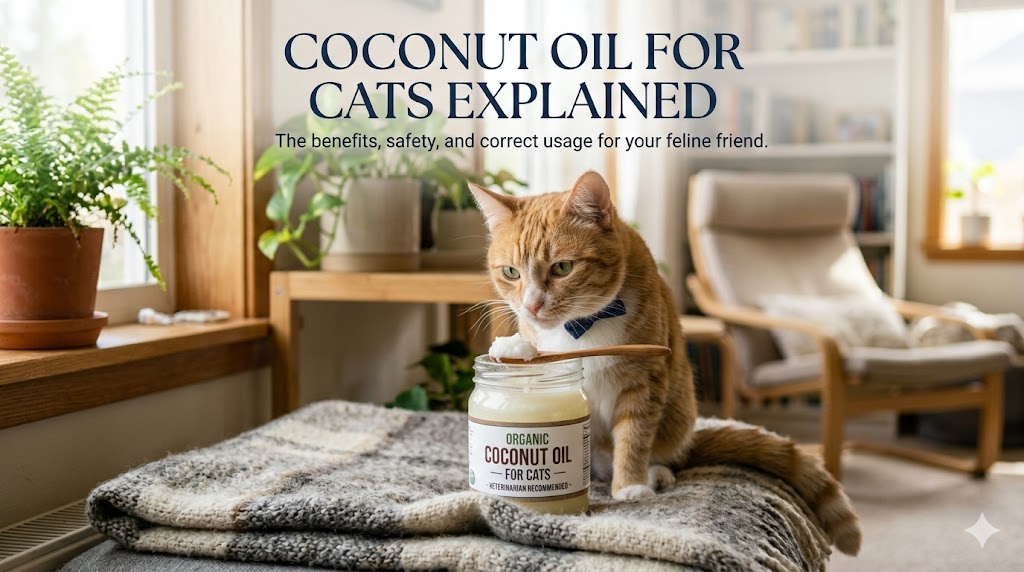
Reasons for Using Coconut Oil on Cats
Most cat owners apply coconut oil due to their preference for natural wellness products for their animals. Others consider the product beneficial for enhancing the coat, reducing dry skin, and facilitating digestion. Others also use it while grooming the cats to address hairballs and skin flakes. Also, discussions in online forums often highlight the efficacy of coconut oil in relieving irritation and improving immune functions. Nonetheless, not all claims have adequate scientific backing. Though some cats have no issues consuming coconut oil, others develop gastrointestinal problems and obesity. Thus, it is important to understand reasonable expectations.
Components of Coconut Oil
Coconut oil comprises primarily saturated fats and calories. It lacks the necessary nutritional value and proteins found in complete cat foods. However, it has lauric acid that possesses mild antimicrobial qualities. It also has medium-chain fatty acids that are metabolized differently from many other types of fats. While the above compounds receive much attention in discussions regarding cat wellness, their consumption may strain a cat’s digestive system. Hence, coconut oil must never substitute a complete feline diet but rather be used as a dietary supplement sparingly.
Is It Safe for Cats to Have Coconut Oil?
Cats can consume coconut oil, but in very tiny amounts. This is because cats’ digestive systems can be very sensitive to such fats. An excess consumption may result in stomach upset, vomiting, greasy poop, and even diarrhea in cats. Overweight or cats suffering from conditions that affect the functioning of the pancreas should avoid feeding too much oil. Introducing this product gradually, under the guidance of an animal specialist, is highly advisable.
Using Coconut Oil on Dry Cat Skin
One of the main reasons cat owners resort to using coconut oil is its moisturizing effects. Flaking skin may occur in response to certain external conditions or because of an improper diet. This kind of product could moisturize dry cat spots and make it more comfortable for them. Moreover, the smooth texture of oil is soothing and beneficial when used for irritated skin. Still, it might lead to some side effects. Excessively oily skin will gather dust and dirt faster, and cats tend to groom themselves constantly.
Coconut Oil and Coat Condition
One benefit reported by cat owners of applying coconut oil to their felines’ skin is coat shine. This oil may soften and hydrate the fur, minimizing dry skin that makes fur look dull. Another effect of grooming with minimal amounts of coconut oil may be gentle removal of dead and tangled fur. On the other hand, nutrition and regular care are crucial factors influencing cats’ coat appearance. It is essential to understand that coating the cat’s skin and fur with coconut oil will not fix the health problems causing fur issues. Hence, dietary changes and veterinarian consultation should precede any other actions.
Can Coconut Oil Help Hairballs?
Feline owners struggling with hairballs find themselves asking whether coconut oil can help. Indeed, it has been suggested that this oil helps with the digestion of hairballs in cats. Thus, felines will cough up less fur or pass more of it through digestion. However, no studies have proven this hypothesis yet. Moreover, excessive consumption of coconut oil may disrupt cats’ digestion, which will negatively influence their condition. It is important to remember that grooming prevents hairballs better than anything else.
The Impact of Coconut Oil on Digestion
Proponents suggest coconut oil improves the digestion process in cats. Small doses might help to loosen the stool and facilitate easier digestion in certain cats. Nonetheless, many cats experience negative reactions when they suddenly face an increase in the dietary fat content. Some cats develop such problems as diarrhea, nausea, or stomach pain because of adding coconut oil to their meals too quickly. It is also vital to note that the positive effect of coconut oil might be rather different in each cat due to individual differences.
Expert Opinions on Coconut Oil
Numerous vet specialists state that coconut oil can be considered safe for cats but is not necessary for the overall health improvement. While some cats might benefit from applying small amounts of coconut oil on their skin or including it in diets, many specialists warn about the harmful impact of its excessive supplementation. Many veterinarians stress the fact that commercial cat food has been created to provide all necessary elements and vitamins. Moreover, there are certain diseases, including obesity or liver disorders, that get worse because of additional fat intake.
Risks Involved in Excessive Feeding of Coconut Oil
Feeding too much coconut oil poses various health threats to cats. This is attributed to its fat content and calorie level. As a result, the cat could start gaining weight due to feeding too much of it. In addition, digestive complications may arise owing to the high intake of coconut oil by the feline within a short while. The symptoms that are likely to arise include vomiting, diarrhea, oily coat, loss of appetite, among other effects. Sensitive cats may have a strong reaction to the oil compared to other cats. There is also the danger of causing pancreatitis due to excess fat.
Allergies and Sensitivities
Some cats may be allergic or sensitive to coconut oil, although this is rarely the case. Such signs may include itchiness, irritation, swelling, vomiting, or digestive troubles in general after application. Topical application may cause sensitivity issues in cats that have fragile skins. Testing out small portions of the oil before applying to the cat helps minimize such risks considerably. It would be prudent to monitor one’s cat for a few days to detect whether there are any changes in behavior after applying the oil.
How to Best Use Coconut Oil
Typically, pet owners administer coconut oil either externally or internally based on their specific objectives. For topical application, rubbing a small quantity between fingers can help evenly distribute the oil over dry areas. Brushing gently after the application ensures that the hair does not develop an oily coating. When administering the substance internally, mixing minute quantities with meals is ideal. Never give your cat spoonfuls of coconut oil at once since gradual consumption allows better monitoring and safer digestion. Using virgin coconut oil is recommended to limit the ingestion of additional chemicals.
Selecting the Best Coconut Oil for Cats
It is important to understand that there are numerous types of coconut oils available on the market. In particular, it can be noted that virgin and cold-pressed oil contains much fewer additives and harmful components than others. Due to this reason, such products are preferred by many people when administering coconut oil to their cats. Moreover, it may be wise to purchase organic oils due to a lower risk of consuming pesticides contained in non-organic variants. Flavored oils should be avoided as well.
Coconut Oil for Older Cats
Some older cats tend to have dry skin and are unable to groom themselves as they get older. This means that they might be in need of supplements to help increase their body hydration. However, giving any supplement to senior pets is risky since it may pose various dangers to their health. Such pets tend to suffer from diseases like kidney illness, obesity, diabetes, and pancreatitis among others. As such, owners of old pets must seek veterinarian advice before administering coconut oil to their pets. Also, regular observation will help determine whether it is beneficial to the cat’s health or not.
Coconut Oil for Overweight Cats
It is quite difficult to manage overweight cats since this health condition poses serious threats to the wellbeing of pets. Coconut oil is rich in calories hence its frequent administration to cats could result in even more body weight. Besides, the chances of contracting health conditions like diabetes, arthritis, and heart diseases increase when one has excessive body weight. It means that it is unhealthy for an owner to give coconut oil without consulting a professional vet first.
Do Kittens Require Coconut Oil?
Kittens’ digestive systems are extremely sensitive, along with their nutritional requirements. Thus, the supplementation of any food requires veterinary advice to avoid putting them at risk. While a minimal dose of coconut oil does not harm a kitten, it usually does not need any oils due to a properly balanced diet. Moreover, digestive problems affect younger animals much quicker than mature cats. It would be better to invest in top-notch kitten food and consult with your veterinarian regularly rather than experiment with different supplements.
What Are the Natural Solutions That May Work Better Than Coconut Oil?
There are plenty of natural supplements that help enhance cats’ skin and coats, unlike coconut oil. For example, the scientific evidence supporting the benefits of fish oil and omega-3 fatty acids for cats is strong. Also, regular grooming helps remove dead hair and improve coat quality. Moreover, proper hydration and nutrition positively affect the overall health of cats’ skin. There might also be special diets for cats that suffer from skin problems.
Indicators That You Need To Cease Coconut Oil Use
Pet owners should consider ceasing coconut oil usage if the cat exhibits any adverse reactions after using the product. Typical indicators include vomiting, diarrhea, laziness, loss of appetite, and excessive itching. Other symptoms to be aware of include greasy fur or escalating irritation. Cats might just not like how it smells or feels when applied to their bodies, leading to increased stress. In other words, forcing them to continue with the procedure is unlikely to be helpful since it will only make matters worse for the animal. It is best to monitor them closely within the first few weeks.
Natural Prevention Of Skin And Fur Issues
Proper care practices are necessary for cats’ healthy skin and fur in addition to coconut oil supplements. Feeding them high-quality cat food with enough nutrients and proteins is essential. Moreover, ensure your pets have access to clean water at all times. Brushing helps remove dead hair and distribute natural oils, contributing to coat health. Keeping your environment tidy also helps avoid allergies that can affect your pets’ skin. Regular vet visits also ensure you detect any diseases in their early stages.
Conclusion
Using coconut oil for cats is one of the most popular practices, but many myths have been developed around it. The fact that small quantities of coconut oil can be beneficial to some cats does not mean that you should give it to your cat without considering its needs. It is essential to use caution when adding coconut oil to your cat’s diet because too much of it can be harmful. The best way to maintain cat health is to feed them healthy diets, keep them hydrated, and groom them regularly.