Blog
Cat Keeps Sneezing But Seems Fine: Complete Guide

There are a lot of factors which lead to sneezing in cats. The most confusing is that the signs usually appear when cats eat, play, and show normal behavior. This aspect makes pet owners worried about the health condition of their felines. Even though a random sneezing event does not necessarily mean an emergency situation, the persistent occurrence of such events means something else. Thus, there are many factors leading to the development of the symptom. In this article, you will discover all the causes of cats’ sneezing and get answers about their treatment.
Why Do Cats Sneeze?
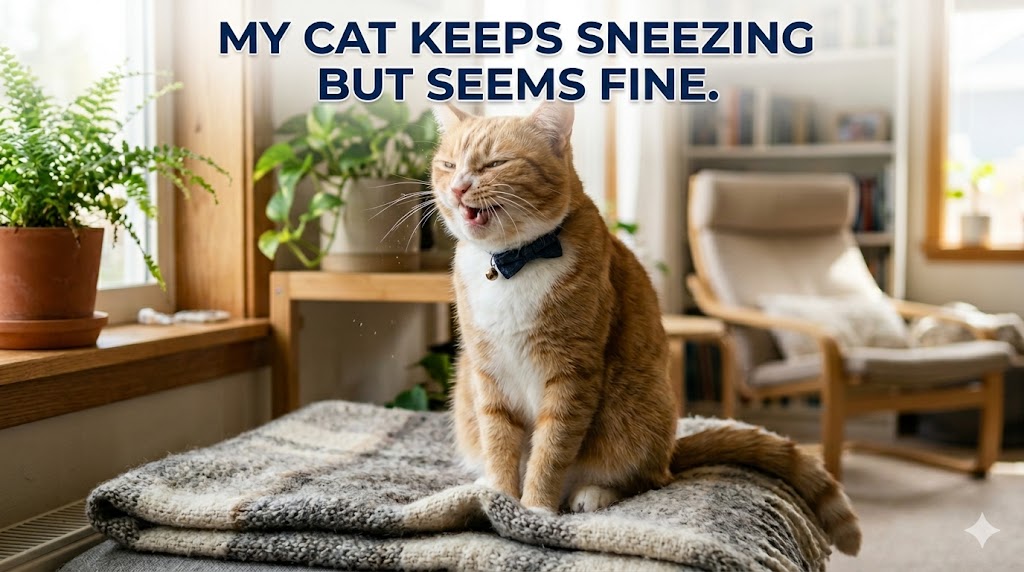
The first and obvious factor triggering cats’ sneezing is that this reaction removes irritants from the noses. Just like humans, cats sneeze when particles of dust, pollen, smell, or any other allergen get inside the nostrils. The reflex serves as protection of the respiratory system. There is no need to worry about single sneezing events because cats do it occasionally, but if your pet shows repetitive behavior within several days, it may indicate the presence of any kind of disease or infection.
An Occasional Sneezing Spell Is Considered Normal
If your pet occasionally sneezes, there is usually nothing wrong. The feline will sneeze when they come across dust or litter particles, which irritate their sensitive nasal passages. Moreover, your cat can sneeze due to dry air that causes nasal irritation. In case your pet seems healthy after sneezing, you do not need to be alarmed. Healthy cats continue eating, grooming, and playing without being bothered by anything. However, as a precautionary measure, keep an eye on your pet as changes in sneezing might occur over time.
Dust and Home Hazards
One of the most frequent triggers of feline sneezing is undoubtedly dust. This irritant will affect your pet’s nose and cause them sneezing spells. In addition, scented candles, cigarette smoke, perfume, aerosols, and fresheners tend to aggravate the issue. Cats are rather sensitive animals, therefore, even mild smells can become a problem. To make sure that your pet does not have any trouble with sneezing, keep your house clean and well-ventilated.
Litter Box Dust May Cause Sneezing
Most types of cat litter generate dust when cats scratch and bury their droppings. In turn, cats take in small dust particles, which lead to irritation in the nose. The majority of clay-based litters create more airborne dust than low-dust versions. Hence, choosing dust-free or natural litter may decrease sneezing attacks considerably. Cleaning litter boxes on a consistent basis will ensure there is no unpleasant smell to exacerbate irritation. The effect from litter replacement may be noticed immediately or take some time. Paying attention to a cat’s response will reveal if dust from cat litter caused sneezing.
Seasonal Allergies in Cats
While allergies are widespread among humans, cats may have similar allergic responses to environmental factors. Depending on the season, cats experience a surge of allergens, including pollen, grass, mold spores, and dust particles. Due to increased exposure, cats with allergies will start sneezing more frequently. In addition, some cats might exhibit other symptoms, such as tearing eyes and slight scratching. Cats living indoors will not be exempt from allergies since pollen, dust, and mold will enter through open windows, clothing, and ventilation systems. Luckily, reducing exposure is likely to make cats feel better.
Mild Upper Respiratory Infections
Occasionally, cats experience mild upper respiratory infections that mirror the common cold in humans. The condition is usually characterized by sneezing with the cat showing no apparent sign of illness or lethargy. Mild nasal discharges and watery eyes also happen during early phases. When viral infections such as feline herpesvirus strike, sneezing fits become recurrent events in the cat’s lifetime. Stress can also precipitate symptoms from time to time. While mild infections generally resolve on their own, cat owners must keep a close eye on their pets. Changes in appetite, respiration, and thicker discharge signify the need for professional assistance to prevent further complications.
Feline Herpesvirus and Sneezing
Feline herpesvirus is currently the most common cause of chronic sneezing in cats. Cats typically catch the disease when they are kittens, particularly those housed in overcrowded shelters. Once infected, the virus persists within the animal’s body for life. It is possible for stressful conditions to trigger symptoms again. Common symptoms include sneezing, runny eyes, and mild nasal discharge. However, many cats remain healthy even with this infection. With appropriate diet, stress management, and routine veterinary checkups, symptoms can be easily managed.
Calicivirus in Cats
Another disease responsible for feline sneezing is feline calicivirus. Not all cats exhibit severe symptoms caused by this virus, and some may appear normal despite being ill. The others may suffer from such symptoms as ulcers in the mouth, fever, and general lethargy. It is necessary to observe pets because of varied symptoms. Vaccinations will prevent the disease and make it less severe if caught. Moreover, proper hygiene may decrease the risks of transmission as well. Isolation of one cat from others during the period of illness may help protect the other pets. In case any symptoms occur, the vet should be consulted immediately.
Dental Disease May Lead to Sneezing
Sometimes, a reason for sneezing can be connected with an oral cavity, and especially with dental disease. Upper teeth infections can move towards the nose area, which results in sneezing even without mouth pain. Alongside sneezing, the symptoms include bad breath, excessive salivation, difficulties with eating, and swollen gums. Unfortunately, this kind of infection is rarely detected since it progresses slowly. Regular oral check-ups can help avoid many problems associated with it. In addition, dental cleaning can eliminate the infection.
Inhaled Foreign Bodies
Sometimes, your kitty might accidentally inhale something tiny and get it stuck in his nose. Such things include blades of grass, dust, plant materials, and other bits of dirt. When this happens, the cat experiences bouts of sneezing and scratching. In some instances, a cat will shake his head frequently due to irritation. Typically, sneezing usually eliminates the problem on its own. If this does not happen, you must take your cat to a vet for further advice. You should never stick anything into a cat’s nose since this could result in injuries.
Low Humidity
The indoor environment is sometimes very dry due to heaters and air conditioners. During cold seasons, the lack of sufficient humidity may cause irritation of nasal passages in sensitive kitties. Therefore, they experience frequent bouts of sneezing. The best solution is to purchase a humidifier, which will add moisture into the air. Additionally, make sure that your kitty drinks plenty of water to keep him hydrated.
Stress and Sneezing in Cats
The impact of stress on a cat’s wellbeing is greater than many people think. Stressors such as moving homes, adding another pet, loud sounds, or changing daily habits make the body vulnerable to viral attacks. This makes dormant viruses in the body active, which causes sneezing. Also, some cats develop an increased sensitivity to environmental irritants during times of high stress. Thus, keeping an environment that minimizes stress levels is important for avoiding health issues. The use of silent spots, scheduled meals, and a comfortable bed promotes calmness. Playing with your cat also enhances trust and lowers anxiety levels. Handling stress efficiently may reduce sneezing in sensitive or infected cats.
When Sneezing Is an Emergency Situation
While sneezing once in a while does not cause problems in most cases, some conditions cannot be ignored. For example, continuous sneezing for several days requires medical attention since the condition may be caused by infection or irritation. Another sign of severe sneezing is having discolored and thick discharge. Having difficulty breathing, wheezing, coughing, and breathing through the mouth are all emergency symptoms. Also, a lack of appetite and energy is something you should consider.
Cat Behavior Observations
Behavioral changes are key indicators of good or poor feline health conditions. For instance, a sneezing cat that remains energetic, continues to play and sleep normally has only mild irritation. Otherwise, a lack of energy or hiding behavior could mean discomfort or disease. Litter box activities and fluid consumption need close monitoring. Rapid changes could indicate some disease conditions before other signs occur. Finally, breathing can be an excellent indicator of problems. Quiet breathing is a sign of healthy cats, but abnormal breathing calls for attention.
At Home Tips for Sneezing Cats
Many simple things can be done at home in order to relieve a sneezing cat’s condition. It is necessary to keep your living space as much clean and without dust as possible. Moreover, it is not advisable to smoke cigarettes or burn candles in such situations. Unperfumed cleaning agents will be a good choice. Increase the water consumption of your pet by giving wet food and pure water regularly.
Importance of Veterinarian’s Consultations
Regular visits to a veterinarian can significantly reduce the risk of respiratory infections. The process involves thorough examination of teeth, nasal passage, lungs, and overall health condition. Prevention is possible due to early diagnostics and the possibility of curing mild conditions before turning into more serious ailments. Vaccinations prevent many viral respiratory infections in felines. Moreover, the veterinarian may recommend diet modifications according to particular health concerns. In case of even insignificant sneezing, the consultation will help owners be sure about their cat’s health. It is wrong to trust the internet blindly, as all pets have different medical issues that require special attention.
Can Indoor Cats Fall Ill?
Owners believe that their indoor cats do not suffer from any diseases because of the environment. However, indoor cats still face exposure to allergens, viruses, dust, irritants, and other factors within the house. People bring germs indoors from outdoor walks on clothes, shoes, and hands. Furthermore, the cat can come across irritants by opening windows and ventilation system. Nevertheless, indoor cats can catch many infections due to being in a closed room without adequate air flow. Vaccination remains the most effective prevention tool despite indoor conditions.
How to Prevent Sneezing Problems
Prevention of respiratory irritation is not a one-time process but requires ongoing effort. First of all, purchase dust-free litter and regularly clean the litter boxes. Secondly, it is recommended to clean carpeting and upholstered furniture to minimize allergens indoors. It is essential not to expose pets to cigarette smoke, perfumes, and other irritants. Frequent visits to the veterinarian ensure that your cat’s overall health is on a good level. Besides, healthy nutrition and hydration support immunity. This way, owners can considerably decrease the possibility of sneezing-related disorders.
Conclusion
Thus, a cat that constantly sneezes without being sick might be affected by dust or dry air. Nevertheless, sneezing often serves as a symptom of infections, allergies, or any other underlying conditions. In this case, close monitoring is necessary to understand whether further actions should be taken. Most importantly, providing proper hygiene, nutrition, and avoiding stressful factors is the best approach to preserving your pet’s respiratory system in top condition. Consequently, many cats continue enjoying their life despite their problem.