Blog
My Cat Is Sneezing A Lot Explained: Tips, Facts, And Vet Insights

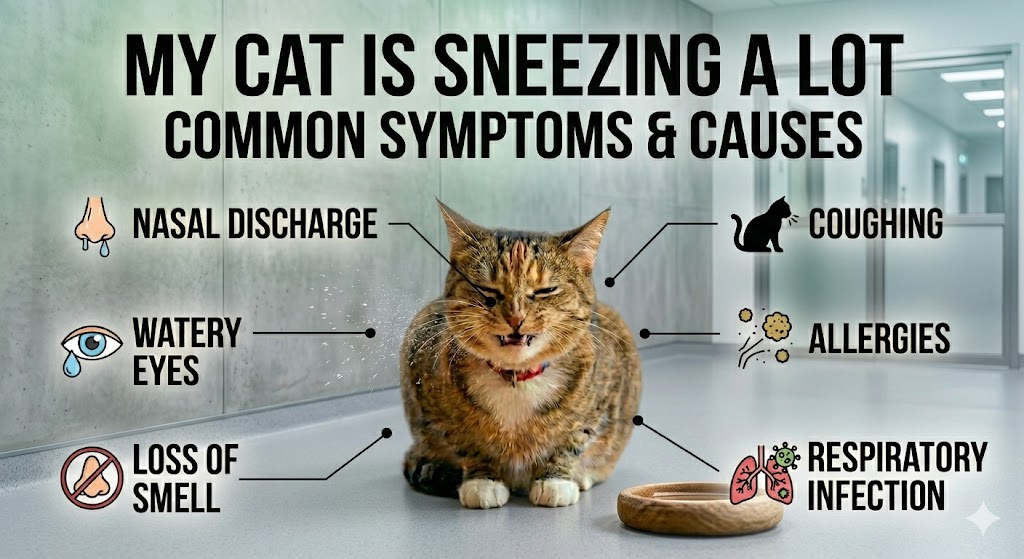
The reasons for cats to sneeze are varied, and sporadic sneezing is not normally a sign of any severe medical conditions in cats. Sneeze is simply one of the ways through which the body expels dust or irritants that accumulate in the nasal cavity. However, continuous sneezing can be a sign of an infection, allergy, dental disease, and breathing problems. Moreover, there are some cats whose tendency is to sneeze due to environmental conditions, such as exposure to smoke, perfumes, or dusty litter boxes. Knowing the possible causes behind sneezing will help you know whether there is a problem and the measures required in addressing the same.
Occasional Sneezing vs Frequent Sneezing
Although occasional sneezing may be considered normal behavior in cats, frequent sneezing calls for special attention since it may mean there is something wrong with the animal’s health. The reasons for sneezing include exposure to some strong smells, being in dusty places, and intensive self-grooming on the cat’s part. In turn, the symptoms like sneezing, runny nose, watery eyes, coughing, or loss of appetite are signs that indicate a health problem. Moreover, sneezing may disturb the cat’s comfortable sleep during the night. As a result, observing a change in the frequency of sneezing along with other symptoms should help owners make the right decision concerning treatment.
Upper Respiratory Infections in Cats
One of the main causes of sneezing in cats is an upper respiratory infection. This type of ailment involves viruses and affects mainly the area of the cat’s nose and throat. Furthermore, other symptoms of an upper respiratory infection include nasal congestion, teariness of the eyes, high body temperature, lack of appetite, and fatigue. It should be mentioned that kittens and cats kept in shelters are at risk of getting sick since they live in crowded conditions and are more prone to diseases.
Irritants and Allergens
Indoor cats often become susceptible to various irritants due to the exposure to various household products regularly. Common irritants such as dust, perfumes, cigarette smoke, scented candles, various cleaning products, and pollen can affect cats’ noses causing repeated sneezing attacks. Another irritant can be cat litter as it contains various dust particles which cause increased irritation and discomfort in the upper respiratory tract. Mold, air fresheners, and seasonal allergies can also become a source of sneezing fits for some cats. Thus, identification of the allergens and irritants can help cats enjoy healthy environments free from unnecessary sneezing.
Cat Flu and Its Symptoms
Cat flu often manifests itself with a runny nose, mouth ulcers, watery eyes, breathing difficulties, fever, sneezing, and poor appetite in cats. In addition to all these symptoms, cat flu is a very infectious condition. It is spread by direct contact with other cats, use of communal food bowls, and contaminated surfaces. Kittens, cats older than seven years of age, and cats with compromised immune systems are highly prone to cat flu and its complications. Therefore, isolating sick cats from healthy ones will help contain this condition in time.
Dental Problems and Sneeze
Cat owners often find it surprising that dental diseases can cause sneezing attacks in cats. Upper teeth infections can lead to problems associated with sneezing as these teeth are located near the sinus area. Also, gum diseases and tooth abscess can cause inflammation of nasal areas leading to nasal discharge and frequent sneezing attacks. Cats who suffer from dental disease often exhibit foul breath, excessive salivation, and trouble with eating along with their breathing problems. Dental care is essential in maintaining good oral health in cats.
Intranasal Foreign Bodies
Sometimes, the cause for frequent sneezing in cats can be found in their intranasal area as a foreign body gets lodged inside causing sneezing attacks and inflammation of tissue inside. Small blades of grass, pieces of plants, dust particles, and any foreign object can irritate tissue lining and result in constant sneezing in an attempt to get rid of the object on their own. Also, affected cats start pawing at their noses and experiencing nasal bleeding. Persistent sneezing on one side of the head is the sign of lodged object.
Nasal Polyps and Tumors
In some cases, nasal polyps and tumors can cause constant sneezing and breathing difficulties for felines. These are non-malignant tissue growths that occur in the nose or throat and hinder airflow. In addition, various tumors and other growths can be responsible for such symptoms, particularly in older cats. Cats suffering from such illnesses often snore and have noisy breathing in addition to sneezing fits and runny noses. The symptoms gradually intensify, so pet parents do not notice them initially. Medical scans are necessary to diagnose these conditions.
Stress and Sneezing in Felines
Stress is a common issue that can affect the health of domesticated animals in many ways. It can also aggravate sneezing problems. Cats under stress are less likely to have effective immunity and become more susceptible to infections and viruses. Moreover, sudden environmental changes, noise pollution, other pets, and even the daily routine can be overwhelming for felines. Some cats are carriers of the feline herpesvirus. When such cats are stressed, they can suffer from sneezing fits.
Sneezing in Kittens
Sneezing is quite common in kittens due to the immaturity and fragility of their immune system. Viral respiratory infections are quick to manifest in young cats that live together. Other signs of an infection could be eye discharge, congestions, and lack of appetite, which in some cases affect respiration and nutrition. In such circumstances, immediate consultation with a veterinarian becomes essential. As a rule, young kittens dehydrate rather quickly when ill. Effective vaccination plays a protective role for kittens against most contagious respiratory illnesses. Thus, it is vital not to neglect sneezing in kittens because early treatment positively affects their recovery and prevents respiratory issues.
Nasal Discharge in Cats and What it Suggests
There are different types of discharges observed in sneezing cats, depending on the condition. Usually, clear mucus suggests irritation or a beginning of an infection caused by a virus, whereas mucus with a yellowish or green color means bacteria is involved. Sometimes, there is also blood in nasal discharge because it occurs due to inflammation, injury, tooth problems, or tumor development. Owners should note whether discharge is present in only one nostril or both sides.
The Problem of Sneezing
Problems with this symptom start to occur when other symptoms appear or when the problem lasts for long periods. In general, such symptoms as breathing problems, eating difficulties, lack of energy, fever, thick discharge from nostrils, and fast weight loss need immediate veterinarian consultation. Also, open mouth breathing and severe congestion have to be immediately checked by a veterinarian since it is a serious respiratory distress sign. Cats rely mostly on their sense of smell to stimulate appetite.
Diagnostic Techniques for Finding a Reason Behind Sneezing
Several approaches are used by veterinarians to identify reasons behind frequent sneezing attacks. Firstly, veterinarians collect information about the pet’s health, environment, vaccination status, and symptom development process. Also, physical examination helps to see if there is an inflammation in the nose, fever, dental issues, or breathing problems. Blood test, nasal swab, X-rays, and other diagnostic techniques may also be suggested. For more complicated cases, sedation might be needed to examine nasal passages properly.
Sneezing Treatment for Cats
The treatment method is solely dependent on the causes of the problem. In case of a viral infection, treatment involves hydration, nutrition, and allowing the cat to rest until it recovers fully from the condition. Moreover, a bacterial infection can be treated using medications recommended by the vet. However, allergies and irritants are best addressed using air purification techniques. Other possible solutions include surgical intervention for dental infections and tooth extractions. Finally, a severe blockage can require surgery and advanced procedures.
Home Remedies for Sneezing Cats
It is advisable for owners to ensure their sneezing cats recover adequately at home. They can do this by keeping warm rooms with high humidity levels since they can help reduce nasal congestion. Besides, they can wipe their noses gently using clean cloth material. Owners can provide fresh water and delicious wet meals to encourage adequate hydration and nutrition. Finally, they must avoid exposing sneezing cats to irritants such as dust, smoke, and strong scents.
Prevention of Respiratory Disease and Sneezing in Cats
Prevention is crucial in reducing the likelihood of developing respiratory problems in cats. Vaccinations can protect cats from various viruses, including the feline herpes virus and the calicivirus. In addition, keeping environments clean will reduce exposure to harmful irritants. Regular visits to the veterinarian will ensure the timely diagnosis of any diseases that the cat may be experiencing. Avoiding smoking inside the house and choosing low-dust litters is also important. In addition, managing stress will contribute to increased immunity and decreased frequency of viruses. Thus, taking preventative measures will contribute to maintaining healthy respiratory system functioning.
Differences Between Indoor and Outdoor Cats in Terms of Sneezing
Sneezing problems can develop both in indoor cats and in outdoor ones. However, risks associated with these conditions vary considerably depending on where the pet lives. Outdoor cats can easily contract diseases because of high levels of contamination by viruses and irritants. Moreover, outdoor cats have more opportunities to sustain an injury or inhale an object causing discomfort. Indoor cats, on the other hand, are exposed to household irritants such as smoke or dust.
Insights about Chronic Sneezing From Veterinarians
Veterinarians note that some sneezing can continue for long after an infection is fully resolved. Cats affected by feline herpesvirus will experience recurring infections whenever they experience stress or become immunocompromised. Also, scar tissue in the nose and other cases of chronic inflammation will cause some cats to sneeze. Although some sneezing will be manageable for pets, any worsening condition will require re-evaluation by the veterinarian to check whether the pet has contracted secondary diseases or infections. In essence, supportive care, proper hydration, nutrition, and reducing stress will help in respiratory problems.
Naturally Supporting Your Cat’s Immune System
Good immune systems in pets ensure that they resist infection attacks. Well-balanced diets provide the essential nutrients required to improve immunity and general well-being. Hydration, exercise, and minimizing stress levels also support the natural immune response system. There are also some supplements like lysine recommended for cats with respiratory issues by veterinarians in most cases. The pet’s living environment and its routine activities will determine how many times a cat will encounter irritants and allergens in the atmosphere.
Conclusion
The frequent occurrence of sneezing episodes in cats is likely to arise as a consequence of infections, allergens, dental complications, irritation, and other health conditions that may occur in cats. While occasional sneezing rarely poses any threat to the cat’s well-being, continuous occurrences of such should not be disregarded as they could potentially be a symptom of an ailment that requires medical intervention. Recognizing potential changes in respiration, feeding habits, nasal discharge, and overall energy can greatly assist in identifying the problem early on. Proper medical care, vaccinations, water intake, and a safe environment are beneficial when improving the overall health of the respiratory tract.