Blog
Cat Kidney Disease Symptoms: 10 Early Warning Signs

Kidney illness continues to be one of the most prevalent disorders in cats, particularly older cats. The kidney performs the important role of eliminating toxins from the body while also balancing fluids. However, with an impaired kidney, its filtering capabilities slowly diminish until the toxins start accumulating in the body. This accumulation results in health deterioration that affects the overall well-being of the cat. Kidney illness is also a progressive condition whose onset might go unnoticed in its early stages. Therefore, it is crucial to learn about the disease’s indications to detect it early on and prevent further health issues.
Importance of Early Detection
Early detection of kidney illness plays a crucial part in improving a cat’s quality of life and health outcomes. Cats may behave normally throughout the early stages of this condition since the symptoms are hardly visible at first. Nonetheless, changes in behaviors like thirst, eating habits, and energy levels could signal the development of kidney dysfunction. Besides, the disease could escalate into severe dehydration and even organ damage when left untreated. By seeking veterinary assistance for testing, an owner would be able to determine any kidney issues before it becomes a serious concern.
Sign 1: Excessive Thirst
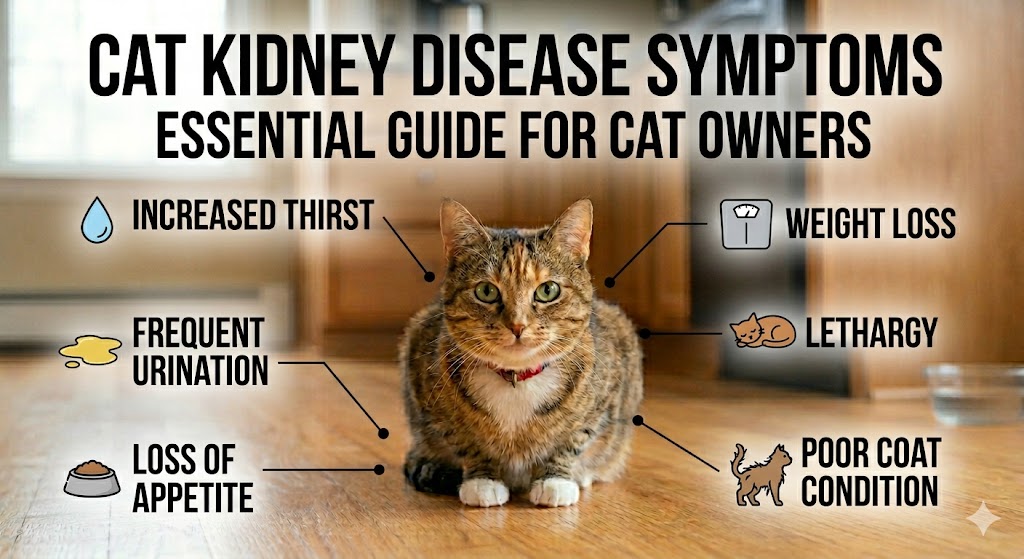
Among the first indicators of kidney disease is excessive thirst and water consumption. The malfunctioning kidneys can no longer conserve water effectively, resulting in cats needing to drink more frequently within the day. It is also worth noting that the change occurs gradually, meaning it might be challenging for pet owners to detect it. In addition, cats with kidney disease often drink at night, which means owners need to monitor the water intake of cats carefully. Thus, by keeping track of water consumption, pet owners can observe unusual water consumption patterns, allowing them to take necessary actions promptly.
Sign 2: Frequent Urination
The second indicator of kidney disease is frequent urination caused by inefficient urine concentration. Consequently, the body will eliminate higher volumes of diluted urine daily. In addition, owners can detect changes related to the cat’s urination patterns, such as full litter boxes, large urine clumps, and accidental urination outside the litter box. Also, some cats urinate several times a day while drinking plenty of water. In summary, excessive urination can occur concurrently with excessive thirst and dehydration. Thus, paying attention to urination frequency allows pet owners to diagnose kidney disease earlier.
Sign 3: Unusual Weight Loss
Unexpected weight loss is another clear sign of kidney disease in cats since damaged organs have an impact on nutrient balance and appetite regulation leading to weight reduction. It is also common for cats to experience muscle loss even when feeding on their daily meals. Usually, the weight loss process in such cats progresses slowly, hence difficult to recognize instantly without constant observation. Besides, low levels of nutrients in the cat’s body cause weakness and depletion of its energy stores. Consequently, it is important for cat owners to weigh their pets at home frequently and watch out for any noticeable physical changes.
Sign 4: Loss of Appetite
The majority of kidney disease cases among cats are accompanied by lack of appetite as toxins accumulate in their bodies, causing nausea and other stomach-related issues. Such animals usually show signs of sniffing their food but avoiding eating or having difficulty consuming the required amount of food every day. In some cases, affected cats develop picky appetites and refuse to eat certain food items that they used to love before. Appetite loss also results in severe dehydration, fatigue, and fast weight reduction over a short period of time.
Sign 5: Vomiting and Nausea
Vomiting in cats is common for those who have developed kidney disease since the excess amounts of toxins build up in the bloodstream. Such toxins irritate the lining of the stomach leading to nausea. Other symptoms of nausea include excessive salivation, gagging, and general stomach discomfort before the actual vomiting starts. The substance in the vomit can range from the cat’s food to yellow bile or even foaming. Frequent vomiting results in dehydration which weakens the cat’s body and requires immediate medical intervention. It is vital to consult your veterinarian about the mentioned symptoms along with increased thirst and/or loss of appetite.
Sign 6: Bad Breath
The bad breath in sick cats is caused by the excess amount of toxins accumulated in the cat’s body. The most common smell of such breath is described as chemical or ammonia. Furthermore, waste products accumulating in the body may cause the formation of ulcers in the cat’s mouth and gum irritation causing severe bad breath. The cats will experience mouth pain and will try not to eat or constantly scratch their mouth. In some cases, bad breath does not occur instantly but starts developing gradually and may go unnoticed at first.
Sign 7: Weakness and Fatigue
Cats experiencing kidney problems tend to feel weak and have low energy levels. This happens due to toxins accumulated in the body and dehydration. The body also loses important nutrients that make it difficult to absorb enough calories. Thus, cats suffering from kidney disease show a lack of enthusiasm for playing, eating, moving around, socializing, and other activities. Cats also may hide in quiet spots and spend a lot of time sleeping. Because this symptom develops slowly, most pet owners associate low energy levels with natural aging. That is why it is crucial to monitor changes in cats’ behavior closely to diagnose potential diseases at an early stage.
Sign 8: Dull Coat
Chronic kidney disease affects cats’ coat condition and grooming habits. Normally, healthy cats keep their fur in good condition due to routine grooming behaviors. However, cats with kidney disease do not groom themselves because they are exhausted, ill, and experience nausea. Therefore, their coats may look unkempt, greasy, dirty, and unhealthy. Besides, dehydration leads to skin issues, including dryness, irritation, peeling, and other problems. Excessive hair loss also occurs when the coat becomes unhealthy because of kidney disease.
Sign 9: Dehydration
The condition is common in felines with renal failure since their kidneys do not retain enough water in their bodies. Though the animal drinks much water, there will be excess loss of fluids due to frequent urination. Some of the signs associated with dehydration include dry gums, sunken eyes, weak body, and poor skin elasticity. Moreover, dehydration might worsen toxin build-up and make the cat more fatigued. It is vital to keep track of hydration levels, especially in senior cats with kidney disorders. The provision of clean water at all times promotes optimal fluid balance and reduces the risk of health issues.
Sign 10: Changes in Behavior
When cats experience kidney failure, there is a likelihood that they will behave differently due to pain and high toxin concentrations in their bodies. For example, an animal that is usually social and friendly becomes distant and irritable. The pet also tends to hide most of its time and avoids interactions with other people and animals in the household. In addition, confusion and agitation might be witnessed in advanced cases of kidney failure since toxins slowly impair brain functions. People can misinterpret the changes for natural aging or stress-induced behaviors.
Factors Causing Kidney Disease in Cats
Different factors play a vital role in the development of kidney diseases in cats. Ageing continues to be one of the major factors since the functioning of kidney declines with age. Moreover, infections, toxins, dehydration, inherited disorders, and high blood pressure can damage kidney tissues irreversibly. Medications and poisoning agents like lilies or antifreeze can cause kidney failure suddenly. Dental disease is also associated with kidney disease because bacteria from dental problems can affect kidney health. The lack of noticeable signs in the initial stages makes kidney diseases difficult to detect. Regular visits to veterinary practices are crucial to maintain proper kidney function.
Chronic Kidney Disease Versus Acute Kidney Injury
It is vital to understand that there are two kinds of kidney diseases called chronic kidney disease and acute kidney injury. Chronic kidney disease tends to develop gradually during months or even years and is prevalent in old cats. Acute kidney injury, on the other hand, is triggered by toxins, infections, and dehydration. Acute kidney injuries tend to be more serious and even life-threatening. Therefore, prompt and appropriate medical intervention is important in order to save the cat’s life.
Diagnosis of Kidney Disease
Various tests are available that assist veterinarians in diagnosing kidney disease in cats. For instance, blood samples are analyzed to determine the presence of waste products in the cat’s body such as creatinine and blood urea nitrogen. The level of hydration can be determined by using urine tests. Further, ultrasounds and x-rays are used to determine the size of the kidneys, the presence of kidney stones, and any other kidney abnormalities. Furthermore, veterinarians check for high blood pressure since it is usually common among cats suffering from kidney disease. In conclusion, diagnosis enables veterinarians to identify kidney disease before it escalates further and provide the necessary treatment measures.
Treatment Methods of Kidney Disease
Kidney disease cannot always be treated successfully. However, veterinarians can provide treatment solutions that slow down its development and increase the patient’s comfort. For instance, veterinarians prescribe prescription foods that contain low amounts of proteins and phosphorus. Fluid therapy also assists in treating dehydration and eliminating toxins in the body. Furthermore, medication can be used to manage other health problems such as high blood pressure and nausea.
The Significance of Kidney-Friendly Diets
A specific aspect associated with nutrition in cats diagnosed with kidney problems is extremely important to be taken into account. Such diets have balanced nutrients, low phosphorus, and high-quality protein that makes food easily digestible and less harmful for cats. Another benefit of special kidney diets is their moisture, which is useful to support the hydration status of cats. Cats often resist new types of food, and, therefore, gradual food transitions become necessary to facilitate acceptance. Thus, close collaboration with veterinarians helps select the best diet to manage kidney symptoms.
Providing Water Support
It is essential to focus on hydration support as cats lose plenty of fluid due to frequent urination. Owners need to place several water dishes around the house and keep them clean all the time. Another good idea to stimulate water consumption is to buy water fountains that can attract cats to consume more fluid. It is also crucial to use wet food since it adds more moisture to cat diets. Some cases of kidney diseases require providing subcutaneous fluid administration by owners at home.
Preventive Care for Healthy Kidneys in Cats
While all kidney disease cannot be prevented, maintaining certain health practices decreases risk. Balanced nutrition and adequate access to fresh water and routine veterinary exams support good health. Toxic materials must also be kept away from cats to prevent potential poisoning and sudden kidney damage. Regular dental hygiene lowers infection risk associated with kidney disease. Early signs of possible kidney disease can be recognized by monitoring the cat’s body condition, appetite, thirst levels, and elimination behaviors. Consequently, appropriate daily care and health maintenance practices keep cats healthy and prevent serious issues, including kidney diseases, that could affect them in their senior years.
Taking Care of a Cat with Kidney Disease
Patience, dedication, and careful observation are the keys to successfully managing cats with kidney diseases. With proper management and following veterinarian advice closely, many felines live happy lives. Medication administration and hydration and diet changes make it possible to manage cat health well and minimize any adverse side effects. Furthermore, regular veterinary care allows the owner to adjust treatments in case of any necessary changes. Stressing cats as little as possible and providing quiet places for them to rest is important as well.
Conclusion
The issue of kidney problems in cats can be a difficult one, although it is definitely not something that cannot be managed effectively. Some early signs include excessive thirst, frequent urination, vomiting, weight loss, and fatigue. It is crucial for the owner to act immediately upon seeing any of the mentioned symptoms in their pet. Furthermore, adequate feeding, hydration, and health care can help prevent kidney failure. Kidney problems in cats do indeed mean a lifetime commitment, although with proper treatment, your cat will still lead a healthy life.