Blog
Signs And Symptoms Of kidney Failure In Cats: what to do next?

The process of kidney failure occurs in many cats as the organs do not function well anymore. Kidneys eliminate toxins and excess water regularly. However, damaged kidneys begin to fail in performing their duties effectively. Consequently, waste builds up in the blood, having negative consequences for the animal. Moreover, kidney disease usually progresses gradually, which makes it challenging to identify the first symptoms on time. Hence, knowing how kidney failure can affect feline health will help cat owners spot early signs and treat the problem before more complicated issues arise.
What Does Kidney Failure Mean for the Body?
By definition, kidney failure refers to the inability of kidneys to work effectively and cleanse the body properly. Working kidneys control fluid balances, blood pressure, and production of red blood cells. Nevertheless, damaged organs cannot carry out their responsibilities. This is why waste begins to collect and negatively influence the functioning of different organs. What is more, kidney failure also results in dehydration, fatigue, and digestive issues experienced by affected cats.
Differences Between Chronic and Acute Kidney Failure
Depending on the reason behind feline renal disease, cats may experience acute or chronic kidney failure. Chronic kidney failure occurs gradually over months or years due to an accumulation of different diseases. However, acute kidney failure may occur very fast due to various reasons. For instance, it is common among poisoned, infected or dehydrated cats. Also, kidney failure that occurs suddenly is often life-threatening and may kill cats within hours or days. Hence, it is important to differentiate between the two forms of kidney failure and seek urgent medical assistance when necessary.
Possible Causes of Kidney Failure
Several health issues and environmental factors may lead to kidney failure among cats. The first one is the aging process, during which the function of kidneys starts decreasing significantly. Moreover, some infectious and non-infectious diseases, including infections, toxins, dehydration, high blood pressure, and genetic disorders may affect the proper functioning of kidneys. Various medications may also cause renal disease in cats. Some toxic plants that cats consume may result in acute kidney failure. Finally, any untreated oral disease may have negative impacts on kidneys and their function.
Sign 1: Excessive Thirst
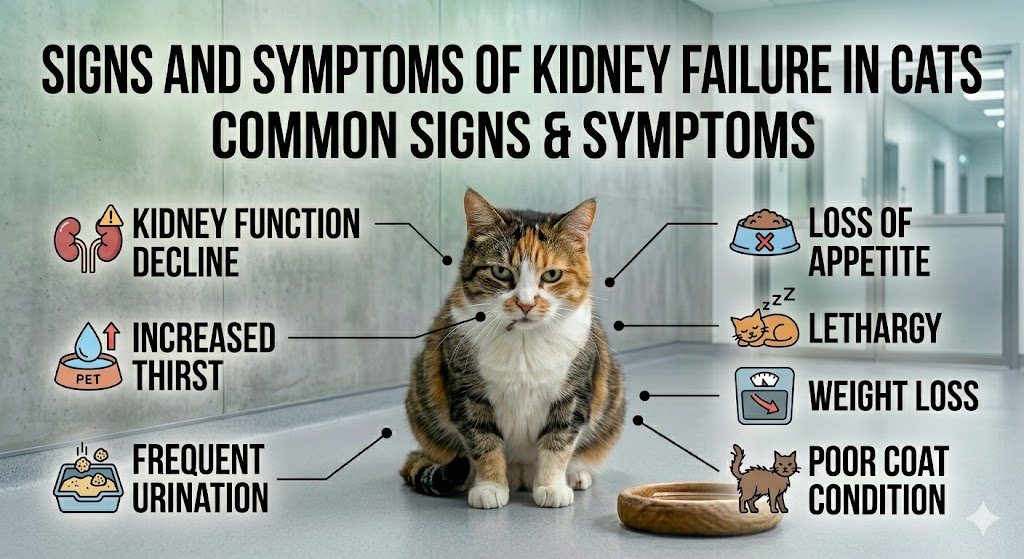
Excessive thirst is one of the first warning signs that your cat might be suffering from kidney failure. With damaged kidneys, a cat’s body fails to conserve fluid and water. It means that your cat drinks excessively. You can notice how often its water bowl stays empty or your cat searches for water sources like kitchen or bathroom sinks. Moreover, excessive thirst increases gradually and therefore goes unnoticed by many owners. It explains why it is essential to keep an eye on your pet’s drinking habits and seek professional help at early stages of this condition in order to prevent serious complications like dehydration or toxins accumulation in your pet’s body.
Sign 2: Urinating Frequently
A frequent urination is a common symptom of kidney failure since a cat’s organs are not capable of producing concentrated urine. Larger volumes of liquid urine exit the body frequently. As a result, litter boxes may get heavier or you may see more urine clots or even find your cat urinating outside the box. Moreover, urinating frequently occurs alongside excessive thirst and dehydration.
Sign 3: Weight Loss
Weight loss is common among cats suffering from kidney problems, specifically older cats. This is because poor kidney function can cause poor nutrition and decreased appetite that leads to thinning of the cat’s body weight gradually. Besides, the kidney issues cause loss of muscle tone even if the cat eats healthy. It may be difficult to realize that something is wrong since the problem develops slowly. Moreover, malnutrition causes low levels of energy and body weaknesses among many other health concerns. Thus, it is always advisable to pay attention to any weight changes of your pets since they may suggest kidney issues.
Sign 4: Loss of Appetite
One of the most common signs of kidney failure in cats is poor appetite since the accumulation of toxins makes the stomach feel unwell. The affected cat stops eating or refuses to have any meal at all. Furthermore, it becomes difficult for the cat to choose between food items. In some cases, it may show disinterest in foods it once loved. Poor appetite causes several health complications like fatigue, dehydration, poor weight, and vomiting. It is vital to note that lack of appetite causes nutritional deficiency and needs urgent medical attention.
Sign 5: Vomiting and Nausea
Vomiting is common among cats suffering from kidney failure since the toxins in the bloodstream continually irritate the stomach lining. Cats suffering from kidney failure vomit frequently, expelling either food particles, bile, or frothy mucus up to several times per week or day. Cats may experience nausea, which results in excessive drooling, tongue flicking, and lack of interest in food. Frequent vomiting makes cats dehydrated and weak.
Sign 6: Bad Breath
Bad breath results from the buildup of waste toxins in the blood due to kidney failure. The smell is described by some cat owners as chemically pungent or resembling ammonia. Furthermore, toxins cause formation of painful mouth ulcers and irritated gums, making it difficult for them to eat. They may experience excessive drooling and pawing of the mouth as a result of the discomfort.
Sign 7: Tiredness and Weakness
In many cases, cats suffering from renal failure exhibit signs of unusual weakness and fatigue due to the effects of toxic accumulation on their energy levels. Cats with the disease can be seen sleeping more often, failing to climb, and showing less interest in playing and socializing. Dehydration and poor nutrition also result in physical weakness and lack of vitality in these animals. Depression is another symptom that might occur in them.
Sign 8: Bad State of the Fur
The condition of fur is an indication of the cat’s health, including that of its kidneys. While healthy cats take care of themselves by constantly grooming their coats, which should be clean and smooth, cats with renal problems do not show interest in cleaning because of feeling weak and ill. Thus, sick cats usually have a dirty, oily, matted coat.
Sign 9: Dehydration
The problem of dehydration in cats with kidney disease continues to exist since their impaired kidneys cannot efficiently retain water in their body. Although these cats will consume more amounts of water, they continue losing fluids through frequent urination. Symptoms of dehydration include dry mouth, sunken eyes, fatigue, and lack of skin elasticity. In addition, dehydration exacerbates the issue of toxin accumulation in the body and makes cats feel excessively tired. Moreover, severe dehydration can even be fatal without proper treatment. Consequently, pet owners must ensure their cat consumes enough fluids and has free access to drinking water at all times.
Sign 10: Behavioral Issues
Behavioral changes can occur in cats with kidney disease due to discomfort, fatigue, and the accumulation of toxins in their body. For example, friendly cats can suddenly exhibit reclusive and hostile behavior. Furthermore, some cats start hiding often or refrain from socializing. Severe cases of kidney failure can even lead to disorientation in cats.
Kidney Disease Stages for Cats
Veterinarians can classify chronic kidney disease in cats according to blood test findings and symptoms. Usually, early disease stages involve some degree of kidney impairment with mild symptoms. On the other hand, in advanced stages, there is usually excessive toxin accumulation, dehydration, lethargy, and decreased appetite. Also, the treatment and care in these stages are more intensive compared to early stages. It helps veterinarians devise an appropriate treatment plan depending on the cat’s health issues. Moreover, staging allows owners to better understand the disease’s course and prognosis.
Stage One Kidney Disease
Stage one kidney disease refers to the initial stage, which involves either no or only mild symptoms. Cats in such cases appear healthy but already suffer from gradual impairment of their kidneys. In addition, abnormalities in blood tests may show before any symptoms become noticeable to pet owners. Increased urination or drinking is another symptom of this stage of kidney disease, but many owners do not pay attention at first.
Second Stage Kidney Disease
In second-stage kidney disease, there is a greater level of visible symptoms, as kidney function deteriorates further. Cats are observed to have an increased intake of water, frequent urination, or slight changes in their appetites and weight loss. Moreover, there is clear evidence in blood testing showing the impact of kidney malfunctioning in comparison to early stages. Despite such moderate symptoms, if left untreated, the condition may worsen over time slowly.
Third Stage Kidney Disease
Third stage kidney disease results in clear signs of illness which heavily impact the cat’s day-to-day routine and general well-being. The signs of vomiting, dehydration, low appetite, weakness, and considerable weight loss are common at this stage of kidney disease. Moreover, toxins start accumulating within the body causing nausea and pain on a regular basis. Medical treatment typically includes medications, prescribed food, and fluids.
Fourth Stage Kidney Disease
The fourth stage kidney disease is the highest stage and often leads to the development of serious symptoms that impact the overall quality of life of cats. These cats do not eat anything, are extremely weak, and have problems with dehydration even if they drink more water than before. Furthermore, toxin accumulation is another issue which has many negative impacts on different organ systems of the body. The treatment strategy at this stage is all about the management of symptoms.
Kidney Failure Diagnosis
Vets usually diagnose kidney failure with the help of blood tests, urine analysis, blood pressure measurement, and ultrasounds or X-ray imaging. Blood tests are conducted for the evaluation of toxins’ level such as creatinine or blood urea nitrogen. Moreover, vets examine the urine of cats with the aim of checking their hydration level as well as kidneys’ capacity for concentrating urine.
Treatments and Management Strategies
While kidney failure may not be fully treatable, there are measures that help to control its progression and increase patient comfort. One common approach is feeding special foods that have restricted amounts of phosphorous and protein to minimize the strain on the kidneys. Moreover, fluid therapy can help counteract any symptoms of dehydration and detoxify the body. In some cases, cats will need anti-nausea drugs or appetite stimulants to ensure proper nutrition.
What Should Cat Owners Do Next?
Any cat owner who notices symptoms of kidney failure should seek veterinary consultation as soon as possible. This can enable them to diagnose the issue and provide recommendations on treatment options. In addition, pet owners should observe the amount of water intake, eating habits, body weight, and bathroom usage at home. It is also vital to offer clean water, stress-free surroundings, and medically prescribed food.
Conclusion
Kidney failure is still one of the deadliest diseases for cats, more specifically older cats. It is crucial that symptoms such as excessive thirst, loss of appetite, weight loss, and weakness not be overlooked as they could mean problems with a cat’s kidney functions. Knowledge about the progression of this disease as well as causes will make owners prepared on how to approach their pet’s illness.