Blog
Can Cats Get Colds? What The Research And Vets Actually Say

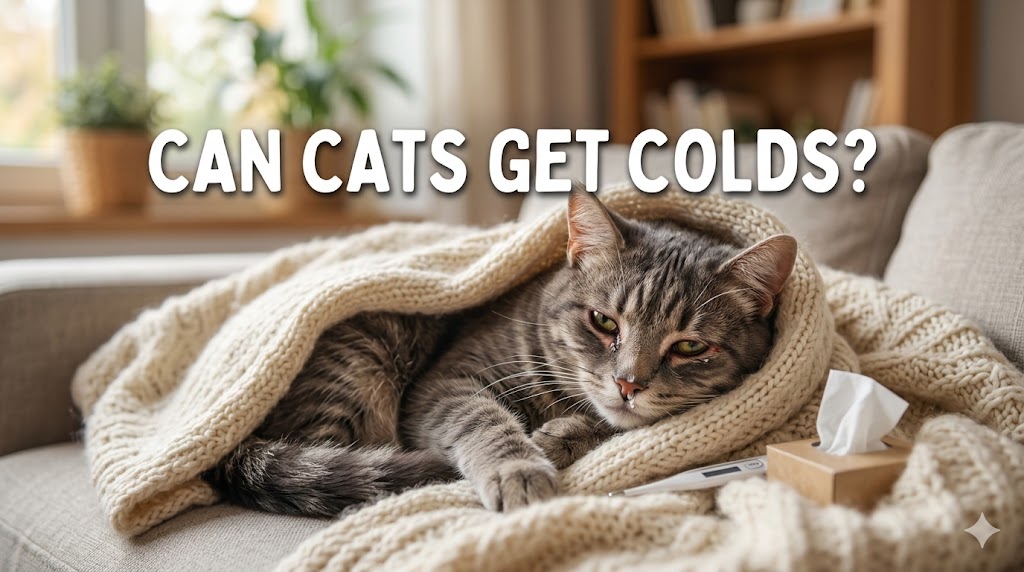
Most people worry about their cat when the animal begins to sneeze, cough, and exhibit other symptoms of being sick. Obviously, they wonder if their cats may suffer from the same virus that causes a common cold in humans. The truthful response is positive; however, cats do not suffer from human colds, which means they are prone to other types of conditions. To find out what illnesses your pet suffers from and how to help it feel better, you need to learn the basics.
The Concept of “Cat Cold”
In reality, there is no medical definition that describes a condition called “cat cold.” From a veterinarian’s point of view, it is simply an umbrella term for several upper respiratory infections of felines that produce typical symptoms characteristic of a cold in people, including sneezing. Nevertheless, the pathogens responsible for these diseases are very specific. Consequently, one must understand how veterinarians view cold-like symptoms in cats to be prepared for them.
Viruses Known to Cause Feline Upper Respiratory Illnesses
The majority of colds in cats are caused by viruses, including feline herpesvirus and calicivirus. These types of viruses have a high level of transmissibility in cats, meaning they spread rapidly in places where cats gather. Moreover, these viruses can stay in the body of cats, and they may be activated when the cats are under stress. As such, these viruses are prevalent, which means they are widely studied in veterinary science.
Do Cats Get Sick from Humans’ Common Cold?
Another question that comes to mind about cat illnesses is whether humans’ common colds can make cats sick. It turns out that according to research, humans’ cold viruses do not infect cats. This means that there is no chance that your cat will get a common cold virus because it differs significantly from that of a cat. Nevertheless, cats can still contract illness from other sources.
Spread of Cat Colds
According to veterinarians, there are three main ways cat colds are transmitted. They include direct contact, airborne droplets, and contaminated objects. Sneezing from a sick cat can disperse the virus through tiny droplets. Furthermore, the use of common objects such as feeding dishes, blankets, and litter pans can be carriers. As these viruses can remain active for some time, regular cleaning is necessary. Hence, by quarantining cats that have been diagnosed with the disease and keeping the surrounding clean, the risk of spreading the virus can be minimized.
Cat Cold Symptoms
When a cat suffers from a cold, various symptoms are likely to be evident. These include sneezing, runny nose, teary eyes, and congestion. In addition, coughing, fever, and loss of appetite are among the common indications. Cats are known to use their sense of smell when eating. Therefore, any difficulty breathing will limit their ability to consume meals. Besides, lethargy and reduced activity are other possible indicators. Thus, recognizing these signs in a cat allows the owner to take appropriate action.
Comparison Between Mild and Severe Cat Cold Cases
There are different degrees of severity among cat colds. While milder forms can be easily treated and cured within a week, more severe conditions may require extra attention, especially concerning potential complications such as a secondary bacterial infection and pneumonia. Kittens, old cats, and those with a compromised immune system are particularly vulnerable to complications. Thus, it is vital to observe your pet carefully and distinguish between milder and more dangerous cases.
Professional Recommendations for Treatment
Veterinarians strongly advise providing supportive care to cats with common colds. This type of care requires keeping the cat warm and ensuring that it remains well-hydrated. In addition, the veterinarian can provide additional treatments to address other issues, such as secondary bacterial infections. Since antibiotics are ineffective against viruses, they should only be administered if absolutely necessary.
Home Care Tips for Cat Owners
Correct home care can help enhance your cat’s recovery process. A warm and draft-free environment is necessary for keeping your pet comfortable. Furthermore, the use of a humidifier alleviates nasal congestion. In case your cat has poor smelling ability, you should consider offering it wet food. Since hydration is vital, provide fresh water. Besides, nasal cleaning ensures that your cat breathes better. Consequently, home care tips play an integral role in helping the feline recover from illnesses.
Importance of Vaccinations in Prevention
One of the best methods of ensuring that your cat does not get sick is by vaccination. The core vaccines contain some viruses which affect the feline. These include feline herpesvirus and calicivirus. While vaccinations cannot prevent your cat from getting infected, they minimize the symptoms’ severity. Also, the vaccines make the recovery process fast and easy. Immunity wears out with time; therefore, booster vaccinations are recommended.
Stress and Effects on Immune System
The stress level of a cat greatly determines its chances of getting sick. The factors such as changes in the environment, schedule, or family structure might affect the immune system negatively. Moreover, stress can cause a resurgence of previously dormant viruses. This is why a stable and comfortable environment is highly important for cats. In addition, it is necessary to ensure that cats receive enough enrichment and interaction. Consequently, the management of stress will contribute not only to your cat’s mental health but also to its ability to resist infections.
Considerations When Treating Kittens
The developing immunity of kittens makes them especially vulnerable to respiratory illnesses. Furthermore, kittens are likely to get affected by the infection for a longer period of time and face more severe symptoms. Moreover, untreated infections might cause serious problems in the future. This means that early intervention is key when dealing with kittens’ infections. It is also important to ensure good nutrition and sufficient warmth during the treatment process.
The Long-Term Impact of Cat Colds
At times, cat colds may have long-term implications. In this regard, certain types of viruses can stay within the body system, leading to repeated outbreaks of the disease. At the same time, chronic problems associated with respiration might occur in extreme situations. As a result, a prolonged treatment period will be required. Finally, routine visits to the clinic help track your pet’s health status. As a result, you will learn about the possible long-term implications of this disease.
Cat Cold Myths and Misconceptions
A lot of myths are associated with cat colds that could lead to misunderstandings. For instance, one might believe that his or her cat cannot catch a cold. Also, some individuals think that it is possible to treat cats by using medications that were made for humans. However, these myths are far from the truth. Due to the fact that wrong information can harm your pet, it is necessary to use only credible sources.
Knowing When to Visit a Vet
It is vital to know when it is time to see a vet. Should your cat exhibit any symptoms that do not go away within a few days or even get worse, you should visit the vet as soon as possible. Other things that should raise concern include difficulties breathing, lack of appetite, or high temperature. Early diagnosis will help prevent complications, so be sure to listen to your instincts in this regard.
Preventive Measures for Multi-Cat Households
Multi-cat households have their unique challenges, especially concerning infections. In order to contain the disease, it is best to isolate an infected cat from other household cats. Apart from this, you can clean common areas and ensure proper hygiene practices. Because these diseases spread very quickly in such an environment, you need to take steps to ensure that the disease does not spread further.
Conclusion: Important Points for Pet Owners
Although cats may suffer from common cold, the disease is usually a result of infection with feline viruses, not human viruses. In addition to the fact that in many instances the illness is harmless and passes quickly, there is no doubt that neglecting its symptoms can lead to severe consequences. Hence, it becomes important for owners to be aware of how their pet gets ill and what should be done in order to help it recover.