Blog
How to Collect Urine Sample From Cat: Easy Methods Cat Experts

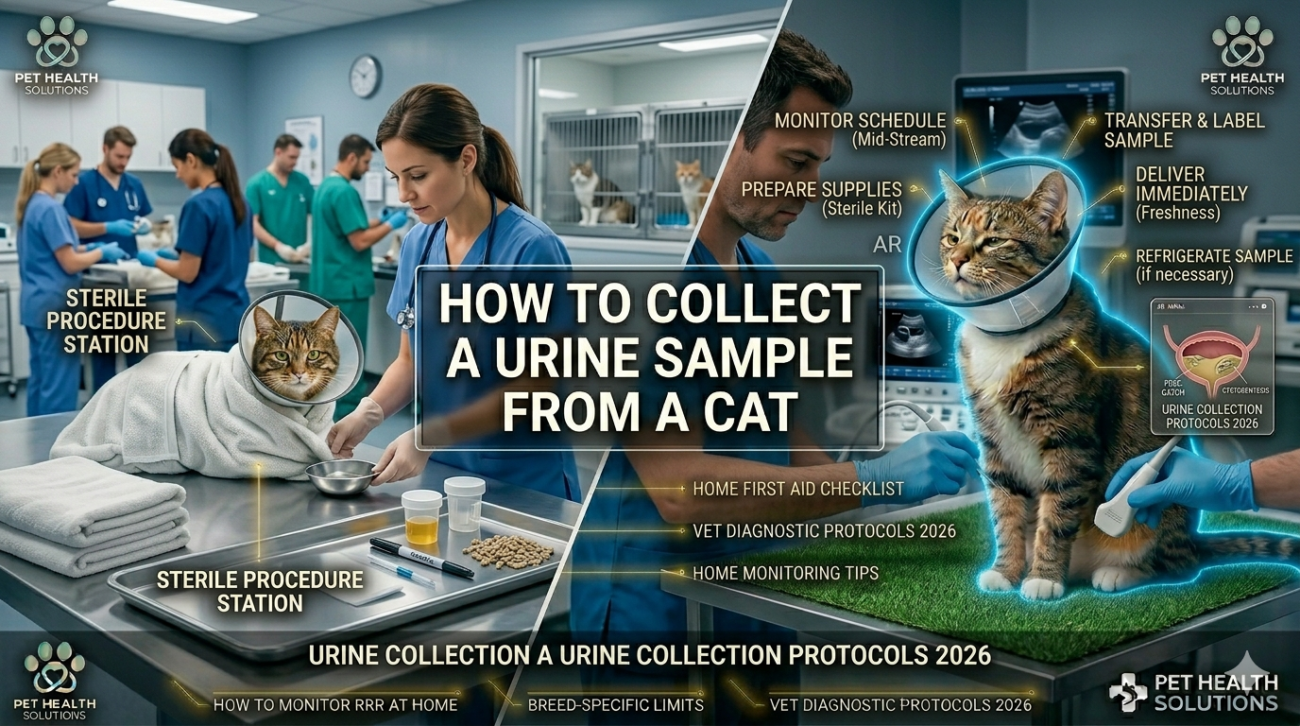
Most cat guardians are afraid of going to the veterinarian’s office to give urine. Cats are private pets and it may be difficult to initially collect a sample. But, knowing how to get urine sample from cat can help to make the process easier and less stressful. A urine sample correctly collected can aid the veterinarian detect urinary tract infections, kidney disease, diabetes, bladder disease and other health issues. Some owners can easily collect a sample at home with the proper techniques and preparation.
Why Veterinarians Request Urine Samples
Urine tests are useful in determining overall cat health. Urine samples are frequently used by veterinarians to help assess kidney function, hydration status, blood sugar abnormalities and urinary tract infections. Also, urine tests can reveal the presence of urine crystals, bacteria, and other substances that suggest medical problems. Many illnesses occur over time and urine testing will reveal a problem before symptoms become severe. Hence, it is important to get a representative and quality sample for early diagnosis and treatment planning.
Recognizing the value of correct collection
A contaminated sample may influence the results of the tests and cause a wrong diagnosis. As a result of this, the correct systems of collection are crucial. Mixed urine, dirt or cleaning chemicals can affect urinalysis results. Also, diagnostic value may be lost in samples stored at room temperature for prolonged periods of time. Owners provide veterinarians with accurate information by using recommended techniques in collections. That’s why testing is crucial for making sure that health concerns are detected early and the right treatment plan is put in place.
Signs Your Cat May Need a Urine Test
A veterinarian may want to have a urine sample analyzed for several reasons or symptoms. Urinary issues can be indicated by an increase in urination, blood in the urine, trouble urinating and inappropriate litter box habits. At the same time, the consumption of more water, loss of weight and sluggishness can point to a metabolic or kidney problem. Urine testing is useful in the diagnosis of many conditions as urine may have similar symptoms. Therefore, owners should carefully watch for behavioral and physical changes and should contact their veterinarian if they notice unusual symptoms.
At home, how to take a urine sample from a cat safely!
When possible, many vets will advise the owners to obtain samples themselves. Let’s learn to take urine samples from cats safely, to reduce stress and get them to cooperate. It takes a keen eye, a lot of patience and the right equipment. In addition, a calm environment can prevent anxiety which can discourage litter box usage. If you prepare for it, and know your cat’s normal habits, you can greatly improve your chances of getting useable samples without causing your cat any undue discomfort.
Plan ahead and get ready
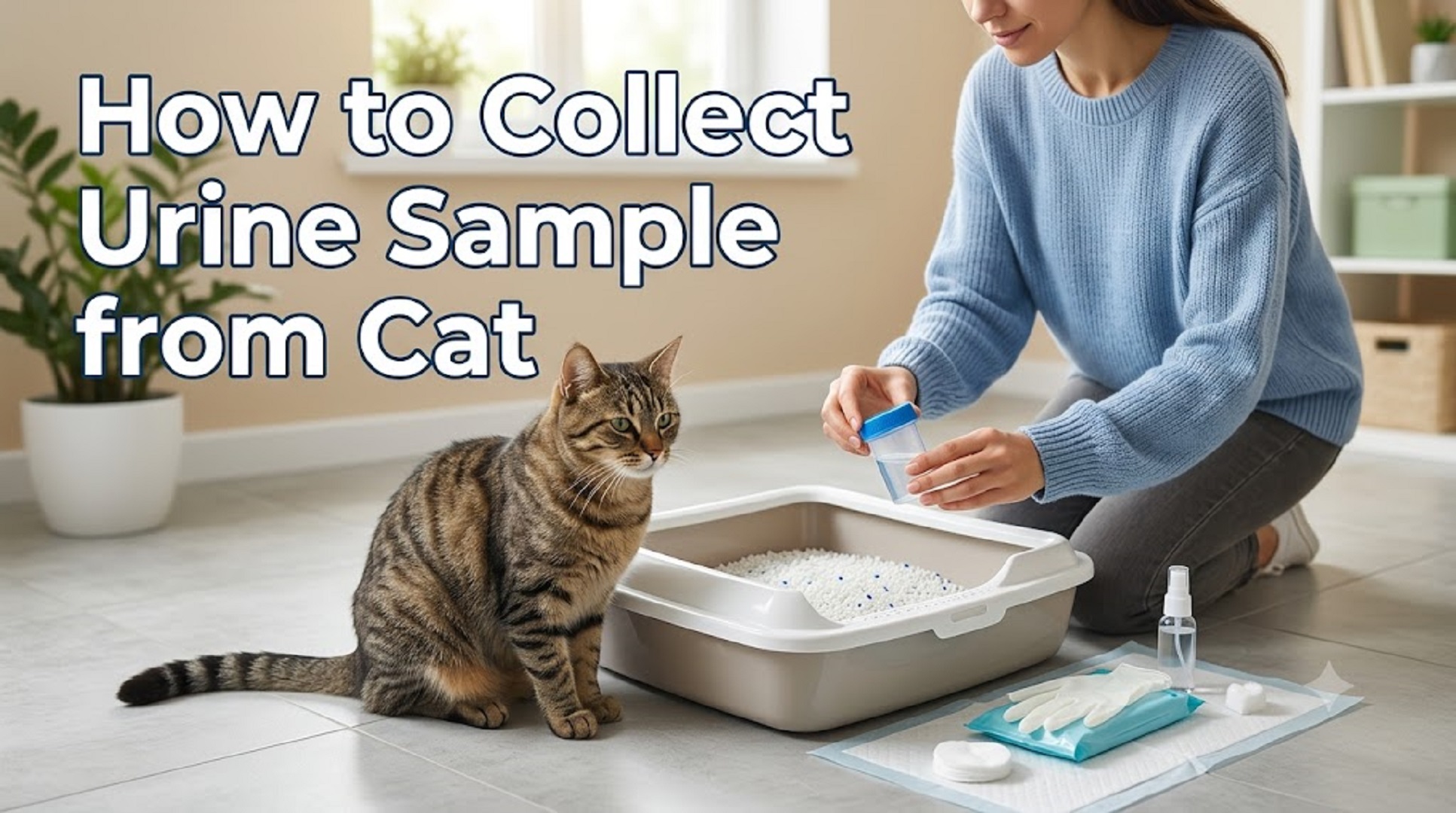
Collection is a lot smoother when it is well prepared. Before collecting, prepare all supplies required; sterile collection container, gloves, and clean syringe/dropper (if recommended). Then, clean the litter box thoroughly to collect the litter box contaminants. Also, find out the usual bathroom routine of your cat to anticipate when it might need to go to the bathroom. Everything prepared in advance helps to minimise stress and ensures that the material can be picked up immediately. Therefore, the sample quality and sample collection success can be improved when preparation is done.
Selecting the appropriate collection container
The sample container is a critical component in maintaining sample quality. Veterinarians can give sterile containers that are made just for the collection of urine. These containers can prevent contamination and provide accurate testing. Plus, they are tightly sealed, which prevents any leakage during travel. Do not use containers that have previously been used in the house as they may contain residues that will interfere with the laboratory results. Consequently, an appropriate sterile container will ensure the integrity of the sample and ensure an accurate diagnosis.
Non-Absorbent Litter Method
One of the more widely used collection techniques is to use non-absorbent materials instead of litter. These special products keep urine from absorbing into the product. Therefore the owners can easily use a syringe or dropper to take the liquid. Plus, most cats will be okay with non-absorbent litter for short periods. This is because this method causes less contamination, so many vets consider it to be the method for home collection. It continues to be one of the preferred choices for pet owners, so it still has some popularity.
Plastic Beads or Aquarium Gravel can be used
If a special litter that will not absorb water is not available, clean plastic beads or aquarium gravel can be used instead. A surface made of such materials may not be highly absorbent of urine. Also, a lot of cats are surprisingly well tolerated. All materials must be completely cleaned and free of chemicals before use. Also, keep an eye on your cat while it’s being done. Appropriate use of safe substitutes will allow the owner to obtain the samples successfully without compromising the quality of the samples for laboratory testing.
Empty Litter Box Collection Method
If there is no other place to urinate, some cats will do so in a completely empty litter box. This gives direct collection, without disturbance from litter materials. But all cats do not take to an empty box, as they like familiar textures. Thus, watch your cat’s comfort level before you use this technique. Also, retrieve the sample as soon as it is excreted. If effective, this is one of the most simple and clear ways to collect.
Collecting Urine Sample from Cat using a Ladle
Some cat owners use a long handled ladle or a shallow collection device to collect urine while the cat is using the litter box. This technique is time-consuming and laborious, but it can generate very pure samples. Rest in a hidden location, but not startling the cat. Also, ensure that the item used is well sanitized and only used for this purpose. Immediately place the urine collected in a sterile container. So, maybe this technique works best in the cooperative cat who has a regular toilet routine.
Collecting Midstream Samples
Midstream urine is preferred by veterinary professionals as less contamination by external surfaces. For a midstream sample, as the cat starts to urinate, place the collection tool in place. Then slowly collect a small bit of the urine stream without pausing the urine stream. Also, keep contact with the collection tool to the cat’s body to a minimum. This technique makes samples cleaner and increases the accuracy of the tests. As a result, it is recommended that midstream collection be performed whenever possible.
Collecting a sample at the best time
Sample quality is very dependent on timing. The laboratory information obtained from fresh urine is the most accurate. So many vets prefer to take the first morning urine sample as this is going to be more concentrated. Also, cats tend to go the bathroom at a specific time after eating, drinking or waking up. The knowledge of these patterns assist owners in predicting collections opportunities. Therefore, selecting the correct time can improve efficiency and alleviate the hassle that can be involved with sample acquisition.
Proper Storage of the Sample
The sample’s diagnostic value will be maintained when stored properly. Owners should bring urine to the veterinary clinic as soon as possible. However, if there is any time delay in transportation, temporary refrigeration may be acceptable. Also, samples must be kept in sterile containers to avoid contamination. Do not freeze the urine as it can change important characteristics. So, adhering to the storage instructions carefully will help to maintain accurate laboratory results and clinically useful information.
Errors to Avoid in Collection
There are a number of common problems that can impact sample quality. Urine that touches dirty surfaces and is not kept in sterile containers or allowed to sit in the urine collection container for too long may impact results. In addition, urine may be mixed with litter debris, which may interfere with testing. There are also owners who don’t properly label containers. Hence, it is important to pay attention to detail in the process. With these errors eliminated, owners can give veterinarians a specimen that is suitable for a correct diagnosis.
When Home Collection Doesn’t Work
Not all cats will allow home collection. Some cats don’t accept all types of litter boxes or when they change their habits. In such cases, veterinary help might be needed. Clinics have the ability to take samples with highly accurate and safe methods. Moreover, most contamination issues are eliminated when done professionally. So if owners are not keen on collecting at home, they should not be deterred. Veterinary teams regularly face difficult collection scenarios, and can offer you effective solutions.
Veterinary Collection Methods Explained
There are multiple ways of obtaining urine samples for veterinarians when needed. Free-catch collection is the collection of urines which are spontaneously evacuated. Retrieval of urine via the urinary tract is possible in a controlled way with the use of a catheter. Additionally, urine is directly collected from the bladder via cystocentesis with a sterile needle. It is a technique that will give the purest sample for diagnostic testing. Therefore, veterinarians choose the method for collecting the samples depending on the condition of the cat, the need for the diagnosis performed, and the overall health of the cat.
Checking Urinary Health at Home
It is important to monitor for urinary issues regularly. Owners need to observe litter box behaviour, urine output and behaviour changes. Also, such symptoms as straining, frequent urination or vocalizing during urination should be investigated right away. Others use a cat blood pressure monitor as part of a comprehensive care plan for an older or chronically sick cat. Hence, regular check-ups help in the early detection and treatment of urinary problems.
Working With Your Veterinary Clinic
Communication is key with your veterinarian when evaluating your pet. Veterinarians will be able to offer you a collection container, thorough instructions, and customized recommendations, contingent upon your cat’s actions. Also, cat veterinaries like cat clinic of iowa city can provide information for pet owners. Questions before collection will help clear up any confusion and increase success rate. As a result, coordination of the team of owner and vet results in improved outcomes and better diagnostic testing.
Experts’ tips that they swear by:
There are several practical recommendations that experienced cat owners and veterinary experts suggest. First, take your time and don’t rush things. Second, watch your cat but don’t stand by. Also, continue as normal as possible with minimal stress. Preparing supplies ahead of time and taking the sample immediately after urination also increases the chances of success. Thus, urine collection may be much easier with the help of experts, and will be less stressful for the owner and the cat.
How to Avoid Future Urinary issues
Although urine testing can be a tool to diagnose the problem, prevention is also crucial. By drinking more water, more urine will pass through the urinary tract, which will help prevent urinary tract stone formation. Furthermore, consuming balanced nutrition and keeping a healthy weight are part of a healthy lifestyle. Routine veterinary exams can help prevent problems from getting out of hand. So, the most effective way to prevent urinary diseases and long-term health complications is through the use of preventive care along with timely diagnostic testing.
Final Thoughts
At first the idea of collecting a urine sample from your cat can be daunting, but it is actually quite easy, once you are prepared and patient. High quality samples for accurate testing can be obtained by using proper collection methods, keeping the area clean, and following veterinary instructions. In addition, early diagnosis can be associated with better treatment results. From taking the sample yourself or visiting your vet, it’s important to know what happens next to keep your cat healthy and happy.