Blog
How To Collect A Urine Sample From A Cat

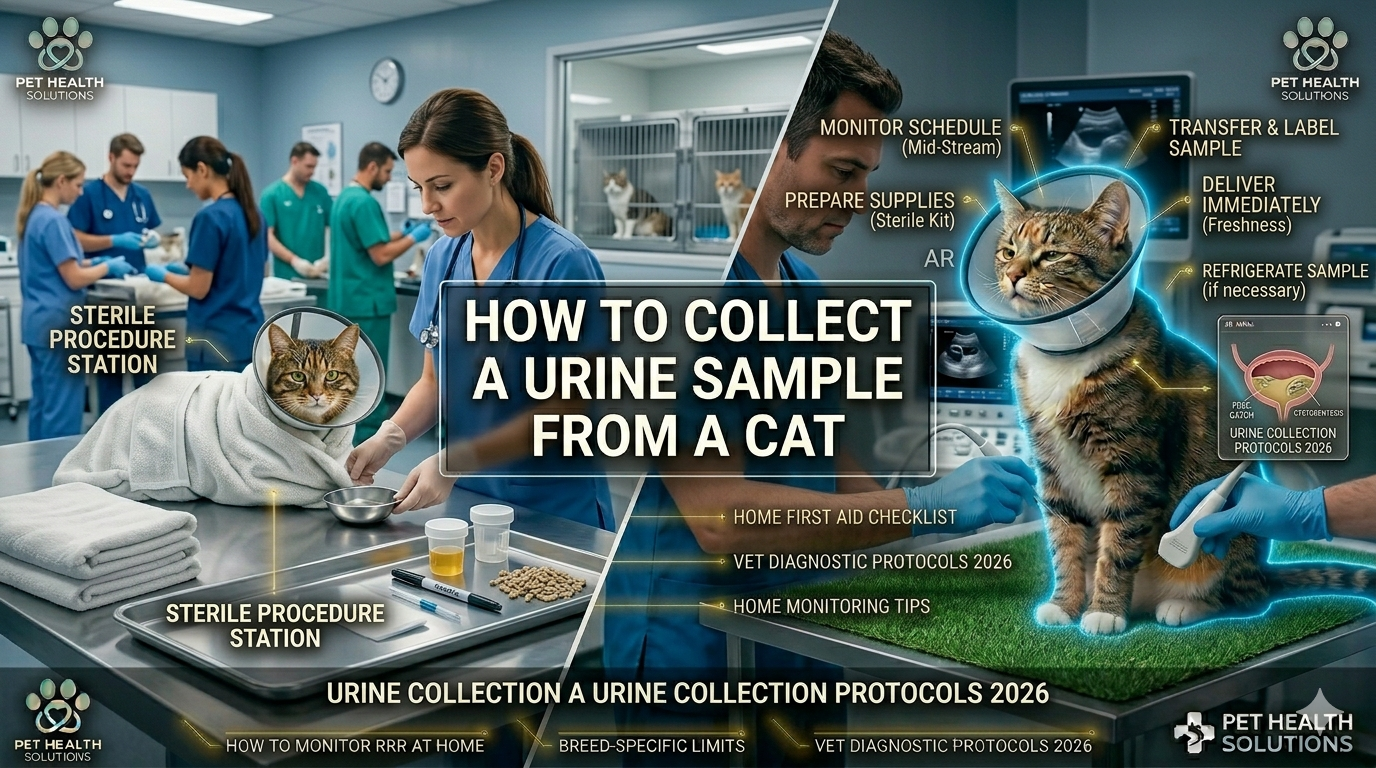
Collection of urine samples from cats at home aids veterinarians in diagnosing various diseases in their early stages. Testing of urine identifies kidney disease, UTIs, diabetes, and disorders of the bladder. Cats exhibit minimal signs of sickness; hence, a test can give crucial data. The vet analyzes the sample’s appearance and chemistry to evaluate the cat’s condition. You might be hesitant to collect the sample. Nevertheless, it is extremely beneficial and practical. Collection eliminates stress on your cat and saves you trips to the clinic for sample collection
Selecting an Appropriate Time
Right time for collecting a cat’s urine should be based on the animal showing its natural behaviors. Usually, cats urinate during early morning or after eating meals. As such, observing the cat’s normal routines is essential to selecting a time. Try not to select times when your cat may experience stress because it may fail to urinate at all. It is also important that the cat is in good health prior to urine collection. The cat must have previously used a clean litter box before trying collection.
Collecting Required Equipment
All materials required to collect your pet’s urine should be prepared beforehand. Among the items needed are a clean container, non-absorbent litter, latex gloves, and a dropper. Special urine collection kits may also be available in veterinary centers and used instead of other tools. Normal litter should be avoided because it easily absorbs urine, thereby complicating the whole process. A tool kit will give you an opportunity to take a neat sample of your pet’s urine. Preparing everything in advance will make the whole procedure easy for you.
Collection of Urine by Using Non-Absorbent Litter
For urine collection from cats at home, non-absorbent litter becomes extremely helpful. The normal litter needs to be replaced with some other substitutes. Plastic beads and aquarium gravel can be used as non-absorbent litter. This litter is very useful because it does not absorb the urine that is released, allowing easy collection of the sample. A cat continues to use such litter without any problem since it feels natural for the pet. Prior to using non-absorbent litter, one should keep the litter box dry and clean.
Getting Your Cat to Pass Urine
It is likely that you will be required to get your cat to pass urine while collecting. This can be done by making sure that your cat is calm and putting the litter box somewhere quiet where the cat can pass urine undisturbed and in peace since the cat loves its privacy. Also important to ensure that you do not force your cat since this may stress the cat and make the process difficult. Some cats like following routines; thus, maintaining their regular feeding schedule will help. You can watch quietly from afar.
Safe Collection of Urine Sample
Once your cat passes urine on the non-absorbent litter, it will be important to collect the sample immediately using a clean syringe, dropper, or spoon and put it in a sterile container.This is important not to come into contact with the litter pieces while collecting the specimen. This will guarantee proper testing of the samples. The right method for collection will be very important in ensuring that the samples remain usable for testing purposes.
Proper Storage of the Urine Sample
Sample must be stored properly once it has been collected. It is important to ensure that it is put in a dry and clean jar. Refrigeration of the sample will be necessary when one is unable to take it straight to the veterinarian within the shortest time possible. Freezing the sample should not be done since it may affect the structure of the components of the urine sample.
Contamination Prevention While Collecting
There are measures that you need to follow to prevent contamination during the collection of the urine from your cat. The dirt, particles from the litter or cleaning fluid can affect the accuracy of the test performed. In order to achieve that you should always use clean instruments and refrain from touching the inside part of the container. Important to make sure that the litter box is clean before placing it. It is evident that contamination will result in either an inaccurate diagnosis or misdiagnosis of the condition. It is essential to keep all the surfaces clean.
Alternative Procedure: Non-Absorbent Surface Collection
If the cat does not want to use the litter box, then you can employ another procedure known as the non-absorbent surface procedure. In this case, you need to place a clean plastic surface or a box in a small confined place. This way the cat will urinate by itself. You just need to watch out for signs of urination and collect the specimen. You must make sure that the surface is always clean and safe. Other methods assist you in collecting urine when normal techniques are not effective.
Clean-Catch Method
The clean-catch technique is a means of collecting urine by making the cat urinate naturally. It is essential to position the sterile container beneath the cat’s bladder at the appropriate time. This technique requires patience since cats are quick-moving. You need to be composed and cautious so that you don’t scare the cat. The clean-catch method is more efficient if you collect midstream urine. Avoid physical contact with the cat throughout the procedure. Despite being difficult, this technique yields good-quality urine.
When to Visit Your Vet
It is recommended that you visit your vet when you are unable to collect a urine sample from your feline companion at home. Some cats refuse to be collected and others have strange behavior during urination. Therefore, it is important that your veterinarian collects a sample for testing. Additionally, you should take your cat to the veterinarian if he or she exhibits any urinary tract problem such as straining, bloody urine, and frequent urination. This will ensure effective analysis.
Common Mistakes to Avoid
Some common mistakes you should avoid. You should never use regular cat litter since it absorbs all of the urine. Moreover, you should not delay submitting your sample since urine changes over time. Furthermore, you should avoid using dirty materials and unsterilized instruments to collect samples. Lastly, you should avoid forcing your cat as this makes them stressed. Knowing these errors will assist you in collecting your pet’s urine samples successfully. You can be sure that you will get accurate results from the test when paying close attention.
Importance of Tests
Tests using the cat’s urine can give important data regarding its health. Urine tests can help identify diseases like infections, kidneys disease, diabetes, and problems with the bladder. It is vital for you to realize that slight variations may mean serious conditions. These tests play a critical role in helping veterinarians to diagnose illnesses and decide on the appropriate treatment for them. As such, they depend on you for accurate results.
Making the Process Stress Free
You should strive to make the urine collection process stress free for your cat. Make sure that you do not cause any abrupt changes in the environment. You should keep your cat’s routine the same in order to reduce stress. This would make your cat comfortable during the entire procedure. Handling the cat gently and being patient is crucial to achieve success in collecting the urine sample. Stressed out cats tend to release less urine. Therefore, it is essential to make your cat comfortable during the entire process.
Conclusion on Urine Collection from Cats at Home
Urinary specimen collection from cats at home can prove to be difficult, but with adequate preparation, it is an easy task. It is imperative to utilize the right materials for the collection process and remain patient throughout. Handling your cat carefully will allow you to receive more accurate test results. Although some cats are cooperative enough, others require different techniques to collect their urine. With time and experience, it is possible to collect a urine sample successfully and help your pet receive adequate care.