Blog
Cat Split Nail: A Cat Owner’s Complete Guide

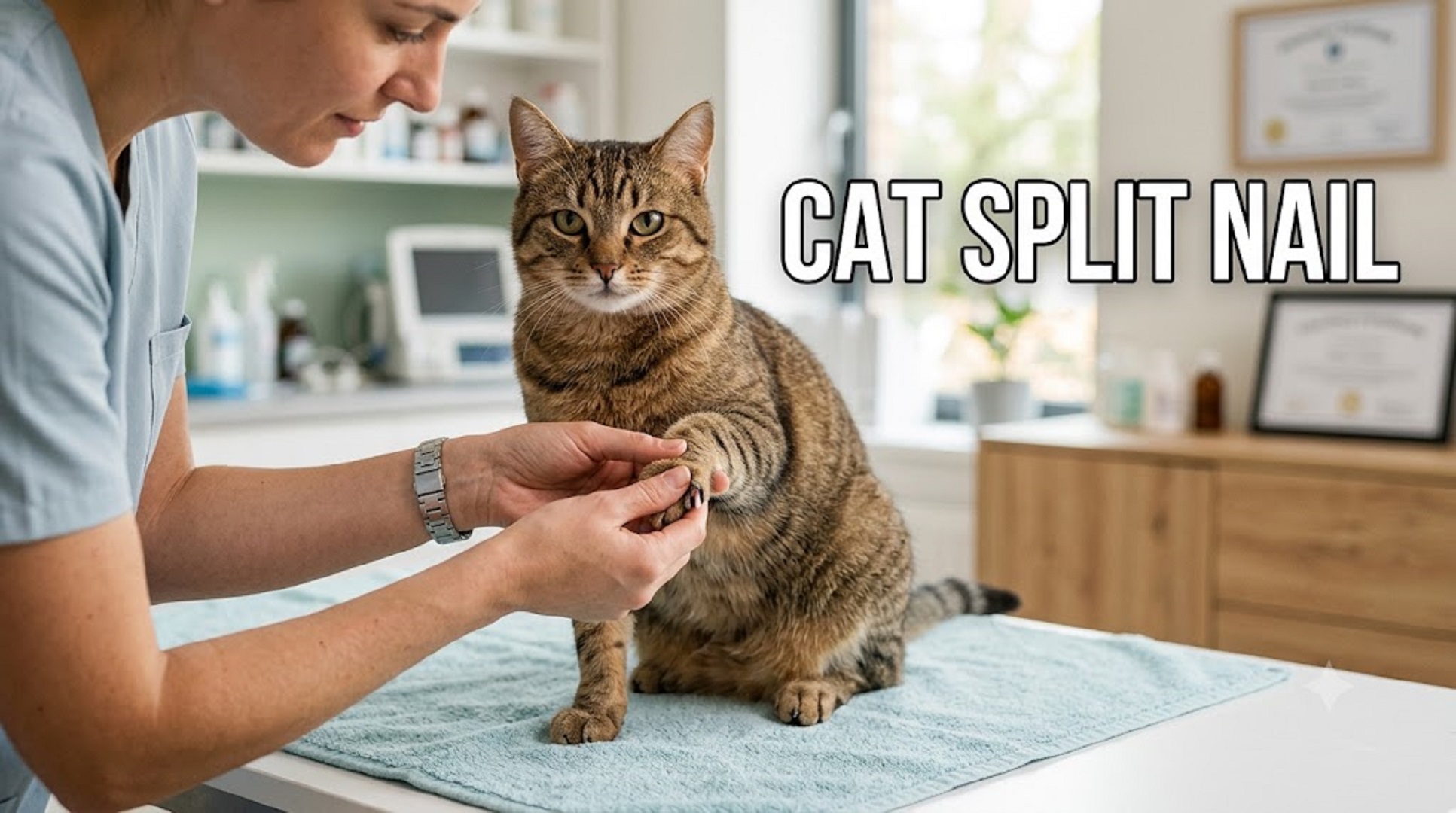
The sight of a cat’s split nail will definitely be worrisome for many pet lovers. Claw use by cats is very important for various activities like climbing, hunting, self-defense, and balancing among others. As such, any damage to the claws including splitting can be painful and may even result in infections. It is good to know that a claw injury in cats can be easily healed provided that it is attended to soon enough.
Cats Claws
There is an interesting structure of cats’ claws. They are made of layers and are constantly growing and shedding their outer layers. What is more, a healthy claw must always be firm and sharp. Since cats use their claws in different activities every day, it is normal to get some claw injuries from time to time.
What Is a Split Nail?
Split nail is defined as a crack, separation or break of some parts of a claw. In some cases, it affects only the outer layer of the claw. Furthermore, the splitting of claws can be acute as a result of trauma or chronic caused by diseases. The extent of damage is rather variable, and that is why it is crucial to diagnose the injury properly. This will allow the owner to choose adequate care for their cat.
Cat Split Nail: Why It Happens
There are several reasons why a cat split nail may occur. First of all, trauma is the main cause, since claws can get stuck in the carpet or furniture. Moreover, there are certain diseases and physiological conditions that may cause brittle nails. In order to avoid such cases in the future, it is important to find out the root of the problem.
Normal Nail Loss VS Nail Injuries
The process of healthy nail loss is frequently confused with a split nail by many cat owners. The natural process of growing nails includes the loss of the external layers. Besides, they come off in claw-shaped fragments that look like empty shells. Nevertheless, an injured nail always causes pain, bleedings, and deformity. Therefore, it is important to distinguish between the normal and injured nails to be sure that the owner does not have to worry.
Causes of Split Nails
There are many common reasons why cats have claw injuries. The active cats usually get caught in the nails during the jumping and climbing. Moreover, the injuries of the nails occur during playing and falling down, as well as when cats fight with other animals. The long nails suffer from splitting more often since they are easier to catch somewhere.
Injury through Trauma
Physical trauma continues to be among the main causes of injuries to claws. An affected claw can get twisted, broken, and torn when it gets stuck while moving. Besides, trauma can affect the soft tissues found under the nails. Since trauma is unexpected, the pet owner may observe symptoms like limping, bleeding, or licking of the affected part after the incident.
Splitting and Other Issues Caused by Overgrown Nails
Overgrown nails pose several health issues. With increasing growth of the claws, it is highly probable that the nails will get stuck and break as a result of the strain. Moreover, with overgrown nails, there is high probability of the claws curving towards the paw of the animal and causing irritation.
Nutritional Factors Affecting Claws’ Condition
Diet affects the structure and health of cats’ claws. Unbalanced diet with no required nutritional elements can cause fragile claws that break easier. Besides, in general poor health condition can negatively affect claw formation and strength. Proper nutrition helps to have healthy claws along with healthy skin and fur of your pet. Thus, paying attention to the diet of your cat is vital for her claws.
Symptoms of Cat Split Nail You Need to Know About
Early recognition of the symptoms is key to effective treatment. Some common symptoms include limping, blood, cracked claws, swollen paws, and excessive licking. Moreover, some cats are unwilling to move and scratch. Since cats do not show any pain, some behavioral changes can serve as symptoms. Therefore, it is very important to pay attention to these factors.
Indicators of Pain and Discomfort
Cats may react to pain in different ways. Some become shy and withdraw from the interactions, whereas some start producing sounds more often. Also, the animal that feels pain may be protective of its paw and not let it be touched. Due to the nature of the injury, claw splitting may cause significant discomfort. Hence, behavioral symptoms can help the owner determine how severe the situation is.
Bleeding in Case of Split Nail
As a result of claw splitting, the damage may occur to the quick – the sensitive part of the claw that contains blood vessels and nerves. Besides, sometimes even if the injury is small, the bleeding may be intense. Putting pressure on the wound using a clean cloth may help to stop the bleeding for a while. However, prolonged bleeding must be checked by professionals.
Mobility Problems from Cat Split Nail
There will be cases where mobility is affected after a cat splits its nail since walking with the injured paw can lead to pain. There will be some limping in the cat if there is an involvement of deep tissues within the area. Moreover, owners seeking solutions regarding their mobility problems would be able to find solutions in limping articles regarding cats’ front paw problems since claws can be associated with limping behavior.
Risk of Infection
The injury to the cat’s nails can provide openings for bacteria to infect the surrounding areas. As such, there will be cases where infections develop in the wounded area since bacteria will have access to it. Symptoms of infections will be characterized by redness, swelling, warm feeling, pus, and bad smell. In addition, infected paws are painful to cats.
How Do Veterinarians Make a Diagnosis of Claw Damage?
In general, veterinarians perform a physical examination of the cat. They examine the damaged claw, neighboring areas, and even the entire paw. Moreover, they can look for signs of an infection, fracture, or disease that may affect the nails. In some cases, diagnostic imaging is required. Thus, professional examination will allow diagnosing the problem properly and developing the right treatment approach.
First Aid for a Split Cat Nail
Owners can usually try to do some first aid for their pet. At first, one needs to stay calm and examine the injured claw carefully. Furthermore, minor injuries can be cleaned with veterinary-approved solutions, while harsh substances must be avoided. When there is any bleeding, one can apply gentle pressure in order to stop it. However, it is necessary not to remove any fragments of the damaged nail, since it can aggravate the situation.
Options for Veterinary Care
The course of treatment is determined by the extent of injury. Minor injuries can be treated by just cleaning and observing, while severe cases might need trimming off the affected area under professional care. Moreover, in some cases, the veterinarian might administer pain relief medicine, antibiotics, or even anti-inflammatories. With all injuries being different, personalized treatment is more effective. Thus, professional veterinary care greatly speeds up the process.
Recovery Process
With proper treatment, most nail injuries heal well. The healing process takes time and varies according to the degree of damage done and possible complications. Besides, healthy cats heal slowly within several weeks. During recovery, the limitation of physical activity helps prevent further injury to the claw.
Cat Wound Healing Process
Learning the process of healing of wounds in cats could be helpful for concerned owners since nail wounds heal according to similar biological mechanisms. The first stage is inflammation that plays the role of protection for damaged tissues. New tissue formation and remodeling are other phases of the wound healing process that ensure good results of the treatment in the future.
Home Care During Wound Healing Process
Home care is essential in the case since it significantly contributes to the process of recovery. It is important to keep the cat’s litter box clean and pay attention to the injured paw each day. Moreover, it is necessary not to allow the cat to lick the affected area.
How to Avoid Future Claw Problems
It is always better to prevent than treat. Nail clipping, good diet, and provision of proper surfaces for scratching help preserve the condition of claws. In addition, safe indoor environment decreases the chances of getting their claws caught somewhere. As most injuries happen while carrying out everyday activities, a small effort helps considerably decrease risks. Therefore, regular nail care is an important part of caring about one’s pet.
The Role of Scratching Posts
There are several purposes that scratching fulfills. They help shed old nail sheaths, exercise muscle groups and allow to mark the territory. In addition, provision of proper surfaces decreases chances of getting their claws caught on something inappropriate. Therefore, purchase of high-quality scratching post helps both maintain good claws condition and protect furniture from damage.
Myths Surrounding Split Nails
There are several misunderstandings that people have regarding the feline nail injuries. Some owners think that all the split nails will heal automatically without any treatment, whereas others feel that each and every nail injury is an emergency one. But actually, results will depend upon the level of severity of the injury. Moreover, sometimes aggressive treatment done at home can further complicate the issue. Hence, knowledge of facts instead of myths makes health care easier for the pet owners.
When Emergency Care Is Needed
There are some conditions when the animal needs an urgent medical care. Severe bleeding, extreme swelling, any sign of infection, or complete nail avulsion cannot be overlooked by the pet owners. Furthermore, animals suffering from pain and not willing to walk on injured foot should also be considered as emergency cases.
Long-Term Claw Health Prevention Techniques
Good claw health depends on constant efforts and cannot be achieved via occasional activities. Regular examinations and proper nutrition will help avoid claw health issues, whereas regular vet visits give the chance to discuss any possible issues related to claw health. Therefore, prevention becomes the key factor that allows avoiding injuries and ensures the good general state of cats at all stages of development.
Conclusion
Splitting of a cat’s nail is not dangerous itself, although it may result in pain in some cases. However, it is possible to deal with nail injuries easily without any complications. Thus, with knowing the causes of nail splitting, identifying symptoms, and providing appropriate actions, one can save cats from suffering.