Blog
Cat Recovery After Spaying: Vet-Approved Treatments and Tips

Recovery after cat spaying is a crucial part of being a responsible cat owner as it will help you to guarantee that your kitty recovers easily. Although spaying is a very popular and safe surgery among all veterinary procedures, appropriate care after surgery is highly important. It may be rather challenging for cat owners to see any changes in the behavior, mood, or food intake habits of their felines after returning home from the hospital. Nevertheless, having some information about the process will ease recovery.
What Is Cat Spaying?
Cat spaying is actually a surgery during which veterinarians remove the ovaries and uterus of the female feline patient. The surgery is performed using general anesthesia and will be necessary in order to ensure that your kitty won’t get pregnant anymore and develop any reproductive diseases. Moreover, spaying will help to minimize the risk of unwanted mating behaviors and problems. This is quite a common procedure that should not cause any serious difficulties to felines.
The Importance of Post-Surgical Recovery
Owners usually think that the procedure is the most crucial aspect of the whole operation. Yet, recovery plays a pivotal role in ensuring the success of the procedure and the health status of cats in general. Post-surgery supervision and medication administration can minimize possible complications. Therefore, by observing post-surgical recovery rules, the likelihood of experiencing negative results and having complications will be greatly reduced.
Post-Surgical Recovery – Early Stage
Immediately after the procedure, cats will be watched and monitored until the anesthesia starts to wear off. After returning home, cats may become lethargic, disoriented, and less active than before. Besides, some cats might have appetite problems. These symptoms are typical after undergoing an operation and normally pass within a day.
Cat Recovery After Spaying Within the First 24 Hours
The first day of cat recovery after spaying is considered the most crucial phase during which a cat will require close monitoring. In general, cats can experience mild drowsiness, loss of appetite, and lethargy from remaining under the effects of the anesthesia. Furthermore, some cats might want to be alone and in a quiet spot for rest. Owners need to provide their pets with a quiet, clean space, enough water, and comfort during this time.
Dealing with Side Effects Caused by Anesthesia
Side effects of anesthesia include poor coordination, low appetite, and lethargic behavior because of which cats can seem unsteady on their feet and have low interest in eating. Fortunately, the effects should wear off within a few days. To help them, owners must keep cats in quiet spaces as much as possible, away from stairs or furniture.
Establishing a Comfy Recovery Area
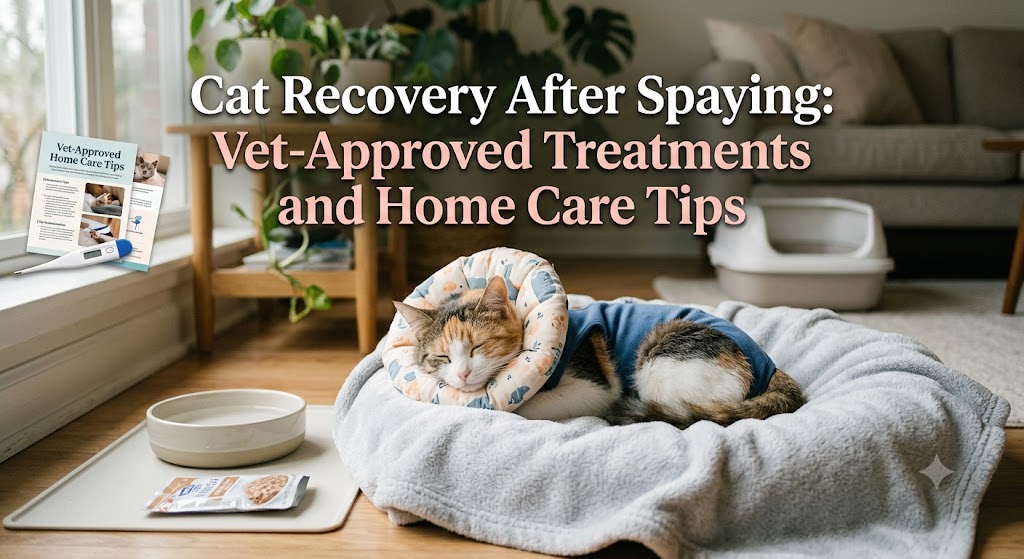
Designating a special recovery area helps heal and reduces unnecessary mobility. An ideal recovery place is quiet, warm, and devoid of noise from other activities in the house. Another important feature of a comfortable recovery zone is soft bedding. Since overactivity stresses healing tissues, limiting the cat’s mobility to a confined space often works effectively. This is why many vets recommend confining the cat to a small space during the first phase of recovery.
Feeding Your Cat Post-Operation
Your pet might experience a reduced appetite following surgery. There are cases where cats eat small quantities soon after coming home; however, in some cases, they wait until the next day. Nausea resulting from anesthesia is another factor that may impact the cat’s feeding behavior. Providing small bits of favorite food is often recommended. Therefore, owners should never force feed while providing plenty of fresh water to drink.
Importance of Hydration
Hydration is very important for a speedy recovery. Fresh water will help promote circulation, drug processing, and healing. Moreover, hydration will reduce risks like constipation and fatigue. The owner should track the cat’s drinking patterns and prompt her to drink water when necessary. As a result, checking for hydration levels is another important step in a feline’s recovery process, especially during the first days following surgery.
Cat’s Recovery After Spaying and Incision Observation
Incision observation is one of the main steps of feline recovery after spaying. An owner needs to observe the incision area on a daily basis, paying attention to any redness, swelling, drainage, and any other changes. Daily comparison of the incision’s state is an effective way to spot possible problems at an early stage.
Appearance of a Normal Incision
A normal incision typically presents itself as being clean, dry, and slightly pink in coloration. In addition, a mild swelling may be expected immediately after surgery, but the situation is expected to get better as time progresses. Other than that, the development of minor bruises in some cases is considered a normal process. Therefore, having an idea of what a normal incision looks like plays an instrumental role in enabling owners to identify when to seek veterinary intervention.
Prevention of Licking and Chewing
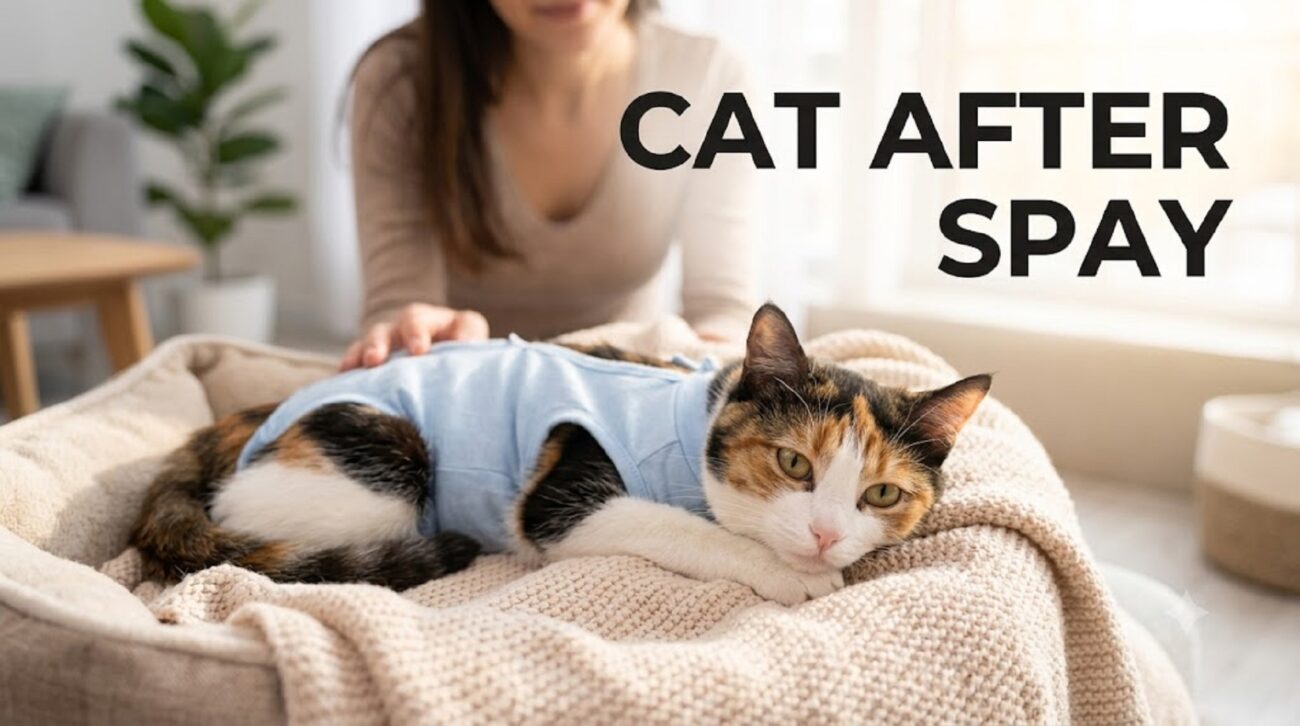
It has been observed that most cats have a tendency to lick surgical wounds, a phenomenon that affects healing adversely. Not only does licking introduce bacteria into the wound, but it also makes it easier for the wound to become infected. In addition, chewing the wound has the potential to damage stitches and undo the wound. For this reason, protective clothing has been recommended.
Restriction of Physical Activities
Physical activity will help reduce the risk of stressing the healing tissues. Such activities as jumping, climbing, running, and rough games might cause stress at the surgery site and complicate the healing process. Moreover, physical exertion is likely to result in inflammation and pain. For this reason, the owner needs to promote rest by limiting the cat’s access to elevated surfaces and engaging it in physical activities.
Pain Management and Comfort
Contemporary veterinary science focuses on providing adequate pain relief after the surgery. Usually, a veterinarian prescribes specific painkillers for cats. Also, appropriate pain management makes the pet comfortable, stimulates appetite, and promotes healing. The owner is recommended to follow the instructions regarding the administration of the prescribed medication without resorting to human medication.
Frequent Fears of Cat Post-Spay Recovery
When their cats undergo post-spay recovery, pet owners usually find themselves wondering about certain aspects of their recovery process. Temporary fatigue, decreased eating, slight swelling, and excessive sleepiness can all occur when your pet is healing successfully. Moreover, there are cats that are extra affectionate, whereas other cats will withdraw themselves. It is crucial for you to know these differences to avoid unnecessary anxiety. Nevertheless, any ongoing issues need to be addressed with the help of your veterinary doctor.
Get to Know All About Cat Post-Spay Recovery
If you would like to learn more about the signs of healthy post-spay recovery, we highly recommend you to learn about what is to be expected from your cat. Knowing recovery periods, healing stages, and behavioral changes will surely help you form realistic expectations about what will happen next with your cat.
Red Flags for Seeking Medical Help
Complications are rare, but some red flags require prompt attention. Heavy bleeding, extreme swelling, repeated vomiting, trouble breathing, lack of appetite, or unusual sluggishness are among those that should not be overlooked. Discharge from the surgical wound site may also mean that infection has taken place. Early recognition of such red flags ensures timely medical assistance and avoids any worsening of the situation.
Preventing Infections Post-Surgery
Infections are rather rare after surgery if proper precautions are taken. Infections usually occur when the wound gets contaminated or handled too roughly by the animal, which allows harmful bacteria to enter the wound site. Poor hygiene can also contribute to infections. Therefore, maintaining proper hygiene in the recovery area is an effective method of preventing infections.
Learning About Your Cat’s Spaying Incision
In addition to recognizing signs of infection or problems with your cat’s incision, you should also learn about what your cat’s spaying incision is supposed to look like at each stage of the healing process. Being able to recognize when things aren’t progressing as expected will enable quicker diagnosis. Education plays an important part in the healing process.
Healing Process: First Week Post-Spaying Surgery
The majority of cats start regaining their energy and eating normally within the first week following surgery. The swelling around the incision also tends to diminish and healing continues at a steady pace. Restrictions on activity must still be maintained as well as close monitoring of the incision area. As complications often occur during the first week, close monitoring is critical.
Behavioral Changes Following Surgery
Cats will sometimes experience behavioral changes temporarily after having had a surgery. They may exhibit increased clinginess, be quieter than normal, and have little interest in playing. Moreover, stress due to hospitalization may affect their behavior for several days. Thankfully, such behavioral changes will usually pass naturally during the recovery period.
Benefits of Spaying in the Long Run
While recovery is difficult and takes time, the benefits that result from spaying your cat in the long run are quite high. Not only does spaying eliminate heat cycles, avoid unwanted pregnancies, and prevent certain reproductive diseases, but it also contributes to the control of animal populations and makes for harmonious relationships in the household
Conclusion
The post-operative recovery period of cats following spaying surgery is normally a fairly uncomplicated one when proper attention and monitoring are done. The more the owner knows about the process involved, the less likely he will be anxious and the faster he will spot any complications if there should be any. All it takes is careful monitoring of the incision, ensuring the cat does not engage in vigorous activity, proper hydration, and effective pain management.