Blog
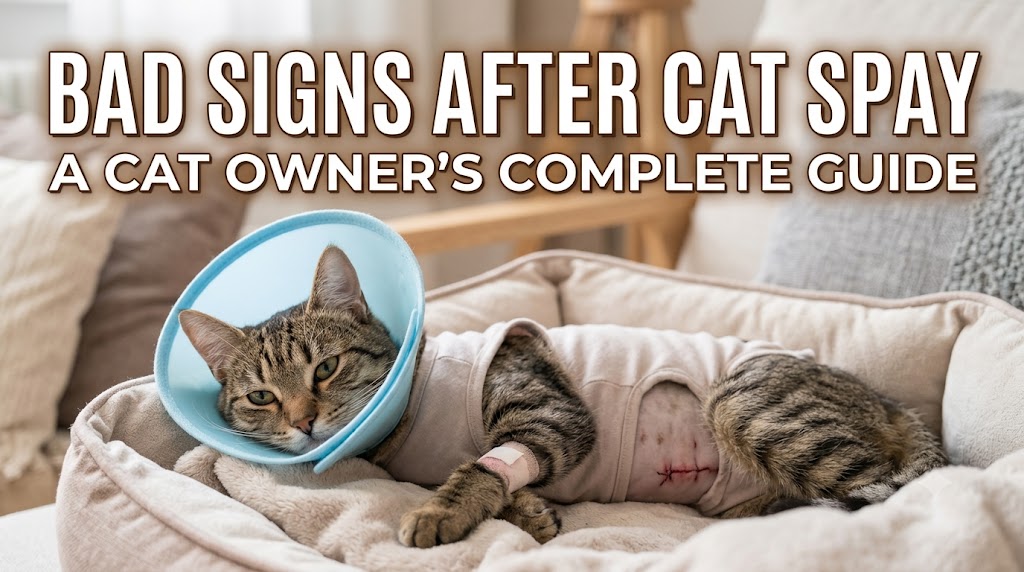
Bad Signs After Cat Spay: A Cat Owner’s Complete Guide

Spaying is one of the most popular and useful operations that are performed on cats. The benefits include the prevention of unwanted kittens, a reduction in reproductive disease risks, and even a longer lifespan. Unfortunately, not all owners know how to properly take care of their pet after surgery, which causes fear and stress during recovery. To help owners deal with this issue, it is necessary to understand what bad symptoms after spaying in a cat may appear. This guide will explain everything you need to know about the process.
Understanding the Spaying Procedure in Cats
To understand the possible symptoms of a complication, it is necessary to understand what occurs during a spaying operation. During the procedure, a surgeon removes the cat’s ovaries and uterus, if needed, while the cat is anesthetized. It should be noted that despite being a standard and common procedure, spaying is a major surgery, meaning the cat will require proper care after the operation. As such, some signs of discomfort are inevitable.
What Can Be Expected from Cats Following a Spaying Procedure?
Several signs after the surgery are absolutely normal. The felines may experience fatigue and reduced activity for the first twenty-four hours after being under anesthesia. Also, loss of appetite may be expected and the animal might seek isolation in quite places. In addition, inflammation can be noted around the surgical wound. Thus, owners shouldn’t worry about their pets exhibiting such behavior. Usually, well animals recover and improve their condition within several days after the operation.
Why Is It Important to Watch Your Cat’s Post-Operative Condition?
It is vital for several reasons. Firstly, although cats recover without any complications, infections, dehisced wounds, and side effects of medication may sometimes occur. Secondly, cats possess an ability to mask their pain that makes observations even more essential. Paying attention to your pet’s condition and looking out for any changes can help to avoid the development of potentially dangerous situations.
Signs Your Cat Is Not Healing Well After Spaying
It is important for cat owners to recognize signs that your cat may not heal well after being spayed. In many cases, certain symptoms will show that recovery is not going well, and prompt action must be taken. This includes extreme swelling, excessive bleeding and/or discharge, constant lethargy, vomiting, fever, difficulty breathing, and lack of appetite. While some discomfort is normal, ignoring any other changes could become fatal to your pet.
Lethargy That Does Not Improve within Twenty-Four to Forty-Eight Hours Post-Surgery
It is normal for a cat to feel exhausted from surgery because of the use of anesthesia. However, lethargy that lasts more than twenty-four to forty-eight hours post-surgery should raise a red flag. If your pet refuses to engage in conversation and play, and does not seem to want to move, then you need to have him checked by a vet. This may be because he is experiencing a lot of pain.
Failure to Eat or Drink
Decreased appetite after surgical procedures is common temporarily. But if the cat does not have any interest in food or drinking after 24 hours, then there is reason for concern. Nutrition and hydration play a significant role in proper healing. In addition, appetite loss can be a sign of pain, discomfort, and some other serious diseases. That is why such symptoms require a quick consultation with a veterinarian.
Vomiting and Nausea
Sometimes mild vomiting is observed during recovery. But it can’t be a common side effect. On the contrary, it can be associated with adverse reactions to medication, inflammation of digestive organs, surgical procedures, or some other problems. Also, it may be accompanied by decreased activity and lack of appetite. That is why owners need to keep track of the occurrence of nausea.
Severe Swelling Around the Surgical Site
While mild swelling around the incision area is possible due to natural healing processes, severe swelling that keeps growing usually means there is either inflammation or infection present. Furthermore, if the swelling comes together with symptoms such as redness, warmth, or discharge, these signs should not be neglected. Daily monitoring of changes in the incision can help track any issues early on. Comparing pictures taken during recovery can also prove helpful.
Symptoms After a Cat Spaying Procedure Associated with the Incision
There are several symptoms that appear after cat spay surgery that have to do with the incision itself. This is because it is a site where the recovery process takes place, and therefore abnormal conditions there are the first symptoms of potential problems. The area needs to be examined every day by the owner. While some degree of redness and swelling is expected, any increase in these symptoms, presence of discharge or smell, or wound separation requires an examination by a veterinarian.
Appearance of a Healthy Surgical Cut
A proper surgical cut is usually free from any signs of infection; it is clean, dry, and a little pink in color. It may swell within the first days after surgery; however, any excessive swelling is expected to fade gradually over time. Moreover, there must be no gap between the skin edges around the surgical cut. It becomes much easier for owners to recognize signs of abnormality when they understand the appearance of a normal surgical cut.
Indications of Spay Incision Cat Infection
The development of infection is always considered the most common complication among cats that underwent surgery. Signs like swelling, redness, heat, pain, and discharge may indicate the presence of infection. Infection may also produce an offensive odor in the affected wound as well as slow down the healing process. Cats that display signs of infections at their surgical sites require immediate veterinary attention.
Drainage from the Wound
There is sometimes drainage of a small amount of clear fluid during wound healing. However, drainage of thick fluid that looks yellow, green, contains blood, or emits an unpleasant smell is not normal. Such fluid usually indicates infection and irritation of the tissue. In addition, there is usually an increased drainage in combination with inflammation and redness. Thus, pet owners must pay careful attention to the draining fluid.
Incision Gap or Separation
If the incision starts opening, then it is urgent to seek professional help as soon as possible. The opening can be caused by different reasons, such as vigorous activity, licking, wound infection, or trauma. Due to the opening of the wound, the underlying structures will be prone to infection. Any opening needs medical attention because it may become bigger quickly.
Observation of the Cat Spay Incision Site
To understand proper wound healing, it is crucial to know what a healthy cat spay incision looks like. For post-surgical monitoring, pet owners need to regularly check their pet’s incision site in good lighting conditions on a daily basis. In case of any changes such as inflammation, irritation, swelling, or discharge, it will be easier to detect potential issues. This also contributes to determining that healing is progressing normally.
Excessive Grooming and Biting
As cats tend to lick themselves, this behavior can become harmful to the healing process. Frequent touching of the surgery spot by the cat may lead to bacterial introduction into the wound. Additionally, this can be detrimental to healing tissues. Chewing, on the other hand, can cause removal of sutures or even opening of the entire wound. Thus, protective equipment is recommended.
Bad Behavior Signs That Your Cat May Show Post Spaying Surgery
There are several bad signs that will show themselves by means of behavioral changes rather than any physical manifestations. When an animal feels pain, discomfort, or suffers from some complications, they tend to change their behavior and act in an abnormal way. Increased hiding, aggression, excessive meowing, restlessness, or complete withdrawal is a sign of discomfort that you need to pay attention to. Changes in personality must also be observed closely, as they are often not normal post-surgery signs.
Signs of Severe Pain
Post-surgery pain is inevitable; however, the level of pain must be kept under control. A cat suffering from extreme pain may adopt specific postures such as squatting or remaining immobile all day. Other behavioral changes indicating that a cat is experiencing considerable pain include excessive meowing and aggression towards anyone who tries to touch her. Also, rapid breathing and dilated pupils are other common signs.
Fever and Increased Body Temperature
A fever usually suggests infection or inflammation. Cats with increased body temperature tend to act lethargic, eat less, and look for cooler places to rest. Also, they may behave abnormally, such as being extra irritable or withdrawing from interactions. As fever is commonly associated with surgical complications, it is advisable to seek immediate veterinary consultation. Identifying the infection at the early stages enables quicker recovery from possible health complications. Overall observation will often give the first hint about fever.
Breathing Difficulties After Surgery
Any difficulty with breathing is always considered an emergency situation. Panting, rapid breathing, wheezing, open-mouth breathing should be taken as signs that you should contact your veterinarian immediately. Although rarely seen after surgery or anesthesia, breathing problems may arise due to other health problems in cats. For this reason, one should pay close attention to any changes in breathing pattern.
Dehydration During the Recovery Period
Proper hydration is vital during the recovery period because cats who do not drink water or vomit frequently tend to become dehydrated. The common symptoms include dry gums, sunken eyes, fatigue, and reduced elasticity of the skin. Besides, dehydration will cause weakness and slow down the process of recovery. Thus, owners are advised to watch out for dehydration symptoms and encourage their pets to drink more water.
Helping Your Pet Recover
Recovery can be ensured by providing an environment that is conducive for healing. Reducing physical activity helps avoid putting pressure on the healing body parts, while comfy bedding encourages the pet to rest. Moreover, taking the prescribed medication is another way of facilitating proper healing and reducing pain. Pet owners need to keep track of the appetite, hydration levels, behavioral changes, and the condition of the incision site on a daily basis.
Some Typical Reoccurring Issues with Healing for Pet Owners
There are many possible issues that could be caused by pet owner mistakes. Over-exerting pets through jumping, early removal of protection, forgetting medication, or dismissing warnings all may impede recovery process. Moreover, some owners don’t realize how important it is to check for incisions on a daily basis. In conclusion, knowing about possible mistakes may help avoid them in the future.
Reasons to See a Vet Immediately
Some issues definitely require prompt examination by a vet. They include excessive bleeding, incision opening up, difficulty breathing, excessive swelling, persistent vomiting, failure to eat completely, fever, and unusual lethargy. Furthermore, any symptom that deteriorates instead of improving needs to be looked at. In general, seeking advice from veterinarians helps avoid possible complications.
Long-Term Advantages of Spaying
While it is natural for recovery issues to create anxiety, spaying brings several long-term advantages for pets. Spaying eliminates chances for unplanned pregnancy, lowers risks of various health problems, and even helps in addressing behavioral issues. What is more, spayed cats typically live for longer periods of time than other felines. With knowledge about post-operative requirements and being aware of negative signs, owners help ensure proper recovery while reaping all the benefits of spaying.
Conclusion
While the majority of cats recover well from spaying, constant monitoring is highly recommended. Knowing bad signs in case of cat spaying helps owners notice any complications and take action to prevent further deterioration of health status. Excessive lethargy, swelling, bleeding, decreased appetite, high body temperature, and incision abnormalities indicate problems that require immediate medical intervention. With appropriate monitoring and care, cats can recover without any trouble and enjoy a range of benefits brought by spaying.