Blog
Why Would My Cat be Drooling? Expert Answers

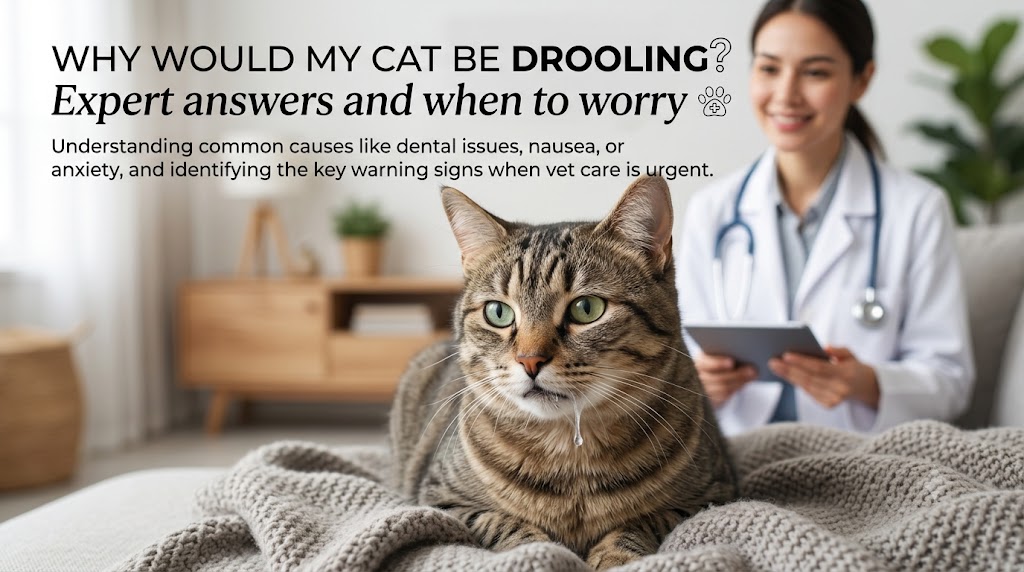
Drooling is an unexpected event in most people who own cats. As opposed to dogs, cats have a habit of maintaining saliva within the mouth, which means that whenever drooling happens, it tends to take cat owners by surprise. The question ‘Why is my cat drooling?’ has probably crossed your mind at one point in time. Although occasional drooling in felines can be perfectly harmless, consistent drooling is a sign that your pet might be suffering from a medical condition. Understanding causes, symptoms, and warning signs is vital for deciding whether you need to see your veterinarian or not.
Normal Salivation In Cats And Why It Occurs
Saliva performs crucial functions in cats. It aids digestion, makes eating easier, hydrates the mouth, and maintains proper oral hygiene. Normally, a cat produces and swallows saliva constantly, meaning that its presence isn’t noticeable. Every time your cat starts drooling profusely or soaking its chin with saliva, a change must occur. Recognizing whether or not the drooling is abnormal is the first thing you have to figure out.
Can Drooling be Normal?
Sometimes, drooling is not a problem at all. Certain cats drool when they are extremely relaxed and content. A cat that is purring comfortably on your lap, for instance, will dribble a bit of saliva. Plus, some cats salivate when they are being cuddled and/or kneading blankets. Drooling from enjoyment is not a bad sign, so long as it occurs from time to time. When drooling happens suddenly or on a regular basis, however, that’s a sign that you should pay attention to.
Why is my Cat All of a Sudden Drooling?
One of the biggest questions that many owners will ask is why is my cat drooling for no reason? A change recently in the mouth, digestive or general health often causes a sudden increase in drooling. Sudden surges in salivation can be caused by dental pain, mouth injuries, toxins, infections, nausea, and foreign bodies. Therefore, a sudden drooling should never be overlooked, particularly when other symptoms occur along with the drooling.
Dental disease is one of the top ten leading causes of death
Excessive drooling in cats continues to be one of the most frequent reasons for the condition. Gum inflammation, infection and tooth decay can be caused by the buildup of plaque and tartar. As the pain worsens, cats will have trouble swallowing and will drool. Also, dental disease often leads to oral problems such as bad breath, trouble chewing and decreased appetite. Normal dental maintenance can considerably lessen the risk of these issues occurring.
Gingivitis and inflamed gums
Gingivitis is the inflammation and irritation of the gums around the tooth due to bacterial build-up. Gums may become red, swollen and painful. As a result, cats may drool excessively as they find it more difficult to swallow. In addition, if gingivitis goes untreated it can turn into a more advanced periodontal disease. Early veterinary treatment can frequently prevent long-term damage and restore oral comfort.
Tooth Resorption in Cats
A large percentage of adult cats will develop tooth resorption and it can be very painful. In this state, sections of the tooth slowly deteriorate, revealing the sensitive nerve tissue. As a result, cats typically show signs of pain during eating and can drooly a lot. Unfortunately, tooth resorption often occurs without symptoms. So routine dental exams with the veterinarian should continue to be important for early detection of dental disease.
Oral Injuries and Trauma
Cats may injure their mouth by chewing on hard things, falling or involving in accidents. A sore mouth, bruises, or broken teeth can all cause excess saliva. A drooling problem can then suddenly occur after an injury. Also, cats with oral trauma may avoid eating, or putting their paws in their mouths. Assessing the injury is an important step in determining treatment which is done through veterinary assessment.
Foreign Objects Stuck in the Mouth
Sometimes small objects get caught between teeth and/or under tongue. They can become irritated and uncomfortable from parts of string, bones, grass and household stuff. As a result, excessive salivation frequently results, as the body tries to react. Besides, the affected cats may repeatedly paw around their mouths. If there is a suspicion of a foreign object, prompt veterinary care is recommended.
Why Would My Cat Be Drooling While Eating?
Some owners are particular about drooling at feeding times and wonder “why is my cat drooling when my food is in his sight?” Often worsens underlying dental disease, oral ulcers and mouth injuries. Also, when there are oral health issues, chewing can cause pain. Therefore, if drooling is frequently accompanied by eating, it may need to be investigated further to examine oral structures.
Mouth Ulcers/Oral Infections:
Mouth ulcers can happen from infections, immune problems, kidney disease or viral infection. These sores are painful and will make it hard to eat and drink normally. Excessive salivation is often a feature of oral ulcers. Also, cats who are affected may lose weight due to the discomfort in eating. Comfort and prevention of complications are enhanced by early diagnosis and treatment.
Nausea & Digestive Issues
Not everything associated with drooling is related to the mouth. Cats who are nauseated tend to salivate excessively prior to vomiting. Also, digestive disturbances, eating disorders, gastrointestinal disorders, and motion sickness can all cause an increased amount of salivation. When drooling is combined with lip licking, vomiting or not eating, it is usually a sign of digestive issues, not dental problems.
Make sure that the product is not poisonous and contains no toxic substances
One of the most severe reasons for sudden drooling is exposure to toxins. Cleaners, medicines and pesticides used in the home or some plants can irritate the mouth or lead to an illness in the body. This causes a rapid development of excessive salivation after exposure. Also, vomiting, tremors, weakness and breathing problems could occur. If there is suspicion of poisoning, immediate veterinary care becomes very important.
Withers and cats do not mix.Toxic plants and cats don’t mix
Numerous plants found in the home can be toxic to cats. Decorative plants such as lilies, pothos, philodendrons, and others can be a nuisance or poisonous to eat. This usually starts with drooling, which is often one of the first signs. Also, depending on the specific plant, more serious symptoms may occur. The risk of accidental contact with toxic plants is greatly diminished if these plants are kept out of reach.
Upper Respiratory Infections
Infections of the respiratory tract sometimes cause excessive drooling. Congestion, throat discomfort and mouth discomfort can make it difficult to eat or drink normally. As a result, saliva is more visible around the mouth. Respiratory infections also may be accompanied by eye discharge, lethargy, and loss of appetite, as well as by sneezing. A veterinary examination is helpful to identify the precise cause and treatment that is required.
Excessive salivation is another symptom of kidney disease
Older cats are often affected by chronic kidney disease, which can cause mouth pain. Toxins can build up in the blood after the administration and can cause mouth ulcers and inflammation. As a result, one of the many symptoms that is observed is drooling. Often with these too is increased thirst, loss of appetite and weight loss. The sooner kidney disease is diagnosed, the better veterinarians can control it.
Why does my cat lick his lips so much?
Many dog owners looking for solutions to their dog’s drooling also ask, why is my cat drooling when it doesn’t seem like enough. In most situations, slobbies and drooling are caused by the same things: dental disease, nausea, mouth injuries, mouth infections and toxicity. Assessing the associated signs helps identify the problem and if veterinary help is needed.
Stress-induced and/or anxious drooling
Sometimes salivation can be excessive due to emotional stress, but this is less frequently seen. Sensitive cats can become anxious if they have to go to the vet, travel, hear loud noises, or see new places. This often triggers salivation in cats during stressful events, so they start drooling. As the stressful situation passes, the drooling usually stops. Even though it may happen again, it’s best to consult with a vet.
Heat Stress and Overheating (2 hours)
It’s easy for cats to endure heat unless it’s too hot, but heat can still cause problems. Sometimes a cat will drool due to over heating, when trying to cool itself off. In addition, panting, lethargy and weakness can occur. Thus, the provision of fresh water, shade and cool resting areas helps to minimise heat-related health hazards.
Neurological Conditions
Some neurological conditions have an impact on the muscles used to swallow. This may cause saliva to pool around the mouth and be visible. Also, cats can exhibit signs of imbalance, seizures, weakness or abnormal behavior. Neurological causes are rarely seen, but should be ruled out if there is no clear oral or digestive cause.
Excessive drooling is a problem cat owners face many times
When a cat owner digs into the question of excessive drooling, he or she will often find that it is more than just a dental issue. Sometimes the body excretes excessive amounts of saliva due to severe infections, poisoning, organ disease and advanced oral disease. So excessive drooling that happens in excess or gets worse should always be professionally assessed and not just watched at home.
There are indications that will tell you that it’s time to get your dog to a vet
Certain symptoms: mean serious problems of health. If your dog struggles to breathe, doesn’t eat or drink, has a seizure, collapses or is extremely lethargic, you should seek veterinary care immediately.If your dog has trouble breathing, doesn’t eat or drink, has a seizure, collapses, or is very lethargic, veterinary attention should be sought immediately. Also, drooling with blood, swelling of the face or severe pain should never be overlooked. Quick response may make a huge difference.
How vets determine the cause of the problem
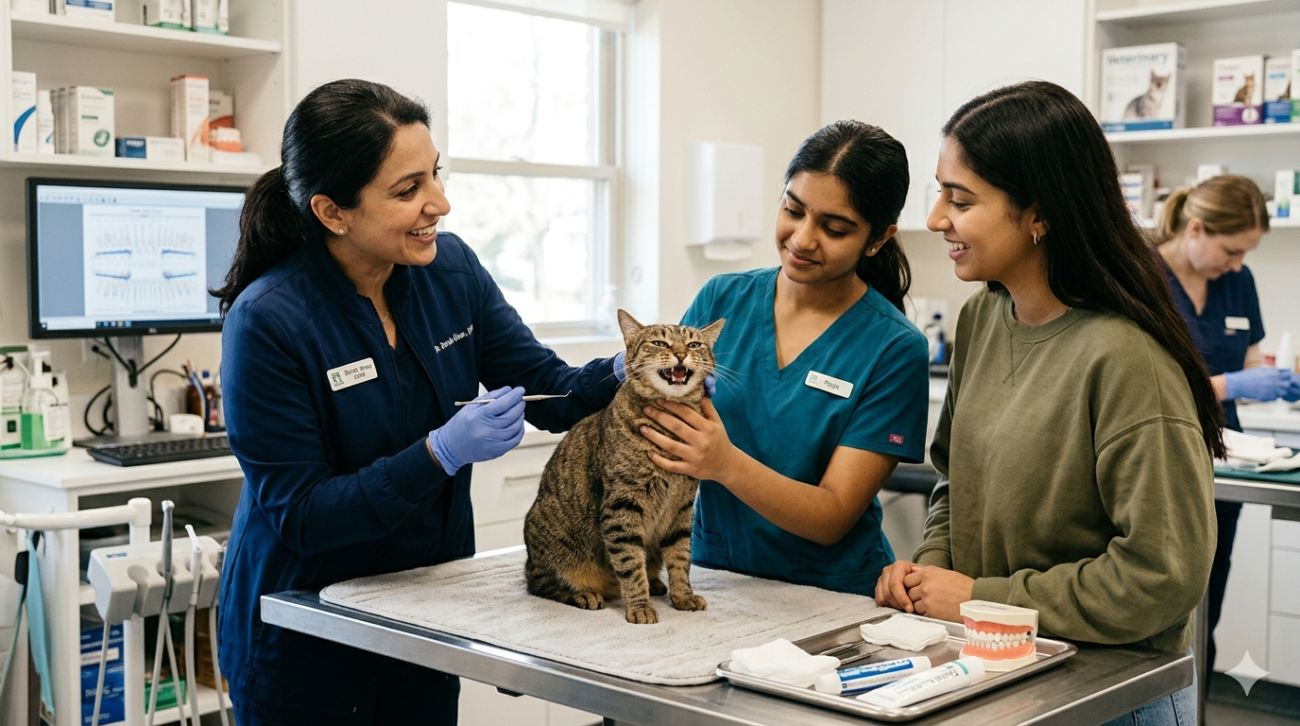
A full physical exam and history is usually the first thing that a veterinarian conducts. Also, they thoroughly examine the mouth and might advise blood tests, urine tests, dental X-rays or imaging tests. These diagnostic procedures aid in proper diagnosis of the cause. Treatment plans can be designed accordingly, taking the specific needs of the cat into account.
Drooling Cats Treatment Guidelines
Treatment will be dependent upon the cause of the condition. Dental cleanings, tooth extraction, antibiotics, pain medications, fluid therapy, dietary adjustments and supportive care can all be of critical importance. Also, elimination of foreign body or detoxification may be required. This means treatment is straightforward and concentrates on the underlying cause instead of just decreasing saliva.
Preventing Future Problems
Continuing preventive care is among the best means to lower the risk of excessive drooling. Good health comes from routine veterinary visits, safe home environment, proper nutrition, and dental cleanings. Also, behavioural and physical modifications can be used to detect issues at an early stage. As a result, the prevention of advanced disease may be simpler and more cost-effective.
Final Thoughts
If you’ve been curious about why is my cat drooling, it could be anything from a benign reaction of contentment to something serious about your cat’s health. Here are some potential causes: dental disease, oral injuries, nausea, toxins, infections, kidney disease, and stress. Cat owners should monitor their cats’ symptoms and get veterinary help if needed, so they can catch issues early and keep their cats healthy and comfortable.