Blog
Cat Drooling Excessively: A Cat Owner’s Complete Guide

The sight of your cat drooling at times is not necessarily something you should worry about, especially if it happens in moments of comfort. But cat drooling excessively needs to be investigated further. It can be a symptom of several things, including something as benign as excitement or something that needs serious medical treatment. Here, you’ll learn more about what could be causing excessive cat drooling, how it might present, and what you can do to prevent it.
What Does Excessive Cat Drooling Mean?
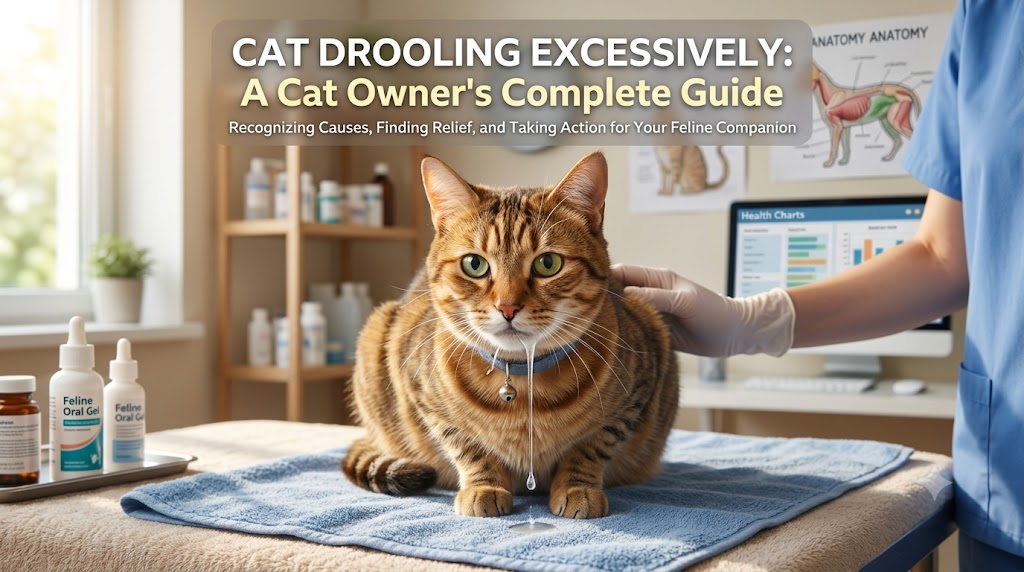
Cat drooling happens when saliva is expelled from the mouth at a rate faster than it is being swallowed. While a little bit of saliva dripping from the mouth is not uncommon in some cats, especially when purring or expecting food, too much drooling can be a cause for concern.
Understanding Normal Cat Saliva Production
Saliva is vital to oral health and digestion. It lubricates food, keeps oral tissue healthy and helps to protect the mouth from harmful bacteria. Feline saliva production is continuous and most cats swallow their saliva. If there is an interference of this process, drooling will be visible.
Owners should not ignore drooling
Drooling can be a symptom of many mouth, teeth, digestive, and nervous system diseases. Drooling is one of the first signs that a health issue is developing and cats tend to mask the signs of discomfort. Early evaluation increases the likelihood of successful treatment of the cause.
There are several common causes of cat drooling excessively
It is important to note that there are many factors that could lead to excessive drooling in cats. There are some that are comparatively trivial and others that need immediate veterinary attention. Often clues can be found in the accompanying symptoms.
Dental Disease
Excessive drooling in cats is also a frequent problem caused by dental disease. Swallowing may become uncomfortable due to plaque buildup, inflammation of gums, infected teeth, and oral pain. Therefore, saliva will pool and dribble from the mouth. This risk can be substantially lessened through regular dental care.
Gingivitis and Periodontal Disease
Gums can be swollen, sore and tender. Cats with gingivitis tend to drool, refuse hard food and have discomfort when eating. Periodontal disease can worsen if untreated and lead to deeper issues in the mouth.
Broken or Damaged Teeth
Fractured teeth will reveal sensitive tissue and often will be painful. Cats with broken teeth might drool, chew on one side of their mouth or refuse to eat. The problem will likely be resolved by veterinary dental treatment.
Oral Infections
Saliva production is stimulated by bacterial and viral infections of the mouth. Mouth ulcers, swollen gums and sore patches inside the mouth can make it hard to eat, resulting in drooling. Early treatment will prevent issues and provide comfort.
This book addresses the issue of cat drooling and cat bad breath
In many cases, cat owners will also observe that their pets have a foul odor in addition to drooling. Foul-smelling breath is often a sign of dental disease, mouth infections or gum disease. A veterinarian oral exam is particularly important if smelly breath is accompanied by drooling.
Mouth Injuries
Drooling can be stimulated by bites, burns, eating food that is too hot or too cold, or by food or liquids getting trapped in the mouth. Cats sometimes bite or hurt their mouths either when playing with toys, eating things with sharp edges or investigating new objects. Extra saliva is secreted in response to pain and irritation.
Foreign Objects in the Mouth
Grass blades, string, bones or other objects may get stuck between the teeth or under the tongue. Drooling is common in cats when there is something in the oral cavity that is bothersome. However, careful veterinary removal might be required in order to prevent further injuries.
Toxic Substance Exposure
Some toxins and poisonous plants induce excessive salivation. Drooling can be caused by household cleaners, medicines, insecticides, and poisonous plants. Exposures to poison are often a medical emergency and require urgent veterinary care.
Why Poisoning causes excess saliva?
A lot of poisons irritate the mouth and gastrointestinal system. The body’s reaction is an increase in salivation in an effort to neutralize and wash away the harmful substances. Other symptoms include vomiting, tremors, weakness and neurological abnormalities.
Indigestion and stomach upset
When cats feel sick they tend to drool more. Nausea related salivation can be caused by digestive disorders, motion sickness, infections or some medicines. Additional signs can be used to assess the need for veterinary examination.
Stress and Anxiety
Sometimes temporary drooling occurs with emotional stress. Anxiety-related salivation may be caused by veterinary visits, new surroundings, noise or travel. While typically temporary, chronic stress should be treated properly.
While visiting the vet, your pet may dribble or drool excessively due to anxiety
Many cat owners notice excessive salivation when their pets are going to the veterinarian. Drooling is sometimes caused by fear and anxiety. Once the stressful situation is over, normal saliva production is restored.
Upper Respiratory Infections
Excessive drooling can be caused by respiratory infections especially if oral ulcers or throat irritation develops. Letharginess, changes in appetite, increased salivation, sneezing, nasal discharge, and other symptoms may accompany respiratory illnesses in cats.
Oral Tumors
However, less frequently, oral tumors can produce drooling, halitosis (unbearable odor), bleeding and problems with food intake. Early diagnosis is crucial because treatment options may depend on the timeliness of diagnosis.
Difficulty Swallowing
A throat, oesophagus or nervous system condition can affect the ability to swallow. Drooling is more evident when saliva cannot be swallowed effectively. Any problem with swallowing should always be evaluated by a veterinarian.
Neurological Disorders
Some neurological disorders impair the control of the muscles used for eating and drinking. These symptoms can lead to drooling, imbalance, weakness, tremors or behavior changes. A neurological cause can be suspected with veterinary testing.
Heat and Overheating
Cats tend to differ in heat regulation from dogs but sometimes salivation can be excessive when cats are exposed to high temperatures. Overheating is life-threatening and a problem which must be addressed immediately.
It is possible that the saliva is excessive
When cat owners research cat excess saliva, they will find that drooling may be indicative of many different medical problems. Some causes are minor; however, if a dog continues to drool or it is unexplained, it is never OK to ignore as it can signify serious disease.
Some symptoms which may accompany drooling:
Usually, drooling is accompanied by other symptoms. Veterinarians are often able to help determine the cause by additional symptoms. The signs are helpful to observe during the diagnosis.
Bad Breath
Odors from the mouth are generally indicative of dental disease, infections or oral trauma. If your dog’s breath stays bad despite the above treatments, seek veterinary advice, particularly if your dog is drooling.
Appetite Changes
A cat that has mouth pain may be eating less, chewing their food slowly or dropping food as they eat. When an animal experiences less appetite and drools more it may be discomforted in their mouth.
Pawing at the Mouth
rubbing face or scratching around mouth could be an indicator of pain, irritation or foreign object. This is typical behaviour which is often seen with oral health issues.
Weight Loss
Chronic mouth pain often impacts people’s eating and drinking patterns. In time, decreased appetite can cause weight loss. This symptom may develop slowly and shouldn’t be ignored.
Vomiting and Nausea
Disorders of the digestive system that lead to nausea can lead to salivation and vomiting. Keeping track of how often and how bad symptoms are can be used to help decide what to do.
Diagnosing Excessive Drooling
A detailed physical examination is the first step in diagnosis. They examine the mouth, teeth, gums, tongue and throat and also go over the cat’s medical history and symptoms. Further tests may be required based on results.
Dental Examination
Your vet may conduct thorough dental exams as this is a common cause. X-rays can identify problems that are going on beneath the gum line and not seen in the regular examination.
Blood Testing
tests are used to diagnose infections, organ problems, metabolic conditions, and other diseases. Lab testing is very important when there is no oral cause identified for drooling.
Imaging Studies
If deeper structural problems are suspected, the patient may be referred for the use of x-rays, ultrasound examinations or for advanced imaging. These are used to identify tumors, foreign objects and anomalies within the body.
Treatment Options
will depend solely on the cause of the problem. If the problem of drooling is a symptom of a real problem, it’s usually cured when you determine and fix the root cause. The sooner, the better!
Dental Cleaning and Extractions
Drooling caused by infected teeth and periodontal disease can be corrected by professional dental care. For some teeth, if they are in such poor condition that they can’t be treated to feel comfortable, it might be necessary to extract the tooth.
Medication and Infection Control
Infections may cause symptoms, in which case antibiotics, pain relief, anti-inflammatory drugs and antiviral medications may be given. Implementing instructions given by a veterinarian will ensure proper recovery.
Removing Foreign Objects
Any objects that get stuck in the mouth or throat should be retrieved safely. At-home removal attempts may exacerbate injuries and/or cause complications.
Preventing Excessive Drooling
Preventive care is an important factor in minimizing oral health issues and associated symptoms. People with healthy mouths get regular tests, dental cleanings and take care of their teeth at home.
The importance of routine dental care
Good oral hygiene, veterinary recommended dental products and routine check-ups can greatly minimize the threat of dental disease. Good oral health is crucial for the overall well-being of felines.
The process of establishing a Safe Environment
Prevent exposure to toxic chemicals, poisonous plants and small objects to minimize risk of poisoning or oral trauma. Prevention is still better than cure.
The following are signs that indicate it is time to see a veterinarian right away:
Drooling is an emergency sign of trouble if it happens in conjunction with breathing problems, seizures, collapse, toxin exposure, heavy mouth bleeding, trouble eating, or heavy behaviour changes. Quick action means life saving.
Final Thoughts
While it may be normal for cats to drool from time to time, it is not acceptable if they drool excessively. Many illnesses or injuries may cause saliva to increase, such as dental problems, injuries to the mouth, poisoning, and systemic disease. By observing carefully, routine preventive care and seeking prompt veterinary treatment, problems can be detected early, and better outcomes achieved. Familiarizing themselves with the causes and indicators of excessive drooling can help cat owners make educated decisions to ensure their cat’s health, comfort, and well-being for the year ahead and beyond.