Blog
Cat Surgery: A Cat Owner’s Complete Guide

Learning that your pet requires cat surgery can be very worrying, especially if you’ve never had to go through this type of experience before. Thankfully, cat surgery today is easier and safer compared to in the past due to advances in the field of veterinary science. Knowing what occurs during cat surgery will make the process easier and even help you care for your pet better after it. Read this comprehensive guide on everything about cat surgery, from preparations and procedures to warnings in 2026.
Reasons for Cat Surgery
The reasons why cats require surgery can vary depending on their health problems. While some surgeries are preventative, others are necessary due to injury, infection, tumors, bladder obstructions, oral diseases, or digestive disorders. The purpose of surgery is usually to relieve pain and improve your cat’s ability to function properly and live longer.
There are various types of feline surgery that are common
There are various procedures veterinarians conduct on cats. Most common operations include the removal of spays, neutering, dental extractions, mass removal, fracture repair, bladder surgery, intestinal surgery and wound repair. Not all procedures are equally safe, nor are they equally fast to recover from or do they have the same recovery needs. Your vet will be able to discuss why the surgery is recommended and what you can expect to see after the surgery.
Understanding Cat Surgery Risks and Benefits
While there is a risk associated with any cat surgery, waiting for a procedure that is needed can also prove to be dangerous. Before making a surgery recommendation, veterinarians consider age, weight, medical history, and overall health. Blood tests, imaging and physical exams help determine problems that could impact anesthesia or healing. When assessing risks and benefits, owners can use this information to make informed decisions in consultation with their veterinarians.
The Role of Anesthesia
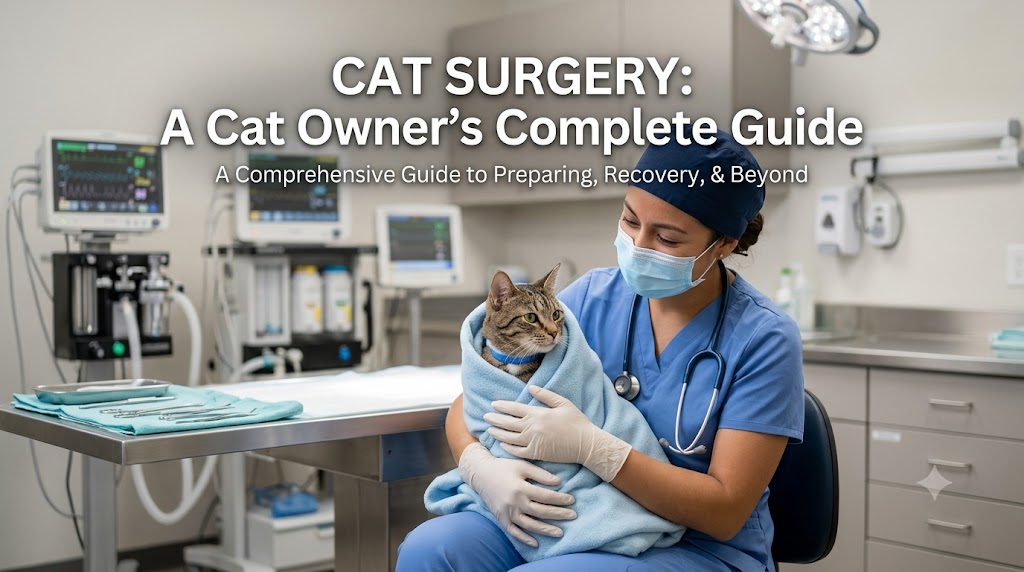
General anesthesia renders the cat unconscious, pain-free and immobile during surgery. Current anesthetic procedures are carefully customized for each patient. Procedures are monitored by the monitoring equipment which measures the heart rate, blood pressure, oxygen level, breathing and temperature during the procedure. These safety measures are of great importance as they will minimise complications and enable a quick response to change.
Pre-Surgical Examination
Your veterinarian will do a full exam prior to surgery. They will assess the heart, lungs, hydration status, body condition and any medical issues. The evaluation will help decide if further testing or treatment is necessary prior to anesthesia. It is particularly important to talk openly about medicines or supplements, appetite changes, or illness in the past couple of weeks.
Blood work is necessary before surgery.Pre-Surgery blood work is required
Blood checks before surgery can be used to check the functioning of the organs, red blood cell counts, signs of infection, and other values. Although there are some procedures that do not need extensive testing, screening is especially beneficial for elderly pets, pets with health issues, or pets getting major surgery. If the results are abnormal, the anesthetic plan might need to change or extra treatment might be needed before the procedure is continued.
Fasting Instructions
Cats should have several hours before anesthesia before they do not eat. Sedation will increase the risk of vomiting and aspiration of food in the stomach. Procedures vary with watering instructions depending on the procedure and the veterinarian’s protocol. Specifically follow the clinic’s directions and do not take advice from other sources.
Preparing Your Home
It is much easier to return home if a recovery area is established prior to the appointment. Select a room where children, pets, and activities are not present which is a good temperature. If mobility will be restricted, offer soft bedding, access to food and water, and a low-sided litter box. Stress is lessened during the initial recovery hours with preparation.
What Will Take Place on Surgery Day
Once the patient has been admitted, the veterinary team will examine the treatment plan, ensure that the patient’s consent is reached and mark the patient with an identification system. An intravenous catheter might be inserted, fluids may be given and premedicating for pain and relaxation may be administered by the technician. After the cat is anaesthetised, the surgical area is shaved, cleaned and sterilised.
Monitoring During Surgery
Expert personnel keep a close watch on the vital signs during the entire surgery. Temperature control, provision of oxygen, fluid therapy, pain management are tailored when necessary. Monitoring is a critical element of surgical safety in the modern world, and it is important to monitor for change before it becomes a crisis.
Pain Management Matters
Cats can feel pain, although they do not show it very visibly. Well managed pain increases comfort, appetite, mobility and healing. In addition to pre-, during, and post-surgical treatment, veterinarians may use a combination of drugs for complete relief. Do not administer human medicines to cats unless instructed to do so by the veterinarian. Many medications are toxic to cats.
A recovery plan for the species is being developed at the Clinic
Once the surgery is completed, the cat is monitored as it wakes up from the anesthesia. Staff monitor breathing, temperature, heart rate and alertness as patient comes to. A few cats are lethargic, vocal or staggery for several hours. These effects are generally short lived but if further monitoring is indicated, the cat is retained at the clinic.
The First 24 Hours at Home
Patients may experience light sleepiness, loss of appetite and decreased activity on the first day. Feed a small meal, if approved by your veterinarian, and make water available. Keep the cat inside, warm and in a quiet place. Jumping, running and rough play should be avoided in general until otherwise advised by your veterinarian.
Incision Care Basics
Monitor the incision every hour or two, in good lighting. A little redness and swelling, and a little dried blood, may be normal at first. Do not apply ointments, alcohol, hydrogen peroxide or home remedies without instructions. Maintaining a clean, dry and licking protected area is typically the most critical.
Cat Spay Incision – What Is Normal?
Cat spay incision is sometimes a concern for owners. There may be some redness, bruising or firmness in the first few days. It is important that the swelling, heat, discharge and/or bleeding increase, but if there is a gap in the incision, you should notify your veterinarian immediately. If there is good communication at the beginning, there will be less serious problems.
How to use an E-Collar or Recovery Suit
Most cats will attempt to lick or chew surgical areas. Use an Elizabethan collar, inflatable collar or recovery suit to avoid self-trauma. While they might not be everyone’s favorite idea, they are sometimes necessary to keep the incision safe. It is a common mistake to pull the collar off too soon, thus causing the wound to become infected or open up.
Activity Restriction
Tissues are very fragile during the healing process. Sutures and internal repairs can be stressed by running, climbing, wrestling and jumping. Even if the cat seems energetic, follow your vet’s advice on activities. Staying inside can be cumbersome, but sometimes easier than having a scar reopen or an infection occur.
Cat Spay Recovery: Timeline and Expectations
Cat spay recovery is usually rapid for routine procedures. A lot of cats resume eating, get up and about and use the litter box within one day. The tissue level healing is typically 10-14 days and may be sore for several days afterwards. Your veterinarian will let you know when it’s safe for your dog to resume normal activities, bathe, and remove its collar.
Feeding After Surgery
Some cats get a little queasy following anesthesia. Small, easy to eat meals are often suggested as the first meal. If vomiting is frequent, appetite is lost or if water is not retained, please call the clinic. Nutrition and hydration is essential for healing, but so can forcing food.
Litter Box Considerations
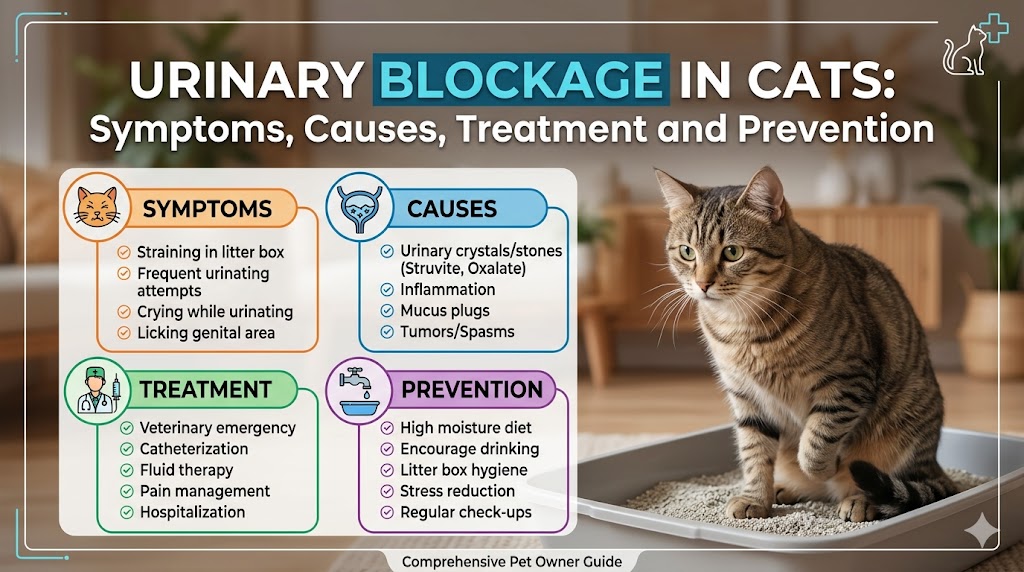
Locate litter box near the recovery area, and have a low entry for limited mobility. Be aware of strains, difficulty urinating, diarrhea or constipation. These symptoms can be a sign of pain, drug side effects, dehydration, or other problems that warrant veterinary attention.
There are several warning signs
If the vomiting occurs again, food is not eaten for more than a day, breathing seems to be more difficult, the animal is very lethargic, the gums are pale, there is any amount of bleeding, the discharge is foul smelling, the incision is swollen, or there is a hole in the incision, contact your veterinarian. If the pain has suddenly worsened, or if the animal has collapsed or is unable to urinate, it is a medical emergency.
Infection vs. Normal healing
Normal healing will improve gradually day-by-day. When infected, it will become redder, hotter, swollen, painful, have discharge or smell. The scar might appear worse than it is. If you are unsure, it’s better to send a clear photo to your vet’s office so they can make a decision on whether to examine your pet or not.
Senior Cats and Surgery
Surgery can be performed on an older cat, but may require further evaluation. Anesthesia and recovery plans may be affected by kidney disease, heart disease, arthritis and other age-related diseases. In senior patients, careful monitoring and an individualized pain management protocol are particularly important, as is preoperative testing.
Emergency Cat Surgery
Not all procedures are planned. Sometimes this is an emergency situation, due to trauma, urinary blockage, intestinal obstruction, severe wounds, and some infections. Treatments that stabilize the patient in emergencies, such as fluids, oxygen, pain control, and other treatments, may be provided before surgery begins. The time is crucial.
These include the costs and financial planning
The cost of surgery can differ greatly based on the location, the complexity of the surgery, the length of hospitalization, imaging, lab tests, and whether it’s an emergency. It is important to get a written bid to prevent any surprises. Care for unexpected illness and disease can be easier to manage thanks to pet insurance, wellness plans, and emergency savings.
Helping a Nervous Cat
Travel and hospitalization, as well as some medications can cause stress in many cats. Allowing the carrier to get used to you before you pick it up, using familiar bedding and handling it gently and speaking quietly may help. In the case of very nervous cats, some clinics might prescribe pheromone products or anti-anxiety drugs. Minimizing stress is important for healing and connection.
Follow-Up Visits
Recheck appointments are no formality. They give the doctor the opportunity to view the healing, take sutures out if necessary, modify medicines and address any concerns. These visits are important for the recovery to remain on schedule, and allow owners to discuss activity, nutrition, and care plans with their veterinarian.
Final Thoughts
While a planned cat surgery can be frightening, knowing what to expect can make it easier to manage. A smooth recovery is based on preparation, clear communication, pain control, monitoring of incision and timely follow-up. With careful attention to veterinary advice and monitoring for signs and symptoms, most cats recover well. With education and structure, you can assist your cat to recover in as safe and comfortable a manner as possible and minimize the stress you put on yourself and your cat in 2026 and beyond.