Blog
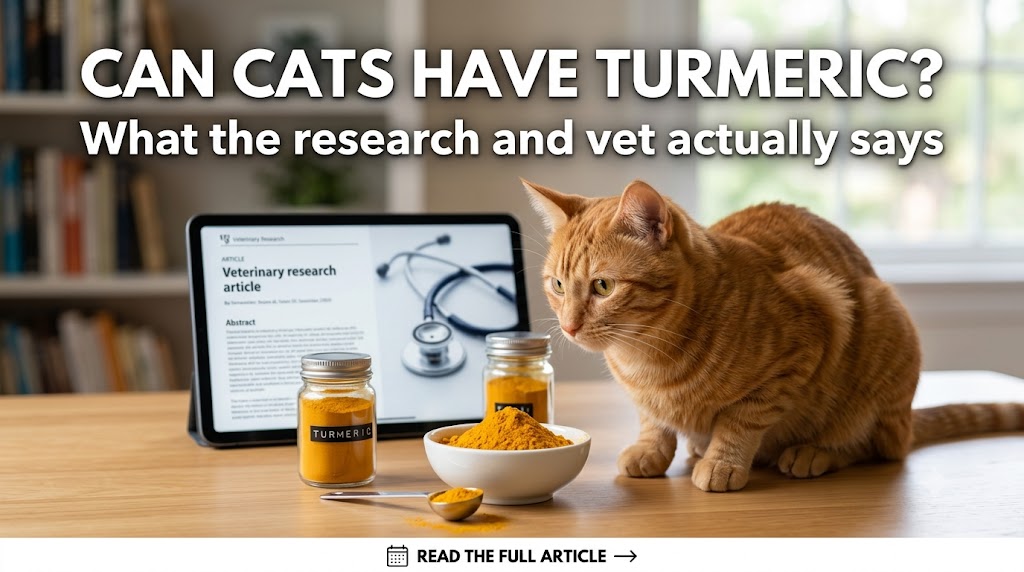
Can Cats Have Turmeric? What Research and Vet Actually Says

With time, more and more people have become keen on using natural supplements that might help enhance their pets’ health. And turmeric appears to be the most common topic of conversation owing to its numerous healing properties. However, when considering introducing a supplement into your cat’s diet, you should be aware of possible advantages and disadvantages. Have you ever wanted to know can cats eat turmeric? This detailed article will explain what science says regarding this problem.
What Is Turmeric?
`is an orange-yellow herbaceous flowering plant. Its roots are used to get ground turmeric which has been popular for centuries thanks to its medicinal value. Curcumin is a major compound in turmeric which scientists have examined for decades due to various positive properties it has. Turmeric is believed to have anti-inflammatory and antioxidant action and to improve overall digestion.
Why Cat Owners Are Interested in Turmeric
With a greater awareness of the need for a holistic approach to pet care, many pet owners are looking for alternatives to traditional supplements. Turmeric is often mentioned for its role in supporting joint health, immune function and the management of chronic inflammation. Many of the older cats have mobility problems or inflammatory diseases, and owners may question if turmeric can offer extra help along with the veterinarian’s care.
Is Turmeric safe for cats?
Cats can have turmeric, but only in limited amounts and with a veterinarian’s supervision. Turmeric is not toxic to cats. Cats have different nutrient needs than humans and dogs, however. Just because an ingredient can be good for human health does not mean it’s necessarily good for a cat. Safety depends on dosage and health factors of each person.
Understanding Cur cumin
The majority of the health benefits of turmeric are due to cur cumin. The effects of cur cumin on inflammation, oxidative stress and regulation of the immune system have been studied. Although laboratory studies and study in humans have produced promising results, there are relatively few studies conducted with cats. So it’s best to be optimistic with caution rather than assuming the same benefits for cats.
The way that Turmeric acts in the body
The main action of turmeric is to affect the inflammatory pathways of the body. Chronic inflammation is a common cause of various issues, such as arthritis, and some digestive disorders. Turmeric’s anti-inflammatory properties can provide some supportive effects. Moreover, antioxidants in turmeric are able to neutralize free radicals which can cause damage over time.
Some of the Possible Health advantages of Turmeric for Cats
While there is not yet comprehensive research on cats, some vets feel that turmeric can be useful when applied properly. It may offer benefits for joint health, immune support, digestive health, and antioxidants. Turmeric should never be used as a substitute for veterinary care or medication, however.
Turmeric and Joint Health
Joint discomfort is more likely to happen with older cats. Mobility and quality of life can be greatly impacted by arthritis and degenerative joint disease. Due to its anti-inflammatory effects, some pet owners incorporate turmeric into a comprehensive joint support regimen. However, results are not consistent and should be always discussed with a veterinarian!
Is Turmeric safe for cats with arthritis?
One of the most common reasons for considering turmeric for cats is its use in managing arthritis. Turmeric can provide some supportive benefits to some cats, but there is not as much evidence as there is to the veterinary options. It is important to consider turmeric as a supplement in addition to other treatments for chronic joint disease, not as a replacement.
Antioxidant Properties
When there are more free radicals in the body than can be handled, it leads to oxidative stress. In the long run oxidative damage can be a cause of ageing and some diseases. The antioxidants in turmeric can minimize this damage. One of the reasons turmeric remains an intriguing option for pet owners is its ability to help maintain cell health by consuming antioxidants.
Immune System Support
Other studies indicate that curcumin can modulate immunity through effects on a few inflammatory responses. This does not indicate that turmeric is directly related to the immune system, but it can help to keep the immune system in balance. Additional studies involving cats are required to make positive statements.
Digestive Health Benefits
Turmeric traditionally is used for digestive support. There are reports that digestive comfort improves with the use of turmeric supplements prescribed by the vet. But some cats will react quite differently than others to digestive changes. Careful observations for any negative effects are still necessary when adding any new part to the diet.
Caution when Feeding Turmeric to Cats
Turmeric is safe in moderate doses, but can cause issues if used in excessive amounts. Side effects may include stomach upset, diarrhea, vomiting and decreased appetite. Certain medical issues can pose more risk for certain cats. So, it is important to first get the expert opinion before introducing turmeric into a cat’s diet.
Gastrointestinal Side Effects
The most frequent side effects of turmeric supplementation are digestive disturbances. Cats that are sensitive might feel sick, have diarrhea or stomach pain. Gradually introducing supplements and adhering to veterinary advice helps minimise gastrointestinal problems.
Drug Interactions
Turmeric could interact with some medications, such as medications that affect liver function and blood-thinning medications. Due to these possible interactions, it is always best to inform your veterinarian if you are using supplements. Natural substances can also affect how medications work and can be dangerous.
Cats With pre-existing Health Conditions
Some health problems may make it unsuitable to take turmeric as a supplement. Some digestive diseases, bleeding disorders and cats with gallbladder problems may need extra care. Veterinary exam can be used to decide if turmeric is recommended for a specific cat’s health situation.
How much can cats take of turmeric?
Dosages may differ depending on body weight, health and formulation of the product. The dosage varies from cat to cat. This is a clue to the need of a vet’s advice before adding turmeric. Professional advice will reduce the risks and maximize the benefits.
Natural Turmeric vs Supplements
Turmeric is available as powder, capsules, liquids and dedicated pet supplements, for use by owners. Products made specifically for the pet, typically have more safety for them because manufacturers think about animal needs. Ingredients in human supplements might not be appropriate for cats.
Choosing High-Quality Products
The quality of the supplements can differ greatly from brand to brand. Search for products made specifically for pets and by reputable companies. Many times quality standards are higher when third party tested or ingredients are transparent. Using trustworthy products minimises risk of contamination and increases consistency.
Can Coconut Oil be used with Cats For Turmeric?
There are numerous homemade turmeric supplement recipes that pair it with oils to enhance absorption. Coconut oil ok for cats is a question that owners should be aware that coconut oil is safe when consumed in small amounts. But too much can lead to gastrointestinal discomfort, or to empty calories. A veterinarian’s advice is still needed when taking supplements together.
Bone broth and supplement delivery from cats
Some owners recommend adding supplements to cat bone broth to make it more appealing to the cats. Bone broth can help with ease of medication and/or supplement levels, particularly if your child is a picky eater. But owners should select formulations that don’t contain harmful components like onions, garlic and too much sodium.
Turmeric for Senior Cats
As pets get older, there are certain health problems that can arise that may encourage the pet owner to seek out nutritional support options. Turmeric can potentially offer some beneficial support for older cats, especially when it helps reduce inflammation that may lead to discomfort. However, senior pet cats are more likely to have a complicated medical history and veterinary care is even more critical.
Is Turmeric Safe for Kittens?
Kittens require different nutrition than adults. Use of supplements should be done with caution as their bodies are still developing. A good balanced kitten food is the first priority; supplements are not recommended unless the veterinarian deems it medically necessary.
Research Limitations
The difficulty in assessing turmeric for cats is partly because there is not a lot of research specific to cats. Numerous claims are based on human studies, experiments in the laboratory, or studies using another species of animals. These results are promising, but do not necessarily indicate results in cats.
The facts that the veterinarians recommend
The majority of vets take a balanced view of turmeric. They tend to recognize the possible benefits and stress the importance of setting realistic expectations. Turmeric can be used as a complementary supplement in some cases, but cannot be a substitute for proven medical therapies. The professional opinion is still necessary to make the right decisions.
Common Myths About Turmeric
There are a number of websites that suggest turmeric can heal almost all health ailments. Claims are frequently made that are too strong. Though turmeric has some interesting properties and possible benefits, nothing can cure all diseases. Responsible use is knowing what it can do and also what it can’t do.
Symptoms Your Cat May Experience With Turmeric
Once you introduce turmeric, watch for vomiting, diarrhea, loss of appetite, excessive drooling, lethargy or behavioral changes. If a reaction is of concern, it should be discontinued and veterinary advice sought. Early detection of adverse effects will prevent more serious complications.
Development of a safe supplement plan
The key to a successful supplement regimen is veterinary advice, careful formulation, and slow and steady introduction. Close observation of response can help to make adjustments as needed. Taking supplements along with a healthy diet, exercise, water and preventive health care are the most complete measures to feline wellness.
Final Thoughts
So, is Turmeric safe for cats? Yes, in many cases, responsibly provided and supervised by a vet. Turmeric can be beneficial in supporting inflammation, antioxidants and overall wellness. But there is limited evidence of the beneficial effects of such supplementation in cats and it is not suitable for all cats. Through collaboration with a vet and selecting top-notch products, cat owners can make thoughtful choices that ensure their cats not only stay safe but potentially improve their overall health and well-being in 2026.