Blog
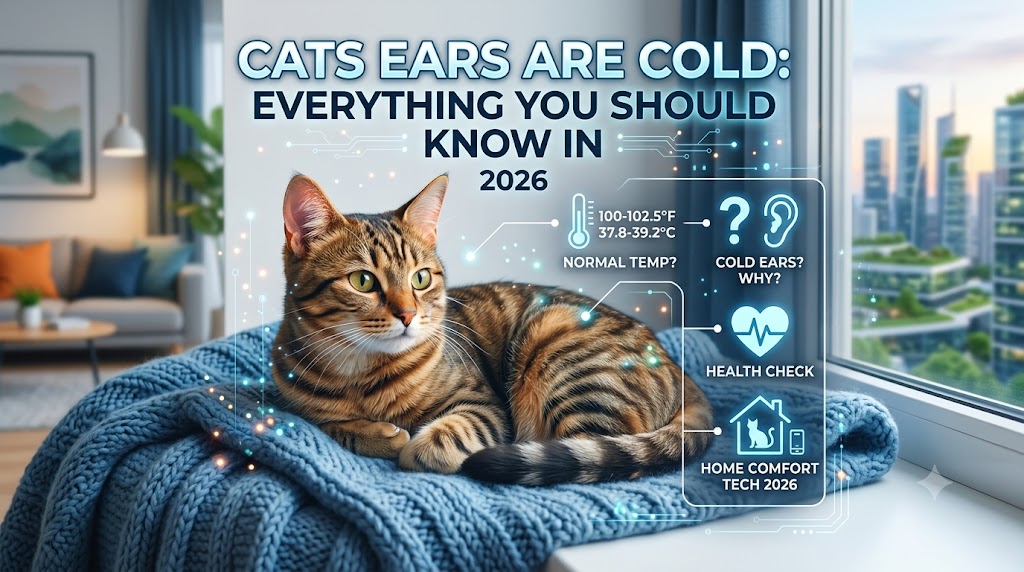
Cats Ears are Cold: Everything You Should Know in 2026

When many people have their hands on their cats, they sometimes get worried when they find that their pets’ ears are cold to the touch. As ears are very accessible parts of a cat’s body, any unusual condition may cause concern among the cat owners about the health of their pet. Most often, cats have cold ears due to environmental reasons and occasional temperature fluctuations. However, there are some occasions when cold ears can be a sign of certain disease in a cat.
Why Are a Cat’s Ears So Sensitive?
The role of the ears is not limited only to listening for a cat. Ears play an essential role in thermoregulation, expression of emotions, and sensing tiny sounds around the animal. Many blood vessels can be found right under the surface of the ears’ skin, which makes them especially sensitive to temperature changes.
The Reasons Why Cats’ Ears Can Feel Cool
If you have ever felt your cat’s ears and noticed that they were cold, then this may be explained by a decrease in blood circulation. In order to regulate body temperature, the body naturally changes blood circulation. With lower temperatures outside, blood vessels become constricted, and consequently, the temperature decreases and cats ears become cool.
Normal Body Temperature for Cats
Healthy cats do not have to have warm ears all the time. Depending on the surrounding temperature, they may be warm, cool, or neutral. Moreover, unlike body temperature, cats’ ears can rapidly change depending on external factors. Thus, cool ears cannot mean that there is a problem with your cat’s health; you will need to analyze further signs.
External Factors That Can Cause Cold Ears
An important reason why cats have cold ears is related to their surroundings. Low temperatures, air conditioning, cool floor surfaces, and close proximity to windows can cause coolness. If your indoor pet spends time under trees and near fans, then his ears may become cool. However, once he warms up, this issue will resolve on its own.
Effects of Cold Temperature on Circulation in Cats
When the temperature is very low outside, cats adapt to this change by changing the pattern of blood flow towards their main organs. The decrease in circulation makes the ears, paws, and tail cooler. As soon as the surrounding temperature improves, the circulation process goes back to its usual state.
Why Indoor Cats Have Cold Ears Too?
Most people believe that this issue is typical for those who live outdoors. In fact, indoor cats may also face the problem, especially when the room is air conditioned. Also, lack of exercise and cool floors may cause lower temperature in the ears. For the most part, this problem isn’t something to worry about as it isn’t dangerous.
Why Cats’ Ears Are Cold Right After They Wake Up?
Owners often find out that cats have cold ears after their sleep. It happens because while being asleep, their metabolic processes slow down a little bit. Because of this phenomenon, ears may feel a bit colder right after waking up. With the help of additional physical activity, they’ll get warmer soon.
Stress and Brief Temperature Fluctuations
There can be cases where stress might affect the blood circulation and hence body temperature. Stress factors such as visits to a veterinarian’s office, travel, unfamiliar surroundings, or loud noises might cause physiological effects that lead to cooler ear temperatures. It is important to note that once the stress is alleviated, the ear temperature might go back to normal.
Age Difference and Effects on Ear Temperature
It is vital to note that kittens and senior felines will have different responses to body temperature fluctuations compared to young adults. This is because kittens are not capable of controlling body temperature, whereas senior cats suffer from circulation issues as a result of aging. This should therefore guide the owners to watch out for ear temperature changes.
Cold Ears and Diseases
It is possible for cat owners to worry about cold ear temperature in their felines. It is essential to note that there are some diseases that might cause poor blood circulation in a cat’s body. Owners who notice cold ears coupled with other symptoms should contact a vet immediately.
Low Body Temperature in Cats
Hypothermia refers to abnormally low body temperatures. The other symptoms that may be seen in case of hypothermia include weak muscles and low reactivity. Hypothermia may happen due to exposure to excessive cold, some diseases, and trauma. This condition requires emergency veterinary attention.
Poor Circulation and Cold Ears
Some cardiovascular disorders can affect blood flow in the cat’s body. Poor circulation of blood might lead to lower temperatures in the peripheral body parts. Although poor blood circulation does not belong to the leading causes of cold ears, it has to be taken into account if there are other symptoms.
Shock and Emergency Situations
It is one of the most serious emergencies, which might be accompanied by the development of cold ears and cold extremities. Shock may occur in cases of trauma, severe disease, hemorrhage, and allergic reactions. Shock manifests itself by weakness, lack of awareness, and poor reactivity.
Ear Infection and Change in Temperature
Remarkably, ear infections don’t necessarily lead to hot ears. Such infections may result in changes in blood circulation leading to different temperature perceptions. Also, infections usually result in discharge, smell, scratching, and irritation. As the symptoms vary a lot, a vet’s examination is the most effective way to find out whether there is an infection.
Inflammation in Cat’s Ear and Underlying Causes
Apart from ear infections, cat owners need to pay attention to the swelling in cat ear tissue. The inflammation could be caused by infection, injuries, allergies, and hematomas. Although it is not always possible to connect inflammation with cold ears, both symptoms definitely deserve attention.
Dehydration and Ear Temperature
It is worth mentioning that dehydration has an effect on circulation and leads to lower temperatures of certain body parts, including ears. Thus, cats that lack water have lower blood levels. Additional symptoms include dry gums, fatigue, and low skin elasticity.
Nutrition and Circulation Issues
A proper nutrition plan allows your cat to have good heart functioning and temperature regulation. Any issues related to the development of the blood in your cat or poor circulation may affect its ability to distribute the temperature properly. A good diet plan suggested by a veterinarian will ensure the best possible health for your cat and prevent any nutrition-related issues.
Cold Cat Ears along with Other Signs
Temperature changes alone do not give enough indications about what is happening with your cat. If you notice that your cat has cold ears together with other signs like cat excess saliva, loss of appetite, vomiting, or any behavioral changes, it is necessary to consider consulting a vet.
Evaluating a Cat with Cold Ears
When veterinarians evaluate a cat with cold ears, they do more than just checking their temperature. Other procedures such as physical examinations, measuring body temperature, taking blood test, and running some additional diagnostic tests may be needed.
Treatment of the Underlying Problem
The treatment is determined solely by the underlying problem. In case there are no diseases, environmental factors do not require any medical assistance. Otherwise, antibiotics, rehydration, or other treatment might be required in addition to the mentioned preventive measures. Adhering to the veterinarian’s instructions helps enhance recovery.
Monitoring of Your Cat at Home
Observation is one of the best methods for owners to keep their pets safe. Keep track of your pet’s appetite, activity level, bathroom trips, and general behavior. In cases when cold ears happen without any other problems, observation can be used as a primary method. Yet, any changes should always be discussed with the vet.
Prevention of Temperature Disorders
Creating optimal conditions reduces the risk of developing the mentioned disorders. Comfortable beddings, appropriate nutrition, sufficient hydration, and regular visits to the clinic will help to maintain healthy blood flow and normal body temperature. Additional warm clothes should be provided to cats during winter time.
Myths About Cold Cat Ears
One of the biggest myths about the health of cat ears is that cold ears mean illness. As a matter of fact, ears have different temperatures all through the day. Some people may think that it’s possible to evaluate the health condition based only on ear temperature, but it should be remembered that it’s better to check your cat thoroughly.
Prognosis
In general, cold cat ears are considered completely normal and usually do not need any particular measures. Early detection and timely diagnosis can really affect the future health and well-being of your pet when it comes to medical disorders that lead to temperature change.
Conclusion
It should be noted that it’s nothing alarming if a cat has cold ears. Normal blood circulation, environmental temperature, or sleeping process affects their temperature quite much. Nonetheless, if you notice other symptoms like fatigue or abnormal behavior, you shouldn’t hesitate with further actions.