Blog
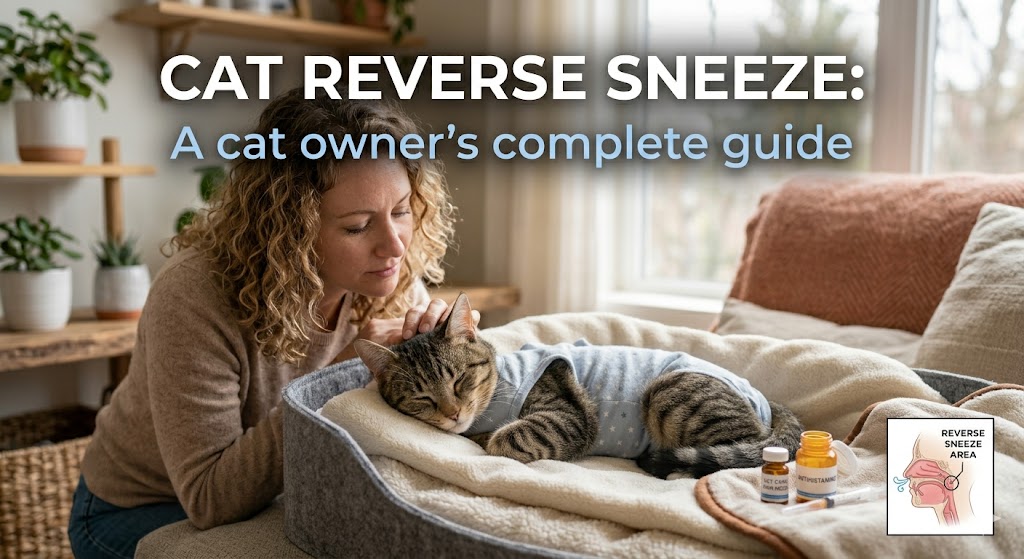
Cat Reverse Sneeze: A Cat Owner’s Complete Guide”

The sight of hearing your cat making loud sounds such as snorting, honking, or gasping can be quite shocking for many owners who suspect their cat could be choking or having trouble breathing. However, reverse sneezing in cats is a transient condition that may look serious but isn’t necessarily so. Even though it is more prevalent in dogs than cats, it can occur in felines at times. Knowing the reasons behind reverse sneezing, its causes, and how it requires professional treatment can go a long way in helping you deal with it.
Why Does Your Cat Reverse Sneeze?
In reverse sneezing, the cat inhales quickly through the nose instead of expelling air from it the way it does while sneezing normally. Another thing about this condition is that it produces an odd sound that seems like the cat is wheezing or choking. Even though the situation might be scary, most reverse sneezes end in just a matter of seconds.
Difference Between Reverse and Regular Sneezing
Sneezing involves the expulsion of air outside through the nose to clear out any foreign matter. However, reverse sneezing occurs through the repeated suction of air inside the nose due to irritation in the nasal area, throat, or soft palate. Moreover, affected cats usually extend their necks and stand stiff while snorting repeatedly. Since this condition produces unique sounds, most pet owners confuse this phenomenon with respiratory difficulties.
Cat Reverse Sneeze and Reasons Behind it
Some of the reasons that could cause a cat to experience a reverse sneeze include irritation within the upper respiratory tract region. Pollen, dust, perfume, smoking, household cleaners, or environmental allergens may cause irritation. Besides, excitement, quick exercise, overeating, or drinking too fast may also cause reverse sneezing.
Symptoms of Reverse Sneezing
Identification of reverse sneezing is important in avoiding undue anxiety. Most felines will suddenly pause whatever they are doing, then produce sounds associated with inhaling air rapidly into the nose. Furthermore, the cat will extend its neck and open the mouth somewhat in a process known as reverse sneezing. Fortunately, most cats stay conscious during the process and recover fast within seconds.
Indoor Pollutants
Some environmental factors exist indoors which may pose risks to a cat’s health. For example, dust from litter boxes, aerosols, scented candles, cigarette smoke, and cleaning chemicals are typical examples of irritants. Seasonal pollen and mold spores are other irritants that may affect the airways of cats, causing them to experience reverse sneezing.
Reverse Sneezing Due to Allergies
Another potential cause of reverse sneezing involves allergies. In many cases, cats are allergic to certain allergens in their environment or diet. Furthermore, allergens such as flea bites and foods may cause allergic reactions. Therefore, it is critical for a person owning a cat to determine the type of irritants to avoid.
Can Cat Reverse Sneeze Be Harmful?
Cat reverse sneeze does not usually pose a risk to your pet’s health and may disappear on its own. However, if episodes become too frequent and intense, a possible disease should be ruled out with the help of a professional. Furthermore, sneezing associated with other symptoms such as a runny nose, cough, fatigue, lack of appetite, or breathing problems should be evaluated by a vet.
Respiratory Tract Infections
Many cats suffer from various types of upper respiratory tract infections, which can cause reverse sneezing episodes in some cases. Bacteria or viruses can cause inflammation of the respiratory tract, leading to greater sensitivity. Furthermore, animals with infections tend to have other symptoms, including sneezing, runny nose, tearing, and weakness.
Inflammation in the Nose
Inflammation inside the nose is a common reason for reverse sneezing in cats. This condition can be caused by many factors, including infections, foreign body presence, allergies, and irritation. Additionally, irritated tissues become extra sensitive, causing the respiratory system to react incorrectly to certain irritants.
Foreign Material in the Nasal Passages
Sometimes, objects such as grass seeds and dust particles get stuck in the nasal passages of the cat, and this causes sneezing or reverse sneezing. Also, constant irritation leads to inflammation and pain in cats. It is essential to visit a vet clinic for treatment after all home remedies fail.
Body Language When a Cat Reverse Sneezes
The body language is a key way to understand what the animal is going through during a reverse sneezing attack. Normally, when a reverse sneeze occurs, the cat stands up and makes loud noises but remains attentive. However, if the cat starts vomiting, passes out, or its gums turn blue, a visit to the veterinarian is necessary.
At-Home Treatment of a Cat Reverse Sneeze
During reverse sneezing attacks, a person needs to remain relaxed to keep the cat calm. Normally, the attack stops spontaneously soon. Speaking to a cat during the episode and minimizing the environmental irritants can speed up the process. Do not interfere by attempting to open the animal’s mouth.
Enhancing Indoor Air Quality
Fresh air plays an important role in maintaining good respiratory function. Dusting, air cleaning, and adequate ventilation will prevent any irritating particles in the air. Moreover, the absence of smoke and strong odor from anything will keep your cat’s airways healthy. Even small steps could improve your cat’s well-being considerably.
The Frequency and Intensity of Episodes
Writing down the details about each episode will provide a good understanding of the situation. You need to write down how often you observe reverse sneezing, how long the episodes occur, and whether there are additional signs. Also, you may see some seasonal patterns or any other correlations.
When to See Your Vet About Reverse Sneezing
In most cases, such episodes may not be dangerous. However, if they occur regularly, there could be some problems that require professional examination. In addition, if any changes in the intensity of episodes appear, they might need veterinary care. In addition, aging cats and those with respiratory problems need special attention.
Cat Reverse Sneeze Compared to Other Breathing Disorders
It can be difficult at times for the owners to differentiate a cat reverse sneeze from other breathing disorders. Sometimes people confuse a cat reverse sneeze with asthma, coughing, choking, or any respiratory infection. Also, some odd sounds might sound like cat wheezing sounds. Recognizing the difference helps the owner help veterinarians diagnose quickly.
The Process of Veterinary Diagnosing
To diagnose the problem accurately, veterinarians usually rely on physical examination, case history, and diagnostic testing. Moreover, depending upon the case, they might perform some imaging study, nasal exam, and lab tests. The process of diagnosing ensures that the proper treatment is being administered.
Treatments According to Causes
Based on the reasons behind cat reverse sneezes, the owner will have to choose an appropriate solution. In case of allergies, one must change their environment or give them some medicine. Sometimes infections need antibiotics, while in rare cases, the cause might be foreign bodies, polyps, or structural deformities.
Reverse Sneezing and Stress
Stress may cause several health problems in cats, such as problems associated with respiration. Noises, changes in surrounding areas, and significant disturbances in their daily schedule may make them more susceptible to attacks. Moreover, a stable daily schedule may decrease stress levels and promote their health and wellbeing.
Nutrition and Respiratory Problems
Proper nutrition is critical for immunity and good respiratory health because it prevents the development of deficiency-related problems that interfere with the body’s defense mechanism. Proper hydration plays an essential role in keeping mucus membranes healthy. Good nutrition provides a solid base for long-term health.
Respiratory Problems Related to Reverse Sneezing
The owners researching reverse sneezing might find information on reverse sneezing in cats useful to compare symptoms and learn more about triggers affecting their airways. Also, having more information regarding various respiratory conditions is crucial to realize when veterinary intervention is needed.
Long-Term Prognosis
The long-term prognosis of felines with occasional reverse sneezing is usually very good. The majority of the attacks are short-lived and sporadic; in addition, felines with a diagnosed medical condition usually show great improvement when they are under proper treatment. Professional veterinary help enables the identification of any problems early on as well as the improvement of the health of the cat’s respiratory system.
Methods of Prevention
While not all incidents will be preventable, there are measures that might help to minimize the likelihood of an attack. Creating a clean environment, avoiding irritants in the air, controlling the cat’s allergies, and visiting the veterinarian regularly all help improve respiratory health. Besides, watching for signs of respiratory distress in cats is always a good strategy.
Conclusion
A reverse sneeze sounds very alarming, but in most cases, it is nothing serious to worry about. Knowing the possible causes, being able to recognize the symptoms of a reverse sneeze and seeking veterinary care immediately if necessary are essential components in dealing with this problem. Moreover, preventing environmental irritants, allergies, infections, and other causes of reverse sneezing contributes greatly to the management of the issue.