Blog
Cat Limping: Causes, What it Means, and What to do

Since cats move in a balanced manner, limping is an immediate concern for owners. The knowledge that owners have regarding limping behavior will help them understand whether the limping behavior is associated with potential injury, infection or other medical condition. It will also aid in prompt action, which is vital for effective management of the problem. Some cases can be resolved through resting after straining, while others need medical intervention. Knowledge on limping behavior will ensure better management of any potential medical condition that your cat experiences.
Understanding Limping Behavior in Cats
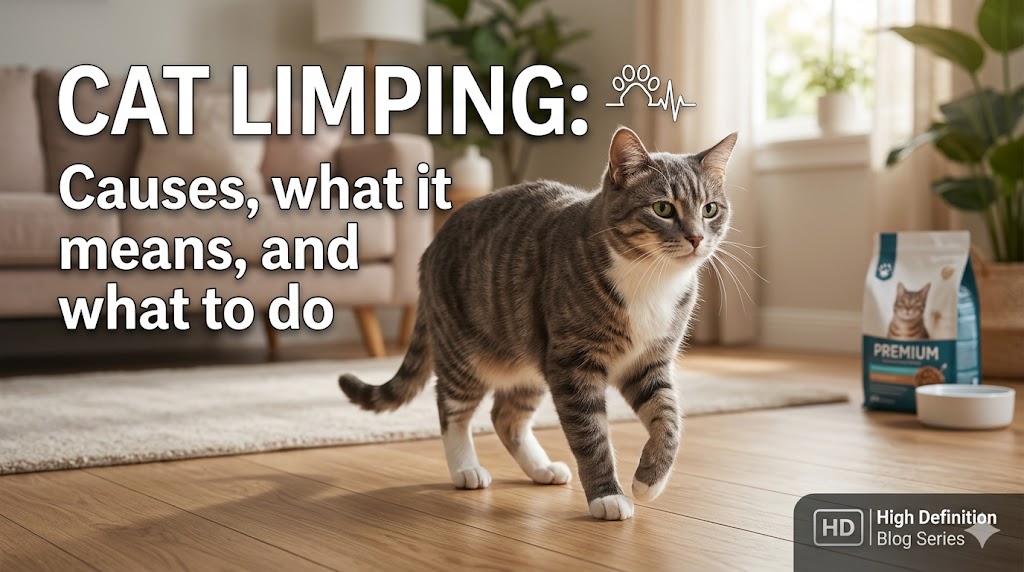
In cats, limping takes place when the cat fails to walk normally due to the fact that one leg cannot carry its weight because of various issues such as pain or injuries. Some cats limp continuously while others only limp whenever they engage in certain actions such as jumping. Also, cats will hide their pain from their owners. As such, limping is difficult to recognize at first because you need to observe their posture carefully.
Common Reasons for Cat Limps
There are various causes that could contribute to unexpected limping in a cat. Small cuts, minor wounds, muscle strain, and even paw irritation are quite common reasons for limping that may be temporary in nature. Furthermore, in some cases, fractures, joint diseases, infections, or even nerve problems may lead to limping as well and necessitate medical intervention. Outdoor cats, in particular, tend to run an extra risk since they can get involved in many different accidents, which can cause their limping to happen. Also, cats may sometimes suffer from swelling or even pain after surgery.
Injury and Foreign Objects in Paws
Injuring paws is among the most common reasons why cats start limping suddenly. Sometimes sharp objects such as thorns or splinters may get stuck into the paw pad when the cat steps outside. Moreover, there is always a possibility of burns in case a cat comes into contact with any burning surface. One characteristic symptom of paw injury includes a cat frequently licking its paw as well as avoiding standing on the injured leg.
Cuts, Wounds, and Bites
Feline pets that have experienced fights or any other kind of accident outdoors might suffer from wounds, cuts, or punctured skin making it hard to move freely and stay comfortable. Even minor cuts can get quickly contaminated as bacteria multiply underneath the injured area’s skin. Moreover, inflammation and soreness typically intensify during several days after receiving any injuries. People trying to figure out what steps to take when dealing with an open wound of cat should keep monitoring it for any sign of infection or severe bleeding.
Associated Symptoms in Limping Cats
The problem does not occur separately but is combined with many other symptoms revealing discomfort or even pain in cats. Pets start hiding more often, jumping lower, and sleeping excessively after being hurt. Swelling, open wounds, or unusual position of limbs are common accompanying signs when the animal experiences mobility issues. Sometimes cats cry loudly or react aggressively when being touched as a consequence of suffering from pain. Recognizing all of these signs in time is important for understanding the true severity of the problem.
Sprains, Strains, and Muscular Problems
Cats engaged in exercise could get sprains or strains from sudden jumping or falls. Such conditions could lead to limping without any signs of physical trauma or broken bones that are apparent visually. Furthermore, over-exercising could be harmful to overweight or old animals due to irritation of the joints and muscles. Small injuries usually heal within days if the cat is rested and less active. Nevertheless, any prolonged limping requires a visit to the vet, since it indicates serious problems inside the animal. Keeping your pet away from climbing and playing could help recover faster.
Arthritis and Joint Conditions
Joint issues and diseases like arthritis are very common among older cats because they affect their mobility over time. Arthritis causes swelling of the joints, which becomes problematic when moving. As a result, the animals start limping. Besides, these conditions typically occur during winters and when a cat has been idle. It is important to pay attention since older cats are very good at hiding their pain. Routine check-ups would allow diagnosing such conditions in advance. Proper weight management would reduce strain on the joints.
How Can Cat Limping Be Diagnosed Properly
Physical examination together with various medical tests allow veterinarians to identify the causes of limping precisely. The specialists examine cats’ bones, joints, muscles, and even their paw pads in order to establish whether there is any damage or infection. At the same time, the use of X-rays allows the specialists to diagnose not only fractures but also arthritis and other issues that influence cats’ mobility negatively. Blood tests can help identify infections or inflammatory conditions that result in pain experienced by the animal. Thus, diagnosing the exact reason for limping in cats will allow the specialists to develop effective treatment programs.
Bone Fractures as a Medical Problem
Broken bones indicate rather serious conditions in the life of animals since such problems require immediate medical attention. It is possible to observe fractures of legs due to falls, automobile collisions, or any other kind of physical trauma. Moreover, leg fractures are usually characterized by swelling, significant pain, and complete unwillingness of cats to bear weight on the injured limb. At the same time, injured cats might become rather silent; thus, the owners have to pay much attention to their pets’ behavior.
Limping in Cats Post-Surgery
Cats may limp after various surgical operations due to pain, swelling, and limited movements during recovery. Moreover, some complications associated with stitches and infections may prolong recovery and cause discomfort to an animal. The appearance of a cat spay incision lump is another reason for monitoring possible swelling in a cat after surgery and paying close attention to veterinary guidelines. Restricting physical activities is crucial for avoiding further risks related to the development of severe infections. Ignoring the appearance of swelling, limping, and discharges in cats is highly dangerous and may lead to infection or other serious problems.
Treatment of Cat Limping Problems
A choice of treatment methods depends on a particular condition causing limping in cats. In most cases, such conditions can be improved using home treatment and careful monitoring of the condition. This includes providing rest to a pet, treating wounds, and restricting any movements that may harm its health. If the problem involves an infection or joint disease, a veterinarian will prescribe specific medications, including antibiotics and pain relief drugs. Surgery and splinting are two treatment options used for treating fractures among other diseases.
Home Care and Help for Recovery
Helpful home care has great effects on providing comfort while recovering from injuries or mobility problems. The cat owners must provide comfortable and quiet places for rest, easy access to food, water, and litter box facilities for their injured pets. Moreover, restricting access to stairs, climbing, and jumping prevents recurrence of injuries or aggravation of the painful condition. Observing changes in feeding, behavior, and gait will enable owners to notice improvement or problems early on. Soft handling and avoiding stress are helpful for rapid recovery. Maintaining regular care practices promotes safety and ensures that the cats get well sooner.
Prevention of Traumas and Mobility Issues
Preventive care is crucial for the protection of cats against injuries and the development of joint diseases. Pets need to be kept away from potentially harmful objects, substances, and furnishings which can cause accidents. Besides, a proper body weight provides better joint health and less stress when moving. Indoor housing of animals is much safer in this regard since there is a higher chance of injuries if they run outdoors. Regular examinations performed by veterinarians are useful in diagnosing arthritis or other potential diseases.
Emergency Situations When Cat Limping Needs Veterinary Help
There are several symptoms that indicate an emergency situation requiring immediate veterinary examination due to high risks of increasing an injury. These include cats’ inability to stand on their legs, whimpering in pain, or bone deformations. Moreover, bleeding, intense swelling, and even paralysis must be taken seriously and handled immediately without trying to treat the pet at home. If limping is combined with breathing difficulties or collapse, owners are advised to turn to an emergency clinic too since this will positively affect the overall condition’s treatment. Immediate reaction increases the probability of recovery tremendously.
Conclusion
A range of factors and issues may cause limping in cats, from minor irritation of a paw up to medical problems related to bones, joints, or muscles. It becomes possible to react appropriately to limping thanks to knowledge about possible causes and symptoms, as well as treatment methods available. Prompt professional help has positive effects not only on the effectiveness of therapy but also on pain management and reduction of complications. Correct care at home, preventive measures, and regular checkups are important aspects that can ensure healthy mobility of cats.