Blog
Making Biscuits Cat: Everything You Should Know in 2026

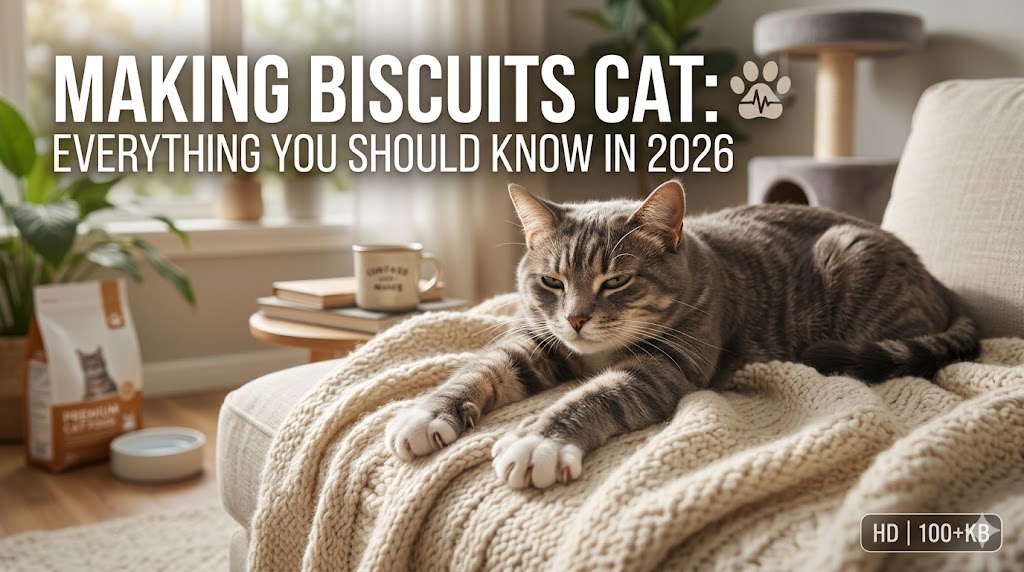
Many cat owners observe their felines engaging in the cute behavior of pushing paws against blankets, pillows, or people. The activity closely resembles dough-kneading, hence why many refer to this cute cat behavior as “making biscuits.” Making biscuits cat behavior offers owners an understanding of emotions that cats communicate through body language, comfort activities, and feline instincts. Besides, making biscuits might indicate the sense of relaxation, safety, and affection felt by cats. Even though this cute cat behavior seems innocent and relaxing, learning about the reasons behind it is crucial for better understanding.
Why Do Cats Knead?
Kneading refers to rhythmic movements of the paws, when the animal alternates between pressing his or her paws on soft surfaces. Usually, cats make this behavior accompanied by purring, some drooling, and relaxation. Also, many cats knead blankets, beds, pillows, and laps of their owners during the moments of relaxation. According to experts, kneading starts during the kitten period since young animals make such movements to make the mother cat produce milk. Later, this activity becomes part of adult life, too.
History of Making Biscuits Cat Behavior
It is natural for kittens to start kneading soon after their birth during nursing sessions. The activity causes the release of milk by stimulating the nipples. It also provides the kittens with a comforting experience through physical interaction. Young cats usually associate the kneading with warmth and comfort. Therefore, some cats retain the habit due to the comforting nature that lasts throughout their lives. Some cats also increase their kneading behavior during times of stress and affection. Exploring the history of making biscuits cat behavior makes it easier to understand the nature of the act.
Emotional Comfort
Many cats engage in kneading when they feel comfortable and emotionally secure in their environment. Comforting environments such as soft carpets and warm laps encourage the practice of kneading among most cats. In addition, cats tend to purr during kneading since the activity reminds them of comfortable emotions in their early stages. Some cats will even close their eyes when kneading as they feel completely at ease. Knowing the emotions linked to the act makes it possible to better interpret the feline’s body language.
Felines Mark Territory by Smelling
The cats have scent glands in their paws that produce odors when they keep kneading the area they consider home territory. The scent marks help cats feel comfortable as they knead surfaces such as blankets, beds, and even people to mark them as their territory. The cats use scent markings to ensure that they feel protected and secure as familiar smells make them comfortable. In most cases, cats add face-rubbing to scent marking in order to communicate more effectively with other animals around.
Most Commonly Observed Behavioral Signs When Making Biscuits
Some signs are commonly observed in cat behavior when they are engaging in kneading. These include purring, slow eye blinks, relaxing postures, and cat stretching. The kittens usually suck or nibble at blankets and soft materials during kneading as this helps them recall their infancy experiences. Cats engage in kneading behavior during bedtime preparation and cuddle time after petting. Therefore, it is vital to understand all signs of kneading behavior when trying to interpret feline behavior correctly.
Reasons for Cats Having Different Levels of Kneading Behavior
It is worth noting that not all cats show their kneading behavior on an equal level. First of all, different cat breeds are characterized by varied affectionate behavior and ability to express it physically. Second, kittens who leave their mothers at an early age usually continue kneading even when they grow up as this process brings them psychological peace and happiness. Finally, personality traits of cats make some animals more likely to knead things than others. Sometimes, such kneading happens due to stress in specific situations.
Kneading as Natural Way to Get Rid of Stress
Another reason why cats tend to perform kneading behavior regularly is associated with their efforts to relieve stress. This technique can be used as a natural way to calm one’s emotions. Besides, routine activities performed regularly are known to bring certain relief during stressful moments. When people try to understand how do i tame a feral cat, they usually see that stressed out or newly adopted cats start kneading as a method of relieving their anxiety.
Unexpected Facts Concerning Cat Behavior During Making Biscuits
Several interesting facts regarding the behavior of cats while making biscuits have emerged besides showing love. Cats usually only knead on certain fabrics that remind them of their mothers because the textures are more similar to those of their childhoods. Older cats still perform kneading despite becoming too old to be able to move quickly. The act is accompanied by excessive drooling in some cats because the act releases emotions that are strongly associated with their infancy experiences. Gaining knowledge concerning unique facts about making biscuits cat behavior makes people learn more about their pets.
Does Kneading Require Concern Among Owners?
Kneading is considered a natural behavior that poses no threat to cat health. In rare cases, however, excessive kneading accompanied by anxiety, hair loss, and constant licking suggests possible emotional issues or health problems that should be resolved immediately. Sharp claws may lead to scratch marks on owners’ skin, especially during intense moments of kneading. Getting the claws regularly trimmed reduces pain experienced and prevents destruction of furniture and other household items. The involvement of veterinarians in case of unusual behavior change can be beneficial.
Ways to Promote Kneading Behavior
Owners can promote kneading through creating comfortable spots for their pets to rest and relax. Soft and fluffy bedding materials can help achieve this goal, as many cats find such elements appealing. Positive reinforcement can be used when a pet kneads during interaction. In addition, scratching posts can provide an alternative outlet for claws, protecting house items and promoting healthiness of paws. Many cats have individual preferences concerning the texture of bedding; hence, different materials should be provided until a suitable one is found. The described measures will benefit both the pet and owner by enhancing the emotional bond and providing a healthier environment.
Unusual Behaviors Connected with Kneading Cats
In addition to kneading, cats may exhibit some unusual behaviors on a regular basis. These include circling around when settling down or carrying toys when looking for a good spot to sleep. Owners might also consider the question, “Why do cats put their paws in water bowl?” The answer is likely related to felines’ nature. Understanding such behavior is useful to owners since it helps comprehend cats better, without making wrong assumptions.
Kneading as a sign of Social Bonding and Affection
Many times, the act of kneading is an indication of strong bonds between cats and their trusted people. Kneading on their owner’s lap can occur when they associate the owner with warmth, love, and relaxation. Moreover, making biscuits can be an occurrence when cats are being stroked by their owner. This is mainly because they are happy, relaxed, and content, which indicates emotional bonding with their loved ones. The other signs that indicate social bonding include slow blinking and purring. Understanding the language of affection improves relationship building between pets and their owners.
Long-Term Meaning of Making Biscuits Cat Behavior
In many cases, kneading in adulthood becomes a lifelong expression of emotional connection, safety, and comfort in cats. Normal kneading acts are often associated with emotional security, good relationships, and trust with their environment or their owners. Similarly, routine kneading indicates physical safety and emotional comfort for cats in their environments. Understanding the significance of making biscuits cat behavior is useful in recognizing the effects of emotional states on physical activities.
Conclusion
Kneading is one of the most distinctive and reassuring cat behaviors witnessed by cat owners all around the world. Despite the fact that kneading starts during the kitten’s period of life, many adult cats continue to do it as a way to receive both mental peace of mind and physical comfort. In addition, kneading can be interpreted as a result of showing love and affection, asserting territory or trying to relieve stress. Knowing about the meaning of this activity allows one to understand better the emotions of cats.