Blog
My Cat is Sneezing Explained: Tips, Facts, and Vet Insights

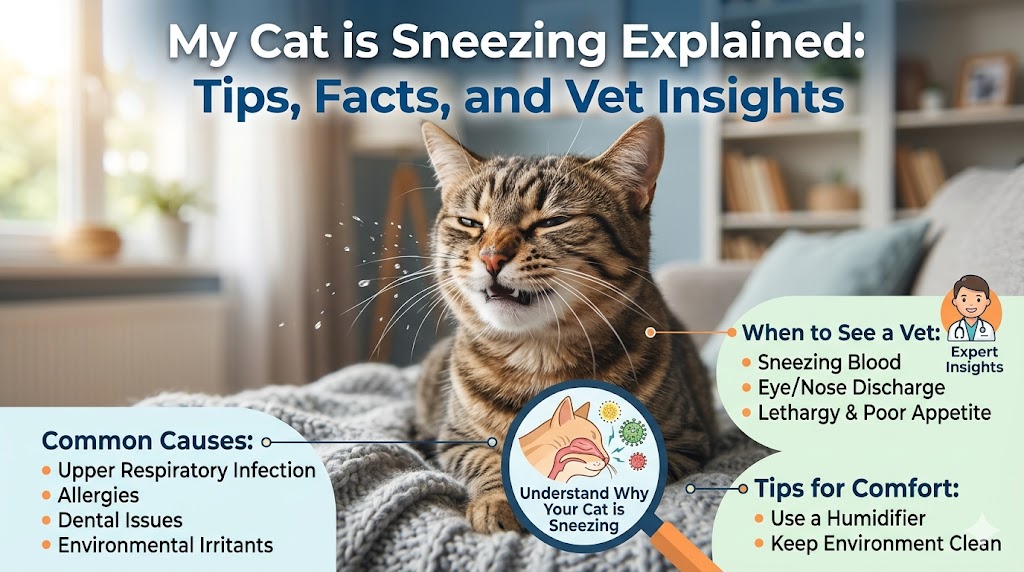
Cats often exhibit sneezing behavior, but sporadic sneezing should not cause any alarm. Nevertheless, frequent sneezing might point towards health issues in cats. Some of the main triggers behind sneezing in cats include allergies, infections, irritating elements, and dental disease. Thus, it is crucial to know the possible triggers behind sneezing behavior in cats to help owners identify cases where they should visit a vet or treat the situation on their own at home. Considering the fact that cats tend to conceal illnesses well, even slight respiratory complications must be considered carefully.
Is Sneezing Normal in Cats?
As a result of trying to expel particles such as dust or odor from their nasal cavities, sneezing is a normal cat behavior similar to people. A single or two times sneeze does not have to be associated with an illness and usually occurs after sniffing around dusty objects or unpleasant odors. Conversely, frequent sneezing that goes on for several days could mean that there is irritation or infection within the cat’s respiratory tract. In addition, sneezing accompanied by other symptoms should raise alarm bells.
Function of the Feline Respiratory System
Cats’ respiratory systems comprise the nose, throat, airway passages, and lungs, which cooperate to allow normal functioning of the process of breathing. Small hairs and mucus lining the passages of the nose help filter out dust, bacteria, and other irritating substances from entering more delicate air passages. Coughing serves as an involuntary mechanism, helping expel unnecessary debris trapped in the nose. Infections or inflammations of the nasal passages and throat can result in a significant disruption of the functioning of the respiratory system, causing the occurrence of constant sneezing, congestion, and difficulty breathing.
Upper Respiratory Infection
One of the major reasons for a cat developing sneezing is an upper respiratory infection. Such infections commonly infect the nose, throat, and eyes, spreading rapidly among other cats through the transfer of fluids and coughing. The most common symptoms of such illnesses are nasal discharge, watery eyes, fever, congestion, and lack of appetite. Younger cats and those from shelters or shelters are particularly vulnerable to such infections, as stress tends to weaken the immune system of the animal.
Feline Herpesvirus
Another common cause of sneezing among cats is feline herpesvirus. The highly contagious virus can trigger a wide range of chronic sneezing episodes along with other respiratory diseases. Feline herpesvirus becomes dormant after the first infection but can get reactivated due to various factors such as stress, disease, or other significant changes. Therefore, cats with herpesvirus infection experience repeated sneezing, watery eyes, runny noses, and even occasional fever. Although feline herpesvirus does not go away, the treatment makes it easier to cope with the problem and alleviate its symptoms. Thus, regular vaccinations and reducing stress levels help manage respiratory disease effectively.
Feline Calicivirus
Feline calicivirus is the next cause of sneezing that can appear in cats. The viral infection can affect the upper respiratory system of cats along with mouth ulcers while causing sneezing and nasal discharge. Cats with calicivirus also suffer from fever, excessive drooling, and appetite loss. In addition, the highly contagious virus can spread quickly in multi-cat settings and lead to outbreaks in animal shelters or rescue centers. Furthermore, some variants of the virus become extremely dangerous and can lead to joint and lung problems. Nevertheless, vaccinations can help reduce the impact of the disease.
Environmental Irritants and Allergies
Environmental irritants commonly cause sneezing fits in cats who have sensitive noses. The common irritants include dust, smoke, cleaning fluids, fragrances, and scents used in cat litter. As a result, a cat that is constantly around the mentioned substances tends to sneeze often, especially when exposed to irritating smells and air particles. Moreover, cats are known to have watery eyes or develop minor coughs along with sneezing. It should be noted that unlike viruses, environmental irritants typically disappear once the irritant ceases to exist. Therefore, it is essential to maintain clean indoor air and avoid any harsh chemicals.
Seasonal Allergies
While less common among felines compared to people, seasonal allergies can make cats sneeze a lot. For instance, cat owners will notice an increase in sneezing frequency in their pets when pollen, mold spores, and other allergens are abundant. The feline will also scratch excessively and experience eye wateriness. Outdoor cats usually suffer from such issues more than indoor animals due to increased contact with airborne allergens. In case you cannot differentiate between a respiratory infection and allergy, you should consult a vet to receive advice on how to relieve allergy symptoms.
Sneezing and Dental Disease
In some cases, sneezing is a symptom caused by dental disease in cats. This is due to the proximity of the root of upper teeth to the nasal cavity, meaning a dental infection can lead to inflammation or discharge. Thus, sneezing along with bad breath, dribbling, or difficulty eating are common symptoms for infected cats. In fact, since cats are good at hiding their dental pain, this problem is often overlooked until serious symptoms appear. It means that regular visits to a veterinarian are important for proper dental treatment.
Foreign Objects in Cats’ Noses
A cat can sometimes sneeze due to a foreign object stuck in the nose. Grass blade, dust, seeds, or plant material are some of the foreign materials that a cat might inhale accidentally. In such cases, sneezing or touching the face with the paw are frequent actions performed by the affected cat in an effort to eject the object. Other symptoms of a blocked nose include bloody discharge from one nostril only. Due to the risk of infection, foreign objects in noses require veterinary care.
Growths and Nasal Polyps
Nasal polyps are growths that form in a cat’s nose or pharynx area. This condition can partly obstruct the airflow causing a cat to snore or breathe through its mouth noisily. In addition, nasal polyps can cause head shaking and nasal discharge. Also, it should be noted that tumors and cancerous growths can lead to a similar result in cats’ aging process. In this regard, such conditions progress gradually, so owners do not pay much attention to subtle breathing problems. Thus, sneezing and other signs related to congestion should be diagnosed by veterinarians with the help of specific imaging techniques.
Immune System Issues and Stress
Sneezing might result from a poor functioning immune system caused by various factors. For instance, the stress associated with moving to another house, bringing new animals, living in noisy conditions or undergoing some routine changes can lead to illnesses. In this case, chronic stress can reactivate previously dormant viruses. Therefore, sneezing and other respiratory symptoms become evident during stressful periods. The importance of reducing stress in cats is obvious since it is vital for improving immune system performance.
Symptoms Requiring Immediate Treatment
Even though sneezing is not always considered dangerous, there are certain symptoms that need prompt medical attention. These include difficulty breathing, excessive tiredness, inability to consume food, and constant fever. Moreover, discharges of thick yellow and green color usually indicate infections which require treatment. Blood stains and facial swelling can be caused by injuries and even presence of tumors. Kittens and old cats suffer from this problem because they react to diseases of this nature more intensely. Thus, pet owners must contact their veterinarians whenever sneezing occurs along with these alarming symptoms.
How Veterinarians Diagnose Cat’s Sneezing Problem
At first, veterinarians examine cats’ noses and mouths and look into their eyes and check their overall respiratory system condition. Furthermore, they will conduct interviews concerning when the symptoms started, what environment did cats visit, how was their vaccine schedule, and whether there were any behavioral changes. Nasal swabs, tests of blood samples, X-rays, and imaging tests are some of the methods veterinarians use to diagnose problems. Lastly, they will also conduct examinations of pets’ mouths, as problems with teeth and gums can lead to this symptom.
Therapies for Cats with a Runny Nose
The method of therapy completely depends on the underlying cause of a runny nose in cats. In the case of viral infections, support therapy is required, which includes hydration and proper feeding. Bacterial infections may necessitate the use of medication prescribed by veterinarians. Moreover, allergy-associated problems can be managed using changes to the environment and irritation prevention measures. Sometimes, dental operations are needed in cases where tooth decay causes a cat to develop nasal symptoms. Individual treatment programs are highly effective, so following veterinary advice will speed up the recovery process.
Home Care for Runny Noses in Cats
Owners should help their pets feel better at home by applying some home care measures to facilitate their speedy recovery. Cleanliness of the surroundings plays an important role since it prevents irritation of the respiratory tract. The lack of smoke and perfumes is crucial to avoid irritating the respiratory system and making your cat feel unwell. Humidifiers can be used in order to ease congestion and make breathing comfortable. Fresh water and healthy meals are vital since hydration helps the immune system combat infection.
Preventing Respiratory Issues
The most effective prevention of sneezing and the risk of infection in cats is preventive medicine. Immunization allows for efficient protection against many viruses such as herpesvirus and calicivirus. Besides, regular visits to a veterinarian will ensure prompt identification of any issues that may arise without causing severe health consequences to cats. Clean indoor air and low levels of stress also play a role in preventing respiratory problems. It is important to isolate cats affected by contagious respiratory diseases from other pets. Thus, proper healthcare and constant monitoring allow for protecting pets from frequent respiratory infections and sneezing.
Conclusion
In conclusion, cat owners should be aware of both harmless and dangerous reasons for cat sneezing and respiratory issues. While occasional sneezing does not necessarily indicate the presence of a health issue, frequent sneezing requires closer examination. Many factors may cause sneezing episodes including different kinds of infections, various allergens, tooth problems, and irritants in the environment. However, proper monitoring and timely interventions usually allow for managing these issues successfully. Hence, close attention to sneezing in cats and regular visits to veterinarians will help prevent possible complications.